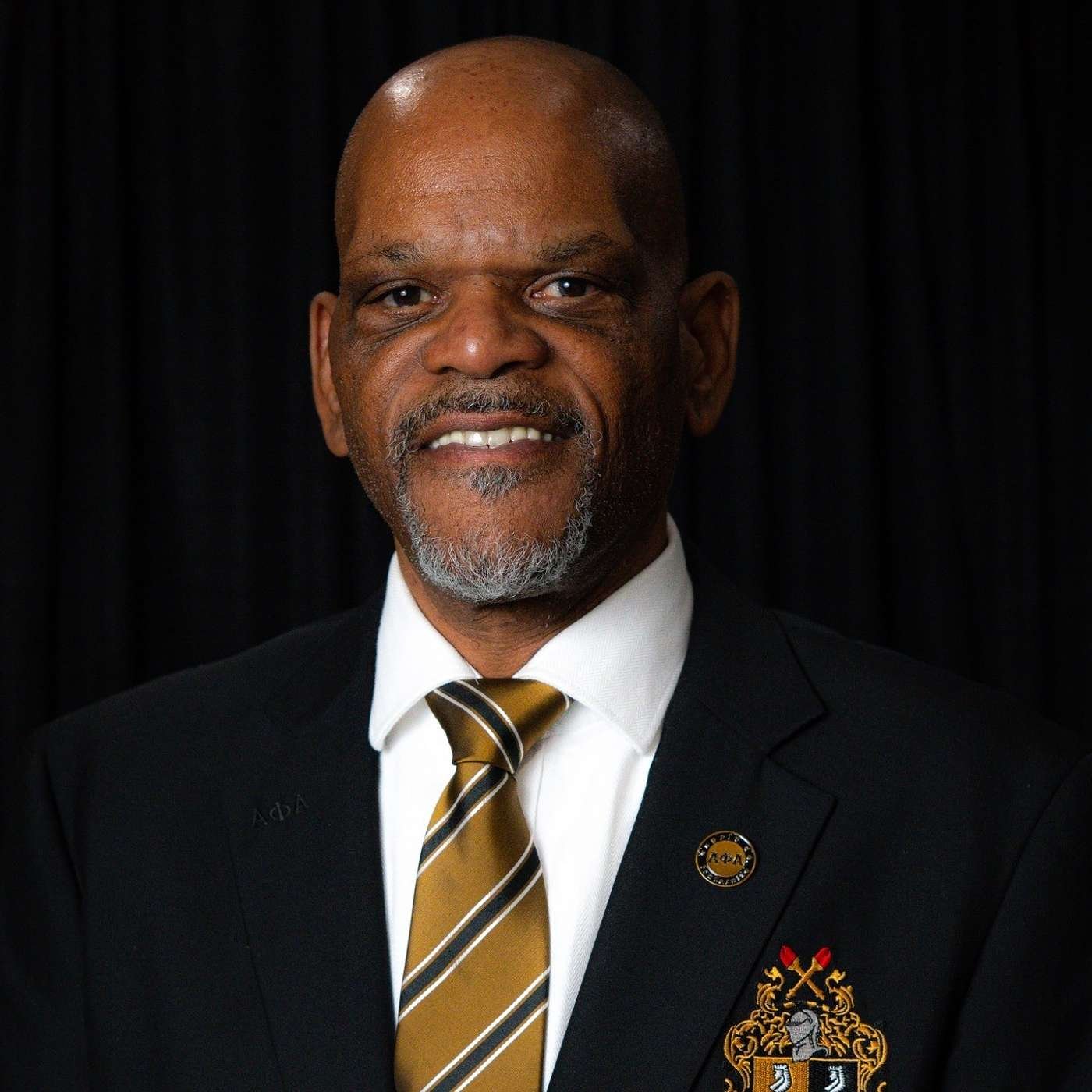
San Diego pays the second-highest electricity rates in the United States, trailing only Hawaii, and peak-hour pricing from 4 pm to 9 pm runs up to triple morning rates. In this episode, Tim Montague sits down with Rod Matthews, President of Brevian Energy, a North County San Diego developer focused on solar, battery storage, and community microgrids. Brevian works with Community Choice Aggregators to deliver behind-the-meter solar and storage at no upfront cost to commercial property owners. Tim and Rod cover the Clean Energy Alliance Solar Plus Battery program, a 25-year power purchase agreement with a 1% annual escalator and lease payments to the host site.
Here’s what you’ll learn in this conversation about California microgrids and community solar:
- You’ll learn how the Clean Energy Alliance Solar Plus Battery program gives commercial property owners with 15,000 square feet of rooftop or 25 carport spaces a 25-year power purchase agreement at a 1% annual escalator with no upfront cost. Property owners also receive lease payments escalating at 2% per year, outpacing energy cost increases.
- Learn about how California’s 4 pm to 9 pm peak window changes the math on storage. Rates during those hours run up to triple morning rates, so dispatching from the battery during peak makes projects pencil out in SDG&E territory, the second most expensive utility market in the US behind Hawaii.
- Understand how a closed landfill in Chollas View, San Diego, will host 10 megawatts of solar and 40 megawatt hours of lithium iron phosphate storage to serve 25,000 homes with at least 20% utility bill savings. Local residents become co-owners through a Special Purpose Vehicle for as little as $100 per share.
- Learn why community buy-in determines whether brownfield and microgrid projects move forward.
Energy prices are climbing as data center demand grows and natural gas prices spike on global tensions. California’s duck curve makes evening storage the limiting factor for further solar adoption. This episode shows a working model for solving both problems at commercial scale and at the community level.
Connect with Rod Matthews
Rod Matthews: https://www.linkedin.com/in/rodmatthews/
Brevian Energy: https://www.brevianenergy.com/
Connect with Tim
Clean Power Hour
Clean Power Hour on YouTube
Tim on Twitter
Tim on LinkedIn
Email tim@cleanpowerhour.com
Review Clean Power Hour on Apple Podcasts
The Clean Power Hour is produced by the Clean Power Consulting Group and created by Tim Montague. Contact us by email: CleanPowerHour@gmail.com
Corporate sponsors who share our mission to speed the energy transition are invited to check out https://www.cleanpowerhour.com/support/
The Clean Power Hour is brought to you by CPS America, maker of North America’s number one 3-phase string inverter, with over 6GW shipped in the US. With a focus on commercial and utility-scale solar and energy storage, the company partners with customers to provide unparalleled performance and service. The CPS America product lineup includes 3-phase string inverters from 25kW to 275kW, exceptional data communication and controls, and energy storage solutions designed for seamless integration with CPS America systems. Learn more at http://www.chintpowersystems.com
0:51
I think number one, which a lot of developers miss the boat on this, is getting community buy in, right? You're not just parachuting in from your ivory tower to come and make a profitable situation for this area. You are, you know, diligently and intentionally. You know, working with the community, letting them know that you know you're you're not just just there to make a profit, you're there to actually provide a benefit to them and work with them.
intro:
1:24
The clean energy industry is moving fast. The deals are getting bigger, the technology is evolving, and the stakes have never been higher. Welcome to the Clean Power Hour, the podcast for solar storage and micro grid professionals who want to stay ahead of it all each week, your host, Tim Montague, industry advisor and president of clean power Consulting Group, brings you unfiltered conversations with the leaders actually building the energy transition. Now here's your host, Tim Montague,
Tim Montague:
1:58
today on the Clean Power Hour micro grids. As my listeners know, I am very fond of micro grids. This involves a generator, a storage device, like a battery, some hardware so that you can isolate from the grid. And once you realize the power of micro grids, you really want them everywhere at the building level, at the community level, my guest today is Rod Matthews. He is the president of Brevian Energy in North County San Diego. I'm so pleased to have you on the show. Welcome Rod,
Rod Matthews:
2:32
thank you so much for having me. I'm, you know, honored to be a guest of such an esteemed program,
Tim Montague:
2:38
and thank you for your service. You're a Navy veteran. Really appreciate your service to our country. Rod, tell us a little bit about yourself and how you got interested in solar and micro grids.
Rod Matthews:
2:50
Well, first of all, as you mentioned, I spent nine years in the Navy. I'm from, originally from Shreveport, Louisiana. I joined the Navy at 18 years old. I became an electronics technician. I did nine years in the Navy. I got out with skills. I learned it skills while I was in the military, and when I got out, I started working in networking. So after about five or six years doing that, I kind of evolved with working in data centers, working with data centers, really trying to help them curb their carbon footprint. And that's when virtualization and things like that were really becoming more prevalent. And, you know, data centers were trying to get a curve on their energy spending. So I was introduced to micro grids. I was really intrigued by it, you know, as a tech, as a technical kind of person, seeing that you had the ability to not only save money, but also, you know, give resilience. And, you know, from the sustainability aspect, I think it was really, really big. So from that point, I took some training. Since I was, you know, a veteran, they had some classes that were available to us as veterans. So I joined a program that was at Arizona State University, the leaps program. It was a micro grid boot camp. I took some similar courses from University of Alaska, Fairbanks, and just, you know, some self taught things from that perspective. And I really kind of dove in deep. I had some, you know, relationships with some friends and, you know, colleagues who came from the energy industry. You know, one of my co founders spent a long, you know, 20 years in solar, and another one our co founders spent over 30 years in the nuclear power realm. And from there, we decided to form a company. And you know, we did that in 2019 right before covid, you know, the absolute perfect time to start a company, but we did that, and we've been going ever since.
Tim Montague:
4:57
In California, we have something called Community Choice aggregation, which is a little different than the aggregation that we see here in the Midwest, but you're working in a very niche market. Tell us about that you're working with a CCA and you have become a preferred vendor in what is a micro grid program incentivized by presumably, some legislation, but set the table for us. Rod, what is the landscape in there in Southern California, that has opened a door for brevian to become an expert in micro grids.
Rod Matthews:
5:39
Well, first I'll kind of dive into what CCAs or CCES, Community Choice aggregators or Community Choice energy providers, what they are and what. Really mean. So what they are are really, are municipalities, individual cities coming together, forming the joint power authority to them being responsible for the generation of the electricity. They're really two components of our electricity bill right now that we pay here in North San Diego County. We have what's called the Clean Energy Alliance, who represents those seven cities that have come together to form that joint power authority. They on your electricity bill, you'll see two components, SDG and E, or San Diego Gas and Electric is the investor owned utility in our market, so they are responsible for the transmission and distribution of the electricity. And the CEA, who is really a nonprofit, who works on behalf of the ratepayers in those seven cities, they are responsible for the generation of the electricity. So in most cases, right now, they go to the wholesale markets and they purchase, you know, they put future space on the electricity that you'll be using today that was purchased, you know, months ago. So that's how it worked. But now they are really trying to move more towards local generation, so don't have so much of the transmission and distribution that, you know, that SDG is responsible for, we want most of that generated locally. So they have come up developed a program for the commercial sector called solar plus battery, where, effectively, they're trying to implement as much storage as possible. Because here in California, you know, we adopted solar, you know, pretty, pretty readily. So, so during the daytime, we actually over produced. They have what's called a duck curve, where we over produce during the day, and we are, you know, starving for power at night. So we are trying to implement as much storage as possible. So with this program, commercial users that have over 15,000 square feet of, you know, rooftop space or 25 car spots available to do carport solar, they have the ability for no upfront cost whatsoever to receive, you know, solar and battery storage, and they can sign a 25 year power purchase agreement, effectively, like an agreement that they would get a predictable rate over the next 25 years. That only escalates at 1% and when you seeing things right now, with the natural gas prices spiking due to the Iran little controversy that we're having currently, you're going to see energy prices rising significantly over the next, you know, two to three years, you can see spikes, you know, 10 to 20% in the rates, where now we can make that rate predictable at 1% and I think the thing that makes it, you know, supercharges it. In effect, is, not only do you get an opportunity to save on your rate, get that predictable rate, and here in California, we have time of use for our pricing from our electricity company. So it really depends on the time you're using it, that correlates with the price you're charged. And we have what's called peak time between 4pm and 9pm you could be paying triple of what you pay at eight o'clock in the morning, per se. So we have the ability to shift the load during those peak times to the batteries, so you're not pulling from the grid, saving you even more money. And also, you receive a lease payment for the space that is you know, you provide to actually provide that generation for your own usage. So, I mean, it is a slam dunk, and we've, we've been identified as a premier and preferred vendor under this program with the Clean Energy Alliance by the program administrator, who is luminia.
Tim Montague:
10:06
What we're talking about is a form of third party ownership. The utility is owning the solar and batteries, installing that on a commercial industrial facility, and they're paying a lease payment, it sounds like, to the facility owner, and then guaranteeing some levelized cost or predictable cost of energy if I'm a if I'm a CNI customer, is that? Is that lease payment really the the juice in the deal? Or are there other savings that are passed on? You talked about energy arbitrage, for example, buy low, sell high. Which is, is a very powerful thing. When you have a battery, are those savings passed on to the customer as well, 100%
Rod Matthews:
11:52
like I said, they have the ability to, you know, adjust that so you're not pulling from the grid during your peak times. You also have the resilience factor, or at least save 20% of the capacity of the battery to, you know, go towards a resilience so you make sure that you're always up and running, and those savings are passed directly to the customer. You know, again, that predictable 1% escalator annually. And here's the thing, you get a 1% escalator on your energy cost, but you get a 2% escalator on your lease payment. So every year, annually, you get a 2% escalator on the lease payment that you receive. So even your incentives increase at a higher rate than your liabilities.
Tim Montague:
12:39
And when you're talking with facility owners the C suite, what are some of the questions that they have? You know, we energy professionals often think that these PPAs or energy service agreements are going to be a complete slam dunk, but there are many considerations that a facility owner has, do I want a solar array on my roof? Do I want a battery next to my facility? Walk us through some of the key decisions that that the stakeholders are making in order to say yay or nay.
Rod Matthews:
13:20
You know, really ironically, the first question that we get most of the time is, hey, well, then what's in it? For you, you know, you're giving me this with no upfront cost, you know, what do you get out of it? So for us, you know, as the developers, you know, we are actually selling the system to the Clean Energy Alliance, right? You know. So that's the incentive that we get. For me. Now for the Clean Energy Alliance, they are mandated by the PUC to have so much energy available to the rate payers, right? That's called Resource adequacy. So if they don't have enough energy allocated to support their grid, they get fines. So they are trying to keep as much generation behind the meter as possible and still implementing the storage to meet those demands that they have, particularly during peak times. So that's their incentive for doing it. And the rate payers, you know, again, you get that 1% escalator. You get the and one of the great things about it as well is it doesn't even their financials. Don't even factor into it. So it's not like they present their financials or anything. So it's, I mean, it's a total win. So it's a win all the way around. The the company wins by getting resilient, lower cost, predictable energy payments the CEA, they get less, you know, demand that's on the grid. And for luminia and companies like ours, you know, we make a profit by implementing these services. So it's a
Tim Montague:
15:07
win all around. Yeah, it really is a all around win. I, I want to just continue to shine a light for a moment, though, on the facility owner, see and I installers, you know, they these projects that they're developing, that you're developing, can often take years in many places. Now that the landscape is changing, as you mentioned, energy prices are going up, the the the rush of demand on the grid from data centers and electrification of transportation and everything, and now the war in Iran is a perfect storm. So energy prices are going up. They're going to go up even more, and that, and that is a motivating factor, right? That's the way that facility owners and consumers can fight back is by installing solar and batteries, because once you have the technology, photons are free. But what other considerations are you dealing with, with your facility owners and and is it, is your hit rate 100% or what? What can installers expect once you kind of have this framework that that the CCA and luminia have worked out?
Rod Matthews:
16:34
The biggest thing right now is for us, is like kind of educating the CNI owners of these particular properties of. Really what this program entails. A lot of times it can get a little bit confusing, because there have been so many, you know, scam type situations out there. So one of the things to have them realize that this is really an actual program by the Clean Energy Alliance to people that you pay your electricity bill to. So there's no third party. You don't pay a bill to somebody else. You pay the same bill that you've already been getting. So that's number one. Secondly, you know, we, you know, let them know that this really enhances as a business owner, particularly if you are owner of these multi tenant Office suites, you make your building now a much more attractive offering for potential tenants, so you know. But by having resilient power and they'll be paying less on their electricity bills, your property becomes more valuable. Again, there is the security aspect of it as well. So not only do your people save more money, but now you are less vulnerable or susceptible to interruptions on the power grid. So there's that. So there are so many advantages that you know they can benefit from. So we just have to educate them on what those are and how they can pass those on to their potential tenants, you know in the future. Yeah,
Tim Montague:
18:16
so in the greater scheme this, this luminia program, is that 100% of your work, or are you doing other CNI solar and battery projects?
Rod Matthews:
18:27
We're doing other projects as well. We really like to focus on the community aspect. We have a program that we have been diligently fighting for over the last couple of years here in San Diego, where we're looking to implement a community micro grid on a closed landfill. So we've been in talks with the city of San Diego, who currently handles that property, and some other community benefit organizations to try to make that project a reality as well. So that's really one of our passions, is working in community solar, trying to bring these technologies to communities that otherwise wouldn't really necessarily have the wherewithal or the resources to do it for themselves.
Tim Montague:
19:11
The Clean Power Hour is brought to you by CPS America, maker of North America's number one three phase string inverter with over 10 gigawatts shipped in the US. The CPS product lineup includes string inverters ranging from 25 kW to 350 kW, their flagship inverter, the CPS, 350 KW is designed to work with solar plants ranging from two megawatts to two gigawatts. CPS is the world's most bankable inverter brand, and is America's number one choice for solar plants, now offering solutions for commercial utility ESS and Balance of System Requirements. Go to Chintpowersystems.com or call 855-584-7168, to find out more cool, yeah, well, let's, let's talk about that brownfield project. I'm very interested in brownfield solar. My very first solar project that I walked was a Brownfield, a closed municipal landfill here in central Illinois. But what is the status of that project in you mentioned community micro grid. So you're going to put a solar array on a landfill. That makes perfect sense, right? There's a big piece of land that's available for a presumably ballasted solar array. But how does the community micro grid play out? Who are the benefactors of that project when it comes to fruition.
Rod Matthews:
20:44
Well, first of all, that area is that it's in the choice view area of San Diego, so it can service about 25,000 homes or so. Now we're looking to help them in those areas save at least 20% on their utility bills. And we also are implementing an, or was, I think it's pretty unique, is, you know, coming up with an SPV, or special purpose vehicle in charge of the program that lets the local people living in the neighborhood become a part of this. They actually become co owners of this. For as little as$100 they can buy shares into this, this SPD, which I think is a pretty unique thing, they get the opportunity to to say, where the money is distributed, how the profits. Are distributed. We look to provide the least, you know, some community benefit out of that as well. So we've been working pretty diligently, but organizations like San Diego, urban renewal, urban renewable society, and, you know, other such organizations to try to really kind of educate the public. We're working with some other partners. We have a partner out of Atlanta called mid flare, who's helping co develop this program that they are, you know, working to get the sign ups for the particular people in the in the area, so it's definitely a multi organizational effort, but it has been a labor of love. We've been engaging with the with the city, so we're really close now to getting the site lease from the city to, you know, make that happen
Tim Montague:
22:40
and tell us about the other elements of the project. This is a micro grid project, so there's a battery or what is the generator?
Rod Matthews:
22:51
So we're looking at, you know, battery storage, and there's some long duration battery storage, you know, combined with 10 megawatts of solar,
Tim Montague:
23:01
very cool. And do you know what kind of technology you think you'll use in terms of the battery,
Rod Matthews:
23:08
lithium ferrous phosphate,
Tim Montague:
23:10
okay, lithium iron phosphate, very cool, yes. And that's what like 100 megawatt hour battery, or how big is a battery?
Rod Matthews:
23:18
Oh, we're looking at 40 megawatt hours for the battery.
Tim Montague:
23:23
Okay? Yeah, this, this phenomenon of community micro grids. I'm curious. Since you're really in the weeds and you're you're dealing with the, the reality that there's quite a few stakeholders. You've got the city, which owns the land, you you're putting together this special purpose vehicle, a financial tool to own and operate the entity, and then you have to form agreements with other stakeholders who are going to be off takers for the power. What have you learned about this that you could share with my audience? And in particular, I'm keen on what does it take to make this happen in other places?
Rod Matthews:
24:17
I think number one, which a lot of developers missed the boat on this, is getting community buy in, right? You're not just parachuting in from your ivory tower to come and make a profitable situation for this area. You are, you know, diligently and intentionally. You know, working with the community, letting them know that you know you're you're not just just there to make a profit. You're there to actually provide a benefit to them and work with them, have them to be educated about what you're doing. You know, that's the biggest that's the first thing. And the biggest hurdle you can get past is having these organizations come out against you. You never win that way. But if you really, truly come at it with the intention of community benefit, how can we get the most benefit out of the community with this and then adjust your project to that you have a much better chance of winning?
Tim Montague:
25:17
And tell us about that like it sounds an on one level. Okay, you engage the community, but who is that? Who is the community? Who? Who? How do you engage with a community?
Rod Matthews:
25:34
Well, that's why we look to partner with what's called community benefit organizations, organizations that have boots on the ground, they have relationships with the people in the community. They have the trust of the people in the community. We look to partner with organizations like that, not even like the big national organizations, but I'm saying organizations that are specifically for those communities, because they have a lot of influence. They have a lot of people that are in those organizations, that have a lot of sway with people who live in those communities, and they they more accurately reflect the sentiments of the communities than some of these big national organizations. So I mean that that has really been a key strategy for us,
Tim Montague:
26:18
and in terms of the financial model for this project. How do you make the battery pencil? What is the key to making the battery? Obviously, the battery allows for the micro grid to be a thing, and and that gives resiliency. And I love that. I. Element, but the battery is relatively expensive on the front end, and so yes, you have expensive power. You're doing energy arbitrage. But I'm just curious, like, what else do we need to know to understand how this how this works,
Rod Matthews:
27:01
again, here in California and all of our investor owned utilities, we have that time of use element that 4pm to 9pm I mean, that's a game changer to be able to provide. You know, power during that particular time frame is worth a lot more. It gets considerably more valuable just as a person generating electricity and getting paid from it, you receive a lot more money during those particular times. So that's really what makes everything pencil out, is that exorbitant amount of money that we have to pay here in California, really, here in SDG and E territory, San Diego, gas, electric, we have the second highest utility cost in the entire country, only second to Hawaii, who has the import all of their electricity. So for us, just that that four to nine or that peak time to be able to generate your own electricity and not pull from the grid pencils everything.
Tim Montague:
28:02
Yeah, you can imagine, my listeners are very familiar with community solar. You know, we have community solar in the mid Atlantic, in New Jersey, in the northeast, in New York and Massachusetts, and then here in the Midwest, in Minnesota and Illinois, and then there's pilots in New Mexico. So community solar is happening, but that solar ray shuts down at four o'clock or five o'clock when the sun goes down. And so having a battery, and, you know, a sizable battery, right, that can then become the grid, is is very useful.
Rod Matthews:
28:40
You know, we have, like a little running joke for us to say we love micro grids because we believe that we should have power at night.
Tim Montague:
28:49
Yeah, exactly.
Rod Matthews:
28:52
We should just be limited to power in the daytime.
Tim Montague:
28:55
And then is this? Is this with the same utility or a different utility?
Rod Matthews:
29:01
This is with SDG is the is the investor owned utility in our county, in San Diego County, and a little few parts of Orange County as well, but it's with a different clean energy, excuse me, CCA, in North San Diego County, we have seven cities called the Clean Energy Alliance, and in San Diego, they have five cities much larger, but they are San Diego community power.
Tim Montague:
29:31
Okay, cool. Well, what else should we know about brevian energy? I really, I'm just thrilled to have met you, and would love to stay in touch. What else should our listeners know about your work, that you're excited about, challenges, that you're overcoming, opportunities that you're taking advantage of? What else should we know
Rod Matthews:
29:53
well right now, again, you know, we're working with this program, with the Clean Energy Alliance in North San Diego County. It's really the first of its kind, where everyone benefits, there's no upfront cost, there's no credit check for the customer. Long as you qualify, you produce, you consume a certain amount of power annually, you can get these services that will reduce your ultimate cost and actually generate lease payments for you, which I think is a game changer. So we're really just now getting that program implemented for us. It's more of an education process to make the customers, the CNI customers, aware that this program exists and that it is real, and educate them about the potential benefits of it. So that part is really exciting to me, because I know I love, I'm a teacher by nature. I think, you know, I may have been a teacher, you know, except they don't get paid enough. But I love to, you know, educate people and talk to people. And it's given me that opportunity. So it gives me a chance to exercise a few of my passions together. And I, you know, I'm always a bit committed to helping others, so as long as I can do that, educate, help others, and, you know, generate a little income for myself to at least pay my bills, I'm always happy.
Tim Montague:
31:22
Hey, guys, are you a residential solar installer doing light commercial but wanting to scale into large C&I solar? I'm Tim Montague. I've developed over 150 megawatts of commercial solar, and I've solved the problem that you're having you don't know what tools and technologies you need in order to. Successfully close 100 KW to megawatt scale projects. I've developed a commercial solar accelerator to help installers exactly like you. Just go to cleanpowerhour.com click on strategy and book a call today. It's totally free with no obligation. Thanks for being a listener. I really appreciate you listening to the pod. And I'm Tim Montague, let's grow solar and storage. Go to clean power hour and click strategy today. Thanks so much cool. Well, check out all of our content at cleanpowerhour.com. Please tell a friend about the show. That's the best thing you can do to help others find this content. We'll put a link to brevity energy in the show notes. But rod, how else can our listeners find you?
Rod Matthews:
32:31
Of course, you can always reach us from our website at brevian. That's b, r, e, v, as in Victor, I, a N as in Nancy. Energy, com, you could check us out see what we have to offer there. You can always reach us at sales at brevian Energy com, and you can always reach me directly at my phone number is 760-925-5500, always pick up. So don't hesitate to call. Reach out if you have any questions, or if we can be of any service in any way.
Tim Montague:
33:08
Thank you so much. Rod Matthews, president of brevian energy. And if you are listening to this and have ideas for other micro grid related stories, please reach out to me. I am writing a book called Wired for resilience, the battery and micro grid playbook. So please reach out to me if you have good stories about micro grids happening across the US or across the world. With that, I'll say, I'm Tim Montague. Let's grow solar and batteries. Thank you so much. Rod. Thank you.