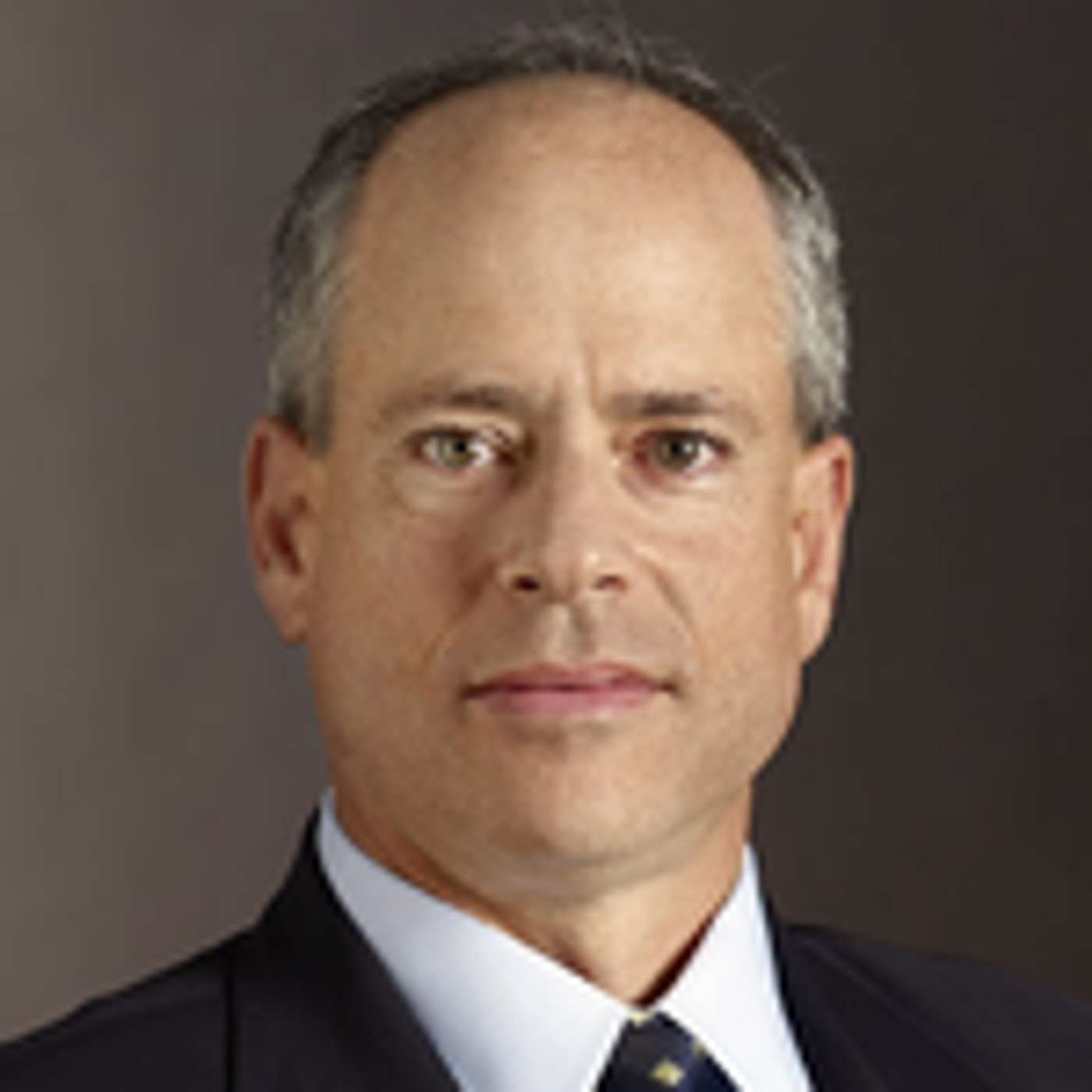
Community microgrids and virtual power plants are two of the most misunderstood concepts in clean energy, and the gap between them is where billions of dollars in grid value are being left on the table. Craig Lewis, Founder and CEO of the Clean Coalition, returns to The Clean Power Hour to break down how community-scale microgrids and VPPs actually work, where the money is, and why the current policy window in California matters to every energy professional in the country.
California’s Microgrid Incentive Program funds up to $18 million per community microgrid project, covering 100% of upfront costs for front-of-meter solar and storage, grid upgrades, and interconnection. Craig explains the Clean Coalition’s methodology for sizing solar and storage, calculating the minimum state of charge required for resilience, and building a value stack through wholesale markets, bilateral agreements with load-serving entities, and PURPA qualified facility status.
Here is what you will learn in this conversation about community microgrids and virtual power plants:
You will learn the difference between reliability and resilience, and why designing for resilience automatically gives you reliability, but not the other way around.
Find out how California’s Microgrid Incentive Program works, what the $18 million funding breakdown covers, and why the program is competitive enough that most applicants need deep grid analysis expertise to win.
Understand the three ways to build a value stack for front-of-meter solar and storage assets: wholesale markets through CAISO, bilateral agreements with load-serving entities, and PURPA qualified facility status.
You will hear why transmission costs, not energy prices, are the fastest-growing component of electricity bills in California, and how distributed energy resources close to load are the only structural fix.
Learn how the Clean Coalition’s VOR123 methodology tiers loads and facilities into critical, priority, and discretionary categories, and why tier-one facilities like hospitals and fire stations should be funded through public dollars.
California’s Microgrid Incentive Program is active and awarding projects now, with roughly 30 community microgrids expected to be funded as proof-of-concept demonstrations. At the same time, transmission costs continue rising with no policy mechanism anywhere in the US that compensates for provisioning energy resilience. For solar and storage professionals and clean energy investors, the window to build expertise in community microgrid development and front-of-meter value stacks is open today.
Connect with Craig Lewis
LinkedIn: https://www.linkedin.com/in/craig-lewis-81b0521/
Website: https://clean-coalition.org/
Connect with Tim
Clean Power Hour
Clean Power Hour on YouTube
Tim on Twitter
Tim on LinkedIn
Email tim@cleanpowerhour.com
Review Clean Power Hour on Apple Podcasts
The Clean Power Hour is produced by the Clean Power Consulting Group and created by Tim Montague. Contact us by email: CleanPowerHour@gmail.com
Corporate sponsors who share our mission to speed the energy transition are invited to check out https://www.cleanpowerhour.com/support/
The Clean Power Hour is brought to you by CPS America, maker of North America’s number one 3-phase string inverter, with over 6GW shipped in the US. With a focus on commercial and utility-scale solar and energy storage, the company partners with customers to provide unparalleled performance and service. The CPS America product lineup includes 3-phase string inverters from 25kW to 275kW, exceptional data communication and controls, and energy storage solutions designed for seamless integration with CPS America systems. Learn more at http://www.chintpowersystems.com
0:50
Right away, when you come over the transmission grid, you're losing 12% of your energy. That's between line losses and congestion losses, right? The average in California is 12% of the of the energy that you interconnect in the middle of nowhere is going to be lost by the time you actually get it to a customer meter. So that's an inherent disadvantage that that that remote energy has you're also dependent on a transmission line, which means that you have to build a transmission line or upgrade a transmission line if it's not sufficient to bring that energy to where you need it. And right now the costs are going through the roof for electricity. I think everybody knows that. And what's driving it is transmission costs.
intro:
1:30
The clean energy industry is moving fast. The deals are getting bigger. The technology is evolving, and the stakes have never been higher. Welcome to the Clean Power Hour, the podcast for solar storage and microgrid professionals who want to stay ahead of it all. Each week, your host, Tim Montague, industry advisor and President of Clean Power Consulting Group brings you unfiltered conversations with the leaders actually building the energy transition. Now, here's your host, Tim Montague.
Tim Montague:
2:04
Today on the Clean Power Hour, virtual power plants and community scale microgrids. My guest today is returning guests. His name is Craig Lewis. He is the founder and CEO of a company called Clean Coalition. It is a nonprofit that is making huge waves in the community micro grid space. Welcome back to the show, Craig.
Craig Lewis:
2:27
Thank you very much, Tim. Pleasure to be here again.
Tim Montague:
2:31
Yes, and it's so fun. You and I don't get to talk enough. We obviously have a lot to talk about, and batteries are all the rage now. The cost of batteries has come down far enough that large scale deployment is happening on mass across the world. We're in the game. We're not a, we're not a leader in the United States, but we're in the game, and it's only going to get more and more important, and so my listeners, who are EPCs, developers, asset owners, energy professionals, they need to understand this, and as I said in the pre-show, what I want to try to bring to my listeners is the, the, the both sides of this, there's huge opportunity to deploy microgrids to design and build, own, operate micro grids from various perspectives, and there are barriers to entry. There are rules and regulations in this country that prevent us from installing micro grids at large scale that don't make a lot of sense, but they serve certain entities, and we want to figure out how to work with those rules, or change them, or go around them, ultimately. So, check out episode 160 if you're listening to this. That was my first interview with Craig Lewis, where we did kind of a big, very big picture. This is what the Clean Coalition is up to today. We're going to do a deeper dive into some of the nuances of microgrids, the value stack, and virtual power plants. So, Craig, real quick, though, give us a short bio on yourself and why you're so interested in community scale micro grids.
Craig Lewis:
4:15
I am a lifelong environmentalist, and I know that environmentalism doesn't really sell, and, and, but, but the environmental background and mindset is, is what really attracted me to the renewable energy space, and I was in the telecom industry for the first 15 years of my career, and got to ride the wireless telecommunications wave, worked for some big companies like Qualcomm and Ericsson, and worked for a few startups that you never heard of, and, but you know, worked in large and small organizations in the telecom industry, and did a lot of work on the corporate development, government relations side of all that, and the telecom industry is governed by the same same regulatory bodies, as, as is the energy industry, so I knew how that I knew how the policy action works in, in the energy space as well, and and so after working on Steve Wesley's gubernatorial campaign in California back in the 2006 election cycle, going back more than 20 years ago when I started working with Steve Wesley and put his energy policy platform together with the intention of getting those policies in place in California and then taking those policies out across the country and beyond, Steve is. Did not make it into the governor's seat, so I had to go to a plan B, which was to become a renewable energy project developer focused on local solar projects, and in my definition, local means within the distribution grid, not really worrying too much about which side of the meter it's on it, could be behind the meter, which is pretty traditional when people think about, you know, distributed energy. A lot of people, you know, take that to mean behind the meter, but it doesn't have to. Local for the Clean Coalition, and you know, for me personally, it means it's within the distribution grid, and that means you're close to where people live and work, as opposed to remote energy sources, which are out in the middle of nowhere and require long transmission lines to get from where the energy is generated to where you're going to use it. So I formed the Clean Coalition shortly after working for Steve West's gubernatorial campaign, putting this great policy platform together around clean local energy, essentially including transitioning to EVs and getting high energy efficiency measures in place, and converting the entire economy to renewable energy, and with a really high percentage, like 25% of the total energy mix coming from from local renewable energy, so local solar predominantly, and and so after after Steve didn't make it into the governor's seat, I became a renewable energy project developer, worked on a couple of dozen projects, got the very first solar project through the renewables portfolio standard process here in California. It was a small two megawatt size project, front of meter interconnected directly to the grid, and but then these projects were so hard to get done, because all the policy was tilted towards the way that projects had typically been done, like 99.9999% of all projects, which was out in the middle of nowhere, utilizing transmission infrastructure to get the energy from where it's generated, where you need it, which is the only place you need energy, is where people live and work, so I went to my wife and said, 'Hey, I want to form the Clean Coalition. And surprisingly, she said, 'That sounds great. You have this much, you have one year, and you have this much Lewis family money to stand up the Clean Coalition. And we made it by the skin on our teeth.
Tim Montague:
8:30
What year was that, that you got the coalition going,
Craig Lewis:
8:33
that was in January of 2009 So we're nearing the 2020 year mark, and 17
Tim Montague:
8:42
years in,
Craig Lewis:
8:43
and we amazingly, we got, we got, we got some funding from a big foundation that really allowed us to grow organically from there, you know. I, when I founded it, when I founded the Clinco Shin in January 2009 I brought on a couple of people to, you know, kind of get things really going, and it was burning, burning money pretty quickly. And we finally got a got an outside money to come in, and that was from the Rockefeller Brothers Fund. I am ever grateful to Rockefeller Brothers Fund for their support early on, and, and from that point we were able to grow organically and get other foundations to support us, and then also get consulting engagements and government grants for actual projects that the Clinical Commission was facilitating, so we've been able to self fund since, since they are be organically grow, and the Lewis family didn't have to put any more money in after after 2010 and and so the clean coalition is all about accelerating the transition to renewable energy and a modern grid, and the grid modernization is a really important piece of this, because you have to modernize the grid in order to get to renewable energy penetration levels that are above 4050, 60% that grid modernization really becomes a key element of continuing the transition to renewable energy, and the Clean Coalition is very focused on on local, so most of what we do, most of what the Clean Coalition does is focused within the distribution grid, both sides of the meter, behind the meter and front of meter within the distribution grid,
Tim Montague:
11:26
I think most of my listeners understand the micro grid concept, you know. We, so many things in our lives are micro grids, you know, in a way, right? Our cell phones are micro grids, they have about. Country, they use energy, are you know, buildings can be micro grids, communities can be micro grids, but VPPs are, are less clear, and I think perhaps it would be good for us to start there, and then bridge the gap, they're not mutually exclusive, and that's a complicating factor, you could have a micro grid that is participating in a VPP, but from your perspective, Craig, when you're explaining to energy professionals, not necessarily, you know, micro grid experts, but energy professionals, explain the VPP concept, and where are we in the evolution of of the VPP in America,
Craig Lewis:
12:29
so I like to begin with the difference between reliability and resilience, because this is how I think about the difference between a virtual power plant VPP and a microgrid, so reliability is all about maintaining the current situation. So, if the grid is up, reliability is about doing what you can to make sure that the grid stays up, right? It's maintaining the current situation or the desired situation, resilience is what you do when conditions change, because conditions will change, the grid does go down, and so resilience is about what you do in in reaction to change conditions to minimize the damage, and the, and so that's the difference for me between a virtual power plant and a micro grid. A virtual power plant is focused on maintaining the current situation, the grid up situation, and it's, it's, you know, virtual power plants are used to, to, to balance the grid and keep the grid up, and virtual power plants are the most cost-effective way to provide reliability. So virtual power plants are really super duper important. The the community micro grids are used to make sure that when the grid goes down, that certain sections of your grid, in the case of a community microgrid, that's focused on entire grid areas, or broader grid areas, not just single customers, so community microgrids, or solar-driven microgrids, which are microgrids at a single facility behind a single meter, so solar micro grids are behind the meter assets, community micro grids can be a mix of front of meter and behind the meter assets, and and and just micro grids in general are utilized to make sure that when the grid goes down that your damage is minimized, so you're keeping certain sections of the grid on, or you're keeping certain facilities on, or at the very least you're keeping your most critical loads at facilities on, or the most critical loads across a community area, a grid area on. Right, so that's that. Microgrids are all about delivering resilience, and, and I shouldn't say all about delivering resilience. Micro grids have the ability to deliver resilience. Virtual power plants have nothing to do about resilience, at least not yet. There's been no virtual power plants that have been designed to actually provide resilience during grid outages, that at least not that I'm aware of.
Tim Montague:
15:21
But couldn't you, couldn't the batteries in a micro grid. Let's just say it's a large, large community micro grid, you know. Pick, pick your, pick your community. You've had your fingers in, in, in several of these. Can't that battery simultaneously be part of a VPP? So it's, it's actively providing grid services, but then also switch and go into resiliency mode, and help the community isolate if there's a wider outage.
Craig Lewis:
15:52
Absolutely, and so you know that that's a super important point, Tim, that that if you design distributed energy resources to provide resilience, they automatically can be used to provide reliability. The opposite is not true. If you design distributed energy resources to provide reliability, they do not necessarily, I mean, unless you have to design them for resilience. If you design them for resilience, then you automatically get them for reliability as well. If you design them just for reliability, then you do not get any resilience. When the grid goes down, those assets turn off.
Tim Montague:
16:31
And is it safe to say that most of the virtual power plant batteries around the US are first and foremost for grid services, not for resiliency?
Craig Lewis:
16:42
Yeah, yes, yes, and you know, I think that's a good, good, good, you know, synonym, if you will, you know, grid services and reliability. I think, you know, generally speaking, grid services are designed to provide reliability, so we can use those, you know, exchange, we can interchange those terms, so yes, the virtual power plants are designed for grid services, and as far as I know, there are no grid services that compensate for resilience, so this is a big gap in the in the policy, and what we call what Clincolution refers to as policies and market mechanisms, so there are no policies that provide for market mechanisms that compensate for provisioning resilience. This is the big, it's the big problem that everybody's designing for just providing reliability grid services, as opposed to providing resilience as well, it's
Tim Montague:
17:44
kind of ironic, you know, because we've, we've, we've designed a grid that is very explicitly designed to have a very high uptime, and, and it does largely succeed at that, right, the outages in the United States are relatively few and far between, that being said, the outages are growing in, in scale and frequency as the weather gets more weird, and the weather is getting weird. We're having more intense storms, ice, these are winter storms, these are summer storms, and it's totally dependent on the geography, what, what what it is that takes the grid out in California. High winds can can force the utility to cause rolling blackouts or fires, right. And then in the, in the Midwest, here it's more like winter ice storms that are the real killer and are kicking our butt in places like Tennessee Valley, but, but those ut those same utilities have rules that prevent communities from pursuing micro grid sometimes, which is that's that's where the irony is, it's like we designed the system to serve us and yet it's also holding us back now, and some people, including myself, think that consumers and business owners will eventually just say, well, I'm just going to go off grid and defect from the from the grid, but where, where are we, I guess, in your mind in terms of making or laying the groundwork and making it feasible to pursue community scale micro grids,
Craig Lewis:
19:36
so the biggest opportunity that I am aware of in the United States for community micro grids is in California through the Micro Grid Incentive Program, so this is a program that's been stood up in California. It became an active program about two years ago, and it basically forces the three big investor-owned utilities in California to to to provide funding and to cooperate with entities that want to do community micro grids, and again, community micro grids are where you're dealing with multiple customers, multiple meters, and over in, you know, a grid area, which is electrically connected together, that's that's a fundamental rule of microgrids, is that everything has to be electrically attached, and in the case of when you do a community micro grid, since you're dealing with multiple meters, you inherently are dealing with the distribution grid as a section of the distribution grid, because the distribution grid is what connects multiple meters together in a utility service territory, and the community, the Micro Grid Incentive Program, referred to as the MIP in acronym form. The MIP is provides funding up to $18 million per project, and that's in the form of $14 million to pay for assets like solar and storage that are interconnected front of meter, so the MIP funds only pay for front of meter assets, and so up to $14 million for front of meter solar and storage, and then a $3 million allowance for grid upgrades, that's called the facilities allowance, and then $1 million to pay for interconnection costs, the studies, and the any upgrades that are specific to interconnecting those frontimeter assets to the grid. So,
Tim Montague:
21:41
can I ask a question? Again,
Craig Lewis:
21:42
sure,
Tim Montague:
21:43
because when you say front of the meter, I immediately go to a place of, well, that sounds risky, because you don't have a guaranteed off-taker. Is there a guarantee? Who is the off-taker if it's solar and batteries, and it's front of the meter, but it's, but it's a community scale project, so let's just say it's five megawatts of solar and 50 megawatt hours of batteries. How do you then go about finding the and creating the value stack for that?
Craig Lewis:
22:15
Yeah, so great question. The beautiful thing, well, let me start with the unfortunate thing, you know, in terms of how the policies and market mechanisms are structured today in California, and, and I think this is pretty representative of how policies and market mechanisms are structured around the United States, is that there is no compensation for resilience. I'm not aware of a single market mechanism that exists in the United States that compensates for providing resilience, as crazy as that is, given that resilience is increasingly necessary, and we see it. You can't open a paper nowadays without seeing some kind of disaster that struck someplace, and a large share of those disasters have, are you know, have great outages associated with them, so energy resilience is increasingly important, and, and you know, therefore this gap of not having a market mechanism to compensate for provisioning resilience, energy resilience is crazy, but there is no, there is no compensation mechanism, so the ways to get a value stack for front of meter assets, which specifically was your question, Tim, the pathways are to go to the wholesale markets, right, so this in California that would be trading through CAISO, and Kaiso has, you know, several market mechanisms that are eligible, you can trade energy with, with Kaiso, and you, that at a wholesale rate, so they're not a whole lot of, there's not a whole lot of margin there, when you're, when you're selling energy to Kaiso at a wholesale rate, the energy is going to be worth somewhere, kind of, you know, kind of within one standard deviation, the energy is going to be worth somewhere between like zero and 10 cents a kilowatt hour, depending on time of day, and, and what the grid conditions are at any given moment. So, there's wholesale, there is, there's also the ability to negotiate a bilateral agreement with a load serving entity, which load serving entities are in California. Those are either utilities or they are community choice aggregators or they are direct access providers. So any of those three, any type of load serving entity could be a direct off taker.
Tim Montague:
24:41
What is a direct access partner, what is that?
Craig Lewis:
24:44
A direct access partner is similar to a community choice aggregator in the sense that they are only selling the energy slice of a retail electricity rate, and it's just it's just a private entity, as opposed to a CCA as a public entity, and is usually comprised of a county or sometimes multiple counties, and then a lot of times the cities within those counties, so the bunch of municipalities cobbled together to form CCAs, and in the case of a direct access provider, it's a private entity that is sourcing electricity and then is just going into contractual arrangements to provision that energy, the energy piece of the electricity bill to various off-takers, and usually those off-takers would be really large entities. A lot of times universities are direct access customers, so they've found that to be the most cost-effective way to provision their energy piece of their electricity bills, so just, just to kind of complete my thought here, because there was one more, there's three, three ways that you can, you can interact, you can have, you can, you can sell your, your, your, your, your, your energy and your good services, one is through wholesale markets, so in California, that's through California, California Independent Systems Operator, CAISO, as it's known. In, you can also have bilateral agreement, just to, you know, kind of get, you know, it's just an individual private contract between two entities, bilateral contract with a load serving entity, and and then the third way is you can sell your energy through, through as a qualified facility, and this is anywhere in the country, it's through PERPA, and I forget exactly what the PERPA acronym stands for, P U R P A, but Purpa has. This construct of qualified facility, so you can get yourself in a fairly straightforward process, you can get yourself qualified as a designated as a qualified facility, and then you can, you automatically, it's like it's like a feed-in tariff, you can, you, the utility at that location has to buy your energy, and and so you can go through a QF process and become a qualified facility, which is known as a, which referred to often as a QF, and you can, you now have an automatic off-taker through basically the PERPA feed-in tariff, and
Tim Montague:
27:19
ostensibly these are all at wholesale, right, all three of these are wholesale rates,
Craig Lewis:
27:25
they are. Yes, they are now. Well, the nice thing about going with the nice thing about the QF is that it's just automatic, right? It's like the utility has to take it, so you, you know what your worst-case backstop is. It's, you know, you get yourself certified as a QF, and then you've got a built-in customer that has to take your energy, that's energy only sale, so you're not going to be able to then monetize the the the other grid services that could come about through one of the other two mechanisms by going through the wholesale markets like through Kaiso or through a bilateral agreement with a with a with a load serving entity, those would allow you to negotiate energy plus grid services. Okay, and in the case of wholesale, you're not negotiating a long term contract, you're just trading in the markets that are there, and wholesale markets include both energy markets and grid services markets, things like vault frequency regulation, you can, you can, you know, help make, you know, help balance the frequency. Those market mechanisms exist in California, and I think in many other markets across the country.
Tim Montague:
28:40
So, so let's talk about San Diego County, because you mentioned Laminia in the, in the pre-show, and I recently had Rod Wall, Rod Matthews, the president of Brevian Energy, a company in North County, San Diego, that's developing large C&I, what I describe as C&I micro grids, but, but it sounds like they're leveraging he's working with Luminia, and Luminia is working with a community choice aggregator, so assets are getting developed at no cost to the host, and but the host is benefiting in some ways, and I don't fully understand how is this, is this not the front of the meter aspect of of what's going on in California,
Craig Lewis:
29:43
so first let me just say Luminia is a tremendous company, and the Clean Coalition has had really great experiences working with them, and they're based in San Diego, they've got offtake agreements, contractual agreements with both San Diego Community Power, and with Community Energy Authority, CEA, and those are the two CCAs that are relevant within San Diego County. So I believe that they have over 100 megawatts of battery, just strictly battery agreements, and they can tax all around with it as well, but just from the battery capacity, they've got 100 megawatts of distributed battery capacity contracts between those two, between those two CCAs, SDCP and and CEA and the and so they are actively deploying sites where smaller chunks of batteries and smaller meaning they're probably going down to you know somewhere between one and five megawatts on the small side and then they could go up to well I think they could probably do you know 20 maybe 50 megawatts on the high side, if they wanted to, but they're really focused on the smaller battery projects and getting those distributed around the service territory to provide the most value to the grid, getting those, getting those that those grid services, the grid services infrastructure, the ability to provide grid services distributed around San Diego County, the so they have a tremendous amount of capacity under contract with the two CCAs, they they can interconnect those on either side of the meter, behind the meter or in front of the meter and. They also have solar micro grid, a solar micro grid program that is really interesting to bring behind the meter solar and storage to the CCA service territories in a manner that will provide direct benefits to like the value stack gets much richer when you go behind the meter, because now you can offset the transmission distribution costs, and that's the only way to escape transmission distribution costs, is to go behind the meter, at least in an investor-owned utility service territory. If you go to a municipal utility service territory, if they are structured properly, you can avoid the transmission costs by by provisioning the energy within the distribution grid, but in the investor-owned utility service territories, because the of the of the kind of criminal way that the transmission costs are metered and assessed in investor-owned utility service territories in California. It is the transmission costs are metered and assessed at the customer meter. When you meter and assess at the customer meter, you have no way to discern whether the energy was was was generated on the rooftop next door or whether it was 1000 miles away, you know, coming over, you know, 1000 miles of transmission grid, which obviously, when you're 1000 miles away, you're using the transmission grid, you should pay transmission access charges, which are the charges that are used to pay for the transmission system, but when you're getting your electricity from the solar rooftop next door, you should not be paying for transmission costs, so that's a really big policy fix. I know I'm going a little off, little tangential to your question. I'll come back to it, but the, but you know, this is a really important policy mechanism, or policy innovation that needs to happen. Is we need to change the way that that that that transmission costs are metered and assessed in California, such that it is consistent across all utility service territories, in the 75% of the California that is served by the investor-owned utilities, it is done wrong. It is done at the customer meter, that is the wrong place to meter and assess for transmission costs. It is done correctly in a good chunk of the 25% of the California electricity market that is served by municipal utilities like LA DWP and Sacramento Municipal Utility District. Those are number three and four in terms of the biggest utilities in California, and they are able to balance their own service territory and only trade with CAISO at the transmission and distribution interface, and, and so those those municipal utilities can't, when they get clean local energy, when within the distribution grid, they avoid their transmission costs, which are somewhere in the order of seven to eight cents a kilowatt hour at wholesale in the San Diego market, so in SDG, any service territory, transmission access charges today are seven to eight cents a kilowatt hour, and that's wholesale rate. So, when that gets translated onto an electricity bill for delivery charges, that translates into probably twice that, right? We're talking about somewhere in like the 15 cents range of what transmission costs are being heaped onto San Diego SDG-E customers, whether they get their energy from San Diego Gas and Electric, or whether they get it from a CCA or direct access provider. There's no way to escape the transmission costs in California in investor-owned utility service territory, unless you go behind the meter, so anyway, that you were kind of asking, is it behind the meter, front of meter? What Luminia is doing in San Diego is both sides of the meter, they're they're somewhat indifferent, they have, they have a program specifically for behind the meter solar, solar and storage, and and those are in those CCA service territories where those programs exist, and then they also are doing significant deployments front of meter as well, and so you know the way to get your value stack is different whether you go behind the meter or front of meter, but there's a way to get there so that it's, you know, economically attractive in either case, whether it's front of meter or behind the meter.
Tim Montague:
36:09
Okay, now this, this legislation in California, it's the Micro Grid Incentive Program, is that what it's called?
Craig Lewis:
36:19
Yes, that is the, it is a program to provide essentially grant dollars for community micro grids to come into being, and, and, and it's 100% the grant dollars could pay for 100% so you don't actually have to be so worried about the value stack, because the value stack that you do get for then selling your energy to the grid. Or to an LSE or through a QF to the utility, you, you don't have to worry, it's
Tim Montague:
36:49
all gravy,
Craig Lewis:
36:51
it's all, it's all gravy. Now, now, the microgrid incentive program pays for all of the 100% of the upfront costs, it does not pay for the operations and maintenance costs, so now the trading with the market is what's going to basically cover for the operations and maintenance costs,
Tim Montague:
37:11
and is there are there enough dollars in that program to open the floodgates and allow lots and lots of micro grids to be developed in California?
Craig Lewis:
37:21
No, no, I think that there's there's probably going to be something like 30 community micro grids that will be that will be, you know, brought into being through the myth, the these are kind of proof of concept demonstration projects, and and to start helping policymakers understand the value of resilience, in addition to all the other benefits that clean local energy could provide, and, and so you know the way to think about the MIP is, is it's providing grants to really start to assess the value of resilience that can only be achieved from from distributed energy resources, as soon as you get energy from afar, you are inherently not resilient, because you are dependent on a very long supply line, right, also known as a transmission line, that is, any, any supply line, any long supply line is inherently not resilient.
Tim Montague:
38:20
Well, even a short supply line is is problematic if you don't have a community scale micro grid. I'm not sure where to go from here. Do you have some thoughts on where we should, where we should take this?
Craig Lewis:
38:37
Yeah, I think that the vision here is really, you know, the Clean Coalition's vision is based on distributed energy resources, and the fact that they provide an unparalleled trifecta of economic, environmental, and resilience benefits. If I just take that on economic right away, when you come over the transmission grid, you're losing 12% of your energy, that's between line losses and congestion losses, right? The average in California is 12% of the of the energy that you interconnect in the middle of nowhere is going to be lost by the time you actually get it to a customer meter, so that's an inherent disadvantage that that that remote energy has. You're also dependent on a transmission line, which means that you have to build a transmission line or upgrade a transmission line if it's not sufficient to bring that energy to where you need it, and right now the costs are going through the roof for electricity. I think everybody knows that, and what's driving it is transmission costs. The cost of transmission, when utilities say, oh, this is going to be a billion dollars to upgrade this transmission line, or whatever, that's just the upfront cost when you take into account the operations and maintenance and the return on investment that is that is given to transmission investments, which is 12% return on equity, that's what's that's what's that's what's awarded by FERC, that's that's a federal, that's out of the state sands, that's that's a federal energy regulatory commission return on on on investment that's given to transmission investments, it's a guaranteed rate, rate of return, 12% return on equity, and and when you take that into account, along with the operations and maintenance costs of transmission infrastructure over the lifetime of that transmission investment, the costs that are going to be heaped on the rate payer are 10 times bigger than the upfront costs, so every time you hear a number when you know utilities announce some transmission project, or when transmission projects are announced by whatever entity, they, if they say this is going to cost, you know, $3 billion you can multiply that number by 10, and that's the actual cost that's going to be heaped on California ratepayers, and it's peanut butter, it's, it's going to, all rate payers are going to pay for that, all rate payers in California are going to pay for that, or all investor-owned utility rate payers are going to pay for that, because it's just spread out and average across everybody, whether the project's down in San Diego, people in northern California going to be paying for that, and vice versa, so, but just take that number that you hear, 3 billion for some transmission investment, it's like that's going to turn into 30 billion, that's actually going to hit rate payers, and that is by far the fastest growing component of the electricity system. Energy rates are flat, they're not, they're not escalating, what's escalating is the cost of the transmission lines, and so people that are worried about, you know, electricity costs escalating, they should be worried about transmission. So this is all part of the economic story, and the third piece of the economic story, the economic benefits to communities is that energy benefit. Economic benefits accrue to where energy assets go, so if you bring energy assets to your community, that's where the economic benefits are going to accrue, and it's something like 70% of the economic benefits associated with energy projects is where accrues to where they, those energy assets get deployed, and so communities that want to bring economic development to their communities should be really thinking about how do we maximize distributed energy resources in our communities, so that's the economic piece of it. So, the trifecta is economic, environmental, and resilience. So, environmental, obviously getting lots of renewables, that's the environmental benefits are obvious, and then on the resilience side, the only way to get tree resilience is to get energy generation and, and, and battery storage, right, because battery storage allows you to take solar generation and spread it out 24/7 we need to get those distributed resources close to where the loads are, close to where you want to make sure you have energy resilience, because if you don't have those energy assets close, then you have them far, and as soon as you have those energy assets far, you don't have resilience. If you're talking about hospitals, they're not even allowed to have a any kind of generation, they have to have resilience. Hospitals have to have resilience. It's part of the OSH pod HK requirements, the regulatory bodies that control hospitals. They require backup, you know, solution, some kind of energy resilience solution, and the energy supply has to be on site. You can't have a natural gas generator backing up a hospital, because it's dependent on the natural gas pipeline. The natural gas pipeline is far less resilient than the electricity grid, because when gas pipelines go out, you have to, you have to recheck the whole pipeline, and, and, and you can't turn the gas grid back on until that has been checked out. So, it takes, it takes like 30 times longer to turn, turn a gas pipeline back on than it does to turn electricity grid back on, and, and so, inherently, you know, as the hospital regulators know, you only have resilience if you have the energy backup solution on site, and so that's so
Tim Montague:
44:09
they're using diesel generators.
Craig Lewis:
44:12
It could be generally speaking, it is a diesel generator, and the requirement is that for if they have to stay on for, I think, I think they have to stay on for something like five days, seven days, maybe. So they have to have a fuel tank that is big enough to back up at least their critical loads for that entire seven day period, and that fuel tank has to be on site. It cannot be off site as a requirement that is on site, and that's.. and it's the same thing, right? Any. and my point is that you only have resilience if you have your energy sources on site, and that's inherently solar. Solar microgrids have the energy generation is on site, and the battery is on site in terms of a solar micro grid, so you have you have that resilience that you're not going to have, if you're dependent on a grid of any kind, whether it's electric grid or a gas grid, or any other type of grid that's bringing energy from afar.
Tim Montague:
45:09
The Clean Power Hour is brought to you by CPS America, maker of North America's number one three-phase string inverter, with over 10 gigawatts shipped in the US. The CPS product lineup includes string inverters ranging from 25 kw to 350 kw. Their flagship inverter, the CPS 350 kw, is designed to work with solar plants ranging from two megawatts to two gigawatts. CPS is the world's most bankable inverter brand and is America's number one choice for solar plants now offering solutions for commercial utility ESS and balance of system requirements. Go to Chintpowersystems.com or call 855-584-7168 to find out more, and this, this micro grid legislation, though. What do you see as the end game? Okay, you get 30 community scale micro grids installed in California, and then you know, as I like to say, you know, this will happen in, in other places in five to 10 years, not that California is the only place with community scale micro grids, as, as Elisa Wood was, you know, keen to point out, there's projects happening in Florida and Maryland, there they are happening elsewhere, but, but let's fast forward 30, my, you know, micro grids in California is some fraction. Of you know of the grid, right, and let's say the economics make sense, let's say they, they, they're successful at, at presumably providing some economic benefit to off-takers, while also helping to clean the grid, reducing air pollution, and you know this this hardware is fundamentally allowing force a level of resilience, which is great for the community that has that that hardware. Do do you see the day when somebody goes, okay, now we're going to institute community scale micro grids across California.
Craig Lewis:
47:30
Yes, I, that day is coming, and if Tom Steyer gets elected governor here in California, that's that day is going to happen a lot sooner than then if anybody else does. So you know, I've personally known Tom for 20 years, and he's a tremendous human being, and he is focused on getting distributed energy resources deployed, and having them do the job that, that, that we, you know, those of us who understand the energy industry, know that distributed energy resources can provide for a significant percentage of the energy mix at the cheapest possible in the cheapest possible manner to ratepayers, so Tom Steyer is all about that. His is, I don't, you know, I know you're not based in California, Tim. I know you spent a lot of time in California, but I know that you're not, you don't live here, so you're probably not subjected to all the gubernatorial commercials that go on, but you know, Tom is fighting hard for clean local energy, and fighting hard for affordable housing, and other really important campaign, and you know, outcomes that are needed in California, but clean local energy is, you know, top of his list, and, and so I'm a big supporter, and if he gets elected, we're going to see a really different energy situation in California, and one that's way more cost-effective and resilient, including through enabling community microgrids. So, yes, we need these initial, we need these initial projects to show everybody what community micro grids can do for the grid, and to start to put some numbers behind how to, how you know, what's the cost effectiveness of these solutions, and and we'll get there eventually, and we'll get there a lot faster with Tom Steyer in the governor's seat.
Tim Montague:
49:20
Yeah, I mean, what- what I would love to see, of course, is an analysis of, okay, business as usual. This is the value of the existing grid, and the pitfalls of having a centralized grid that is highly problematic in the face of natural disasters versus community scale micro grids, which, which allow us, allow communities to isolate in the case of a wider outage and have a semblance of normalcy during an emergency,
Craig Lewis:
50:01
and I'll say not just a semblance of normalcy, so the community microgrids that are funded through the microgrid incentive program, they have to maintain normalcy, no load management behavior at all. They have to provide energy resilience for a minimum of 24 hours, and you get extra points for maintaining normalcy for up to 96 hours, so basically minimum one day, maximum in terms of the scoring four days, and then you can go beyond the four days, but you don't get compensated for, for you don't get extra scoring points for going beyond that, and this is a competitive program to get these projects, by the way, and the Clean Coalition, we've got, we've gotten over a dozen applications in, and we've, we've won on at least half of those, and we're still waiting to hear on some more, so we've got, we've got by far the most, the greatest number of these community micro grid projects moving forward, the the key is that we need to show the how these systems work, we need to show the value proposition, as you, as you just said, Tim, and we need to show that we can do these everywhere, if they work in one place, they can work, they should, they should, they can work anywhere on the grid, and the microgrid incentive program is only eligible in very specific points of the grid, so you have to almost be like a have a PhD in forensic grid analysis to understand where these these community micro grids could be, you have to hit certain. Disadvantaged, you know, levels of, you know, the grid area. You have to have what are considered to be critical community facilities. You have to have at least two of those within that grid area. Everything's got to be electrically connected, so you want to be pretty close to each other. You're not allowed to turn off any, not any non-critical customers. You can't turn them off within that guaranteed time period, that you know, minimum one day, and so you know if you have your two critical community facilities that are required and they're too far apart, you have a lot of non-critical community facilities in between, and you have to size your solar and your storage to get there, and if that, there's too much distance in between, you're going to go above your $14 million you know, grant amount
Tim Montague:
52:26
at face value. A $14 million micro grid, what does that get you in terms of powering ex residents? You know, what size population are we talking?
Craig Lewis:
52:40
Yeah, we're talking about hundreds of residents and businesses, we're talking about solar, somewhere in one to three megawatts of solar, and a lot of our community microgrids are designed for eight megawatt hours of energy storage, and so if you just kind of do the math, you know, you got eight megawatt hours of energy storage, and you got, say, two megawatts of solar. You do the math on that, and you get up to that $14 million range pretty quickly.
Tim Montague:
53:13
And are you able to double dip in some way in terms of letting the micro grid participate in a VPP program?
Craig Lewis:
53:22
Yes, as long as you maintain you when you put your application in, you have to show that you're you are able to meet the 24 hour minimum, and you have to, you get extra points for going beyond that. So, a lot of our micro grids actually get four days of full resilience, full solar driven resilience, and and so as long as we can hit our four days, and by the way, the four days is in year 10, so you have to show that this is all capable of hitting the four days in year 10, which means your battery degrades, typical batteries degrade on about 3% a year, and so in 10 years that's 30% degradation on the battery and solar degrades at about a half percent a year and by the way you also have to show that the load is going to grow 2% a year, so you got all these, you know, these load escalation and battery and solar degradations that are working against you, but you have to do all of your resilience analysis at year 10, and what that basically means is that at day one you have at least, you have at least 50% of your capacity of your community microgrid is available for all sorts of grid services, like whatever you want to do with that, all of that capacity is available, and you can still hit your, your, your minimum resilience requirement. Now, as time goes on, you, there are certain days where you know, oh, I have, I have low solar, you know, middle of a, you know, a week of heavy rainstorms, you're not going to be generating a whole lot of solar, right? So, you have to be very careful during that time with your battery capacity and making sure that you're never going below your minimum state of charge that's required for resilience. The Clean Coalition has a value resilience methodology, a VOR methodology, and we have a construct called the soccer, which stands for state of charge, minimum state of charge required for resilience. So, SOC is state of charge, lowercase subscript r is, is, is required for resilience. And so, the soccer, you have to always know where your soccer is, and never, your battery can never get below that level, because that's the level you have designed to guarantee the level of resilience that you've guaranteed, so you always have to know where your shocker is, and your battery stated sharks can never go below that, and it changes every 15 minutes, right? It depends on what's your load at any, you know, for the forecasted time, you know, going ahead, what's the solar forecast going ahead, and kind of the difference between those two is going to determine what your soccer is at any given 15 minute interval, and, and so, yes, you have to, you have to be aware of these things, and then anything that's headroom, anything above your soccer level, you can play with that battery to your heart's content, right? And your soccer is moving around, depending on solar availability and load forecast, but there's always
Tim Montague:
56:33
designer. What are the.. what are your preferred, preferred tools? Is Zendi your go-to, or what is the platform you're using to do this,
Craig Lewis:
56:41
the clinical. Mission has built its, its solar micro grid analysis platform, what we call the SMAP, and and we have, we have developed our own tool for doing resilience analysis, because there's no other tool out there on the market that we've seen that that can do what we do, and the type of analyzes that we need to do, and that includes Zendi, which is a great platform, and so is Reopt out of NREL, but neither one of them do this, the resilience analysis to the level of detail and calculate the soccer that state of charge required for resilience, like the Clean Collisions SMAP tool does, the Solar Microgrid analysis platform, so we have, we've developed our own tool internally, because, because we had to, because there was nothing available in the market to perform that analysis, and and then we use Helioscope for our solar analyzes, you know, solar layouts, and then we use energy tool base for our economic analyzes, and so that's the try, that's the trifecta of the packages we use. We start with the helioscopes, we then use the SMAP to size the battery, and you know, the size of the solar and the storage, and this is all a little bit iterative. Sometimes you use the SMAP and you're like, oh, we need more battery or we need more store solar, so sometimes you got to go back to the helioscope step, but once you kind of have your, your solar, your solar, and your storage assets, you know, nailed down and sized, then you can go into your, your, your energy tool base function and and calculate the, you know, perform your, your economic analyzes, but you're going to be iterating, you know, all three steps, if you, if you don't kind of get solid, you know, at each step before you move on to the next, and it's, you know, a lot of this is automated now, so you can just very quickly go through the iterations, but those are
the three tools that we use:
58:38
Helioscope, the Solar Microgrid analysis platform and energy dual base,
Tim Montague:
58:46
and you know, one of the things I think about here too is if I'm a big off-taker, let's say I'm a campus university campus or a hospital in a community, and you know a developer comes to me and says, hey, we would love to pursue a micro grid grant and include you in this process. The, the time and money that entities, stakeholders have to invest in this process is non-trivial. I think it's not. I mean, a lot of it falls on on a few shoulders, probably, but but how do you justify to the stakeholders? How do you do a back of the envelope justification for stakeholders to get them on board?
Craig Lewis:
59:37
So, when you do community micro grids, the stakeholder alignment, as the Clean Coalition refers to it, is, is, is a challenge. The biggest challenge is getting the utilities to participate in a, in a, in a, in a useful way, right. A lot of times utilities be like, "Oh, that's a really great idea, you know, go, and we're dealing with this with Los Angeles Department of Water and Power right now. I thought they would be much more proactive about getting community micro grid into Pacific Palisades, as you know, arguably LED WP, you know,
Tim Montague:
1:00:14
very impacted by the fires, right?
Craig Lewis:
1:00:16
What's that?
Tim Montague:
1:00:17
They weren't, they very impacted by the fires last year.
Craig Lewis:
1:00:21
Yeah, they, I mean, you know, big chunks of Pacific Palisades no longer exist, because they burned down, and, and so, and it's, sir, Pacific Palisades is not actually its own city, it's a, it's a, it's a neighborhood in Los Angeles, so it is served as part of City of LA, it is served by Los Angeles Department of Water and Power, a lot of people blame LA DBP for the fires, because that they, they also on the water side, right, and that some of the reservoirs were empty, so it was really hard to fight the fires 100% without water. So, in any case, I thought they would be much more sympathetic to the plight of Pacific Palisades and take this as an opportunity to do a community micro grid there, which would be the cheapest possible way to provide energy resilience to specific Palisades for the future, and, and so we've, you know, Clean Closure, we've done an initial assessment of a Palisades community micro grid, and we've pitched this to LA WP, and we've gotten, you know, a lot of lip service of, oh, that sounds great, let's talk about, let's talk about it, and then we talk about it, and they're like, you know, okay, like you need to go do a full grid study on this. Well, your grid information is not public, you're not, you're not governed by the California Public Utilities Commission, so we don't have access to your grid maps, like we need grid information. Oh, well, you need to go do this, this, this, this, this, and. This first right, and then we'll talk to you. It is just like they put these impossible burdens, you know, on entities like the Clean Coalition, and it's like that's not the way a community micro grid is can work, right. A community micro grid needs the utility to be a partner in the process, and so I'm hoping there's some pretty high level people at LA DWP that I have, you know, nudged and that have said the right things, lip service, and we'll see if they actually come around to getting real about it, but the people that we've, you know, worked with on the details, they have not been helpful so far, they've been putting, you know, one requirement after another, after another on the Clean Coalition, and it's like, well, we need, we need information in order to do that level of analysis, which we're happy to do if we get the information, but if you don't give us your grid,
Tim Montague:
1:02:30
so you've got, you've got analogous, you've got data now from other communities that says, okay, in Laguna Beach we were able to do this and save the community x dollars, or at least in a model,
Craig Lewis:
1:02:47
we're in much lower, lower, because you have to hit the disadvantaged nature. Just want to be clear, like we're in, we're in communities like East Los Angeles, and we're in very rural communities like
Tim Montague:
1:02:57
Tomales, but so you've got, you've got some things that are easy to present to stakeholders, like, look, this is going to save you x dollars or consumers x dollars, but then there's things that are much more nebulous, like the value of resilience, which you know it's it's it's a layer cake, and those high value targets are super valuable, because those are the hospitals and the and the fire stations, things that keep people alive and keep the keep the machine running and keep people from dying, but how do you, how do you measure that?
Craig Lewis:
1:03:36
Well, you measure that in the next time the grid outage happens and your boundary, your community microgrid, everything within the community micro grid boundary stays on, people you know instinctually go, I like that, right? I was, I was in the boundary and my energy stayed on, and if you're outside of the boundary, your energy was off for like five days, so there's there's just tangible inherent value there, now putting, putting a number on it. The Clean Collision has a value of resilience methodology. I know you refer to it from time to time, Tim, which I appreciate you helping to get the word out there about the Clean Coalition's value of resilience methodology, which we refer to as VOR 123 which stands for Value Resilience, and then tiering the loads into one, two, and three, we have a community microgrid version of that, that tiers not only the loads into one, two, and three, which one is critical loads, two is priority loads, and three is discretionary loads, we also tier facilities into critical priority and and discretionary, and so we tier not only the loads but also the facilities, and that's how community micro grids should be designed, is to make sure that your tier one loads at tier one facilities never ever turn off, and you can, you can, you can, you can modulate your, your, your, how much, how much resilience you're provisioning to your tier twos and your tier threes as needed to make sure that your tier one facilities, tier one loads of tier one facilities never ever turn off. And by the way, tier one loads at tier one facilities should be paid for through public funds, because those are the loads that take care of everybody. It's the hospital, it's the fire station. Those are the critical community facilities that serve everybody and should be paid for by everybody. And so there should be no argument about serving community micro grids that will keep indefinitely, keep on, keep the energy on for tier one facilities, at least for their tier one loads, and so once you pay for that fundamental, you know, framework of a community micro grid to serve tier one load, tier one loads at tier one facilities, you've paid for a huge chunk of your community microgrid, because now you've dealt with upgrading the grid, you've dealt with your, your, your, your, at least your initial siting of solar and storage, you've dealt with the interconnection that you need and the interface you need to the grid network operating center, right, there's a whole bunch of overhead that is now already funded, and then to extend that community micro grid is relatively inexpensive, because now you're just talking about the incremental costs of adding some more solar, adding some more storage to the to the overall community micro grid, and that's relatively easy and inexpensive, so we. We Clinical Asian has a lot of information about this on their website. We have a community micro grid initiative, and we have our Value Resilience 123 methodology. All of that information is detailed on the Clinical Assets website. Is somebody, and yeah,
Tim Montague:
1:06:56
is somebody tracking these tier one facilities, though, and and how many outages they're having over the course of time,
Craig Lewis:
1:07:05
so the microgrid incentive program is a good example of this, so as I said earlier, the program is, is, is has a variety of constraints that you need to meet in order to be eligible for the microgrid incentive program, and you know some of those constraints are what's the, you know, what's the how does it score on CalEnviroScreen, which is our standard tool for evaluating whether a community is disadvantaged or not. Cal is California's standard tool for evaluating, you know, just level of disadvantageness. Then it's like, what's the grid vulnerability of a specific area, right? Does the grid have a high, you know, high in historically, does it have high experience of grid outages? Then there are critical community facilities, so Cal, the Microgrid Incentive Program has a list of facilities that are deemed to be critical community facilities, so these include hospitals, fire stations, police stations, emergency shelters.
Tim Montague:
1:08:13
But is it easy? Is it easy to go to any county now in California and say, okay, this is a low-income community, and this hospital or this fire station has had x y and z number of outages over the last 10 years.
Craig Lewis:
1:08:26
It's not easy. It's not easy, and that this is one of the reasons that the Clean Coach has been so successful with the program, with the MIP program, or with the Micro Grid Incentive Program, is that we know how to analyze the grid very well. So we have a lot of deep expertise in these areas, including grid analysis that have allowed us to be very successful in, we have been super successful in getting community micro grid applications that are deemed eligible and awarded, so it's not easy, like if you're talking about a typical city or county, or you know, not NGO, like they would have no idea how to, how to do this. It's really, it's quite complicated, and that's one of the frustrations that a lot of people have with the program.
Tim Montague:
1:09:13
Yeah, you're one organization. Do you have, do you have peers across the country?
Craig Lewis:
1:09:22
Yeah, I would say that we, we, you know, we don't have a lot of peers. First of all, I would say that there's organizations like there's Clean Energy Alliance out in, or Clean States Energy Alliance out in the East Coast, kind of the Northeast. They're really good. They do a lot of similar work. I don't think they're as technical as we do. We are, but they also are really good at getting grants together, and then funding organizations like Clean Coalition that can bring kind of that extra layer of technical expertise. There's Rocky Mountain Institute, which has, which is a massive nonprofit organization that most people are familiar with. They do tremendous work, they do some work that is kind of approaching technical depth of Clean Coalition, although it doesn't go nearly as far as the Clean Coalition's technical depth, but I would say those two organizations stand out to me as two organizations that are also nonprofits that do really great work, that is, in you know, directionally, you know, similar to the Clean Coalition.
Tim Montague:
1:10:28
Okay, we need to wrap this up, but I wonder if we should come full circle and talk a little more about virtual power plants. In, I mean, there's only a handful of states that have created good incentive programs for VPPs, California being one, Texas, New York, Illinois has new legislation, so it's TBD, exactly how that plays out. We have a trailer bill to surge up that is in Springfield. I'm going to Springfield tomorrow to lobby on behalf of that trailer bill, but how do you see the VPP landscape, and and are there other organizations that are dedicated to VPP that people should know about?
Craig Lewis:
1:11:15
My favorite VPP company is Voltus, and they are doing some really creative virtual power plant designs around the country, and the, and I know a team that was just acquired by Voltas, and and the team that got acquired is a spectacular group. I'm not sure if it's a public announcement yet, so I'll refrain from naming the company that got acquired. Word, but I was already aware of Vaultus. We have worked together on several opportunities before, and, and then with their acquisition of this company that I'm talking about, their recent acquisition, that Vault is just going to, you know, go, you know, vertical in terms of kind of where they're going to be able to take their, their solution set from, from where they currently have been, which was already really strong when they might be the strongest PPP provider in the country already, but now they're just going to get even way better, and so Voltus is is my go-to on virtual power plants, and they are, we're trying to work with them on some locational specific virtual power plants. At the very beginning of this conversation, Tim, we were talking about, and might have been in the, in the, in before we got officially started, it might have been in our pre-conversation, but you know, there's three dimensions of the grid that need to be balanced at all times. There's there's energy, energy slash power, right? Same thing, they're just those are only differentiated by time, but I like to say energy balancing, there's voltage balancing, and there's frequency balancing. Those are the three dimensions that have to be in balance at all times on the grid, and VPPs predominantly up to this point in time are all about balancing energy, but they can be about balancing voltage, which is very location specific, so voltage, voltage is balanced by voltage is balanced by balancing what's called reactive power, or VARs, and which are measured in VARs. Reactive powers measured in VARs, and in VARs decay really quickly over distance of the grid. So, you want your voltage balancing to be happening with distributed energy resources that are right on top of the loads, because what requires voltage balancing is loads. Loads turning on and off is what determines how much voltage balancing you need to do. So, you want your distributed energy resources right on top of your VAR requirements, right on top of your voltage balancing requirements. And so, that requires location-specific VPPs. So, the Clean Coalition, we have a grant proposal out to the California Energy Commission to actually do balancing energy voltage and frequency using distributed energy resources. We call our initiative GOLD, which stands for Grid Optimization by Leveraging DER, and so our Gold initiative is going to get a huge boost if we get this grant from the California Energy Commission to balance a entire distribution feeder that has a whole bunch of commercial industrial users and it has a bunch of residential users as well, and we're going to increase the carrying capacity of that circuit by 25% by by by orchestrating distribute energy resources in a really smart, intelligent way, and, and the way to do that is with a location-specific over a VPP overlay, right, because the, you can have a VPP across an entire utility service territory or an entire community choice aggregation service territory, but if you want to provide provisioning for the feeder, the distribution feeder that's going to be serving that data center that needs to grow their, their, their, their load by 50 megawatts, you need a, you need a location-specific overlay to the virtual power plant to bring that, those, those, that's grid benefits that you're looking for, so I am hoping that we can get Voltus to work with the Clean Coalition to design a location-specific VPP overlay for achieving gold grid optimization by leveraging DER, and the same thing, you know, DER can be utilized very effectively for balancing frequency as well,
Tim Montague:
1:15:48
but are you suggesting that this, this gold, call it a platform, is going to facilitate identifying where you want to place the DERS strategically?
Craig Lewis:
1:16:04
Absolutely. absolutely, yes, so you, you want to, when you think about how a grid is, is designed, right? You have, you have your transmission grid, and then the interfaces with the distribution grid at transmission to distribution substations, so when you, every, everything that's connected to the grid, or almost every every customer that's connected to that gets grid service is connected on the distribution grid, and the demarcation between transmission distribution is usually 70 kv, so if you're at 70 kv or higher, you're on the transmission grid, if you're at 69 kv or lower, you're on the distribution grid, so and transmission grid is governed by FERC. It's federal, federally governed, and distribution grid is governed by the state. So, in the case of California, it's, it's governed by the California Public Utilities Commission. So, you, and then once you get to the distribution grid, you're at 69 kv or lower, right? You're then going to be going down to other distribution to distribution substations that take you from 69 kv down to 16 or 12 or four, those are kind of standard distribution voltages, and then you're going to end up with feeders that go to actual customers, and that customer is going to need a certain amount of energy, and if you have like a Google out here, I live in Santa Barbara, and right next door in Goleta is where Google has their whole quantum AI headquarters, and they have very rapid load growth requirements, and they need to get energy a lot faster than the grid is going to be able to be upgraded, so we need to be able to use DER to increase the carrying capacity of the grid of the existing grid without requiring any upgrades by deploying distribute energy resources at the Google site, at the site next door, and at the site, you know, a mile away, that's still on the same electrical feeder. Now we can, we can, we can allow for Google to increase its load, you know, at its site, because on that same feeder we've been able to reduce the effective grid impact of other loads by taking down the peak loads at those other other locations, and we call this whole concept energy Tetris, and energy in the game of Tetris, right? You're trying to line up all these shapes, and then when you get a full row solved, that row disappears, right? And this is how you win. You keep, you keep bringing down, you keep putting these shapes together. So distribute energy resources allow us to have a lot more shapes and in a lot smaller pieces that allow us to win in this game of energy Tetris.
Tim Montague:
1:18:41
Hey guys, are you a residential solar installer doing light commercial, but wanting to scale into large C&I solar? I'm Tim Montague. I've developed over 150 megawatts of commercial solar, and I've solved the problem that you're having. You don't know what tools and technologies you need in order to successfully close 100 kw to megawatt scale projects. I've developed a commercial solar accelerator to help installers exactly like you. Just go to Cleanpowerhour.com click on strategy, and book a call today. It's totally free with no obligation. Thanks for being a listener. I really appreciate you listening to the pod and I'm Tim Montague. Let's grow solar and storage. Go to Clean Power Hour and click strategy today. Thanks so much with that. I'll say let's grow solar and storage. I love this conversation, Craig. I wish we had more time. Check out all of our content at Cleanpowerhour.com Tell a friend about the show, that's the best thing you can do to help others find this content. Craig, where can our listeners find you?
Craig Lewis:
1:19:52
So, the Clean Coalition website is is Clean Dash coalition.org but if you just search Clean Coalition, I'm sure we'll be like the top five hits on Google, and and then me personally, I'm at my email address is Craig at Clean Dash coalition.org and the people that the places that people mess up on my email address are the dash, so it's Clean Dash Coalition, and then it.org's We're a nonprofit organization, so we have a.org as opposed to a.com
Tim Montague:
1:20:32
Well, thank you so much, Craig Lewis with the Clean Coalition, for coming on the show again. I really, really appreciate this, and thank you for all your work to spread the gospel of community micro grids, it's amazing. So, thank you so much. And I look forward to round three. With that, I'll say thank you, listeners, for being here. And reach out to me on LinkedIn, I love connecting with my listeners there. And I'll see you at a trade show soon. Take care, Craig.