What if your solar system could earn far more by powering AI compute than by selling electricity back to the grid?
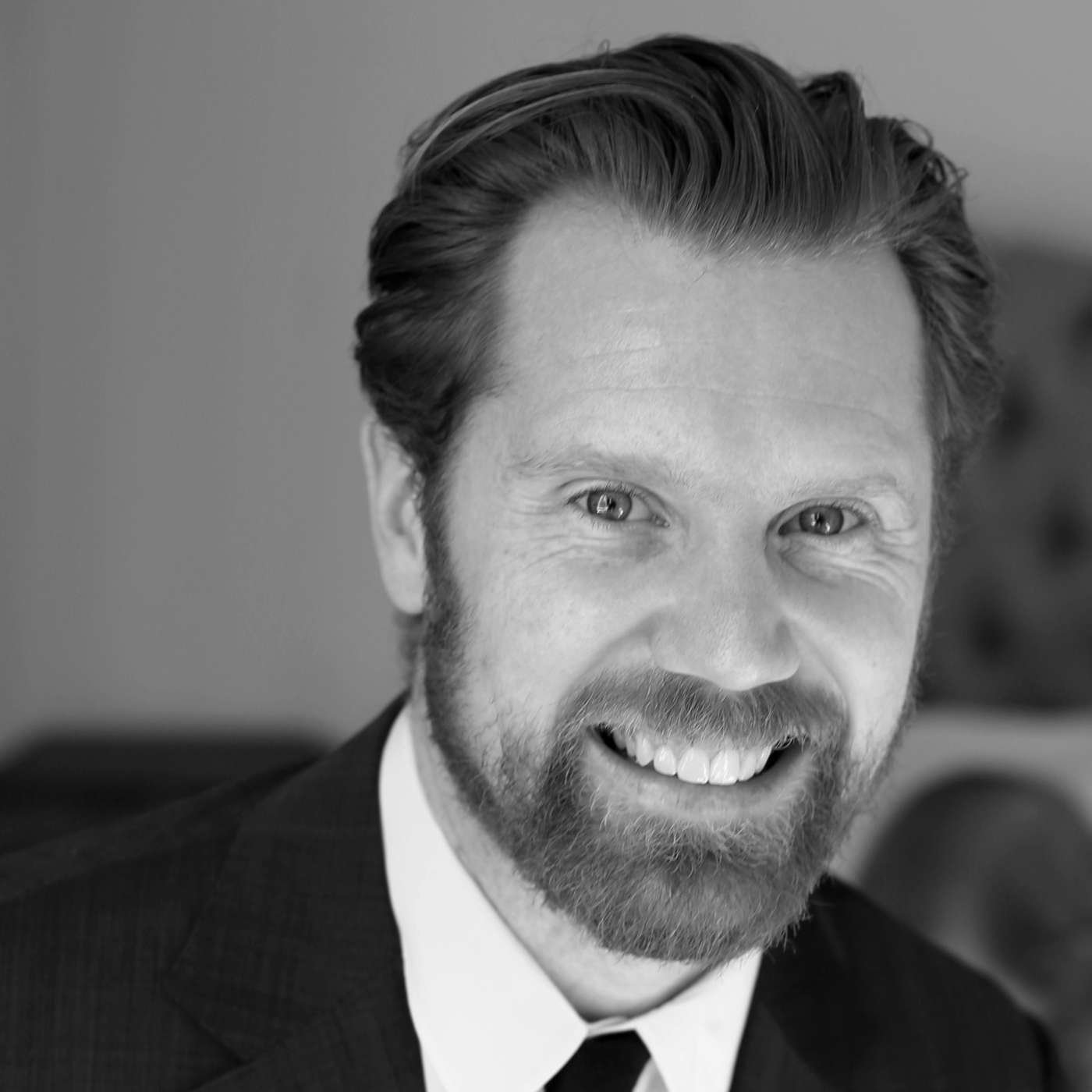
In this episode of Clean Power Hour, Tim Montague talks with Karl Andersen, founder and CEO of Lektra, about a different approach to the growing power demands of AI. Lektra places GPU servers alongside distributed energy resources such as solar and batteries, turning homes, businesses, and other energy sites into small-scale data centers.
Instead of exporting excess solar to the grid, an energy host can use that electricity to power GPU workloads and earn revenue from the compute generated. Karl says Lektra typically gives energy hosts 80% of the resulting revenue while retaining 20% for providing the compute marketplace and infrastructure.
The conversation explores why rapidly growing AI demand is exposing limitations in today’s electric grid, and whether distributed energy, microgrids, batteries, and edge computing could form part of a more decentralized Grid 2.0.
In this episode, Tim and Karl discuss:
• Why AI is creating a new market for distributed energy
• How Lektra turns solar and other energy assets into edge-scale data centers
• The economics of selling compute instead of electricity
• How Lektra’s 80/20 revenue-sharing model works
• Why edge computing could benefit autonomous vehicles, robotics, logistics, and physical AI
• How distributed compute could help address data-center grid constraints
• Lektra’s approach to data sovereignty and on-premises AI
• What a more decentralized energy system could look like over the next several decades
The future of AI will require enormous amounts of energy. This conversation explores whether some of that demand can be met where energy is already being generated, and whether compute can provide the economic incentive to build a more distributed and resilient energy system.
Connect with Karl Andersen, Lektra
Lektra – Powering Intelligence
Connect with Tim
Clean Power Hour
Clean Power Hour on YouTube
Tim on Twitter
Tim on LinkedIn
Email tim@cleanpowerhour.com
Review Clean Power Hour on Apple Podcasts
The Clean Power Hour is produced by the Clean Power Consulting Group and created by Tim Montague. Contact us by email: CleanPowerHour@gmail.com
Corporate sponsors who share our mission to speed the energy transition are invited to check out https://www.cleanpowerhour.com/support/
The Clean Power Hour is brought to you by CPS America, maker of North America’s number one 3-phase string inverter, with over 6GW shipped in the US. With a focus on commercial and utility-scale solar and energy storage, the company partners with customers to provide unparalleled performance and service. The CPS America product lineup includes 3-phase string inverters from 25kW to 275kW, exceptional data communication and controls, and energy storage solutions designed for seamless integration with CPS America systems. Learn more at http://www.chintpowersystems.com
0:51
Today on the Clean Power Hour, what if the power flowing off your roof could earn you 100 times more than the grid pays for it? Not by selling electrons, by selling compute. My guest turned solar homes and businesses into tiny data centers that rent out AI power, and he says the math beats net metering by a wide margin. He's the founder and CEO of Lektra, Karl Anderson. Let's get into it. Welcome to the Clean Power Hour, Karl Anderson.
Karl Andersen:
1:23
Thank you so much for having me.
Tim Montague:
1:25
Karl's background runs from Wall Street to a private equity fund investing in distributed energy across Norway, and that's where the ideas started. He watched solar owners sell power back to the grid for almost nothing, and he went looking for a better buyer. Around 2022, the AI boom handed him one.
Karl Andersen:
1:45
My last company was a private equity fund that invested in distributed energy. What we started to understand was like the grid was sort of a bottleneck for a lot of things we were trying to do. Interconnect agreements, the capacity of the grid was already kind of straining, and thirdly, solar owners and you know distributed energy owners were selling back to this grid and making very little money, and so we were kind of we were frustrated with that. And then we started looking around, and we just this is about 2022, and then these announcements of ChatGTP were coming. We're like, oh, those guys are going to need a lot of power, and what a consistent off taker as well. And so we started thinking about it, and so we wrote these patents about all distributed energy as it relates to powering GPUs, TPUs, DPUs, 16 other processing cars, because what we recognized was that those industries are going to require significant amount of power, and that decentralized energy could play a significant part in that. And then there was, you know, another piece to this. We started realizing that the grid is holy crap. No one's really been working on this since the 1960s. The grid, when it was originally, it was built for families with two TVs and six lamps. It was not designed for hyperscalers. The you know the architecture was not based for what we're trying to do and what we're trying to demand from it out of society. And so when you really look at our current grid system, obviously now you flash forward, it's not meeting the moment for hyperscale data centers. Clearly, and in fact, you know, there's a lot of backlash that, you know, on this. Obviously, read popular press and you know, mr. Wonderful and all of these, you know, but but it's become a top five or top four political issue nationally. And so the the question remains really is, what does a grid 2.0 actually look like? So we do we do several things. You know, what the elector platform is ultimately designed for is any merchant of energy, typically mostly like solar energy solar providers, you know, et cetera. Instead of having a hyperscale data center, we call it an edge scale data center. We move the data center to your site location, whether it's a house or a business. We have smaller versions of servers that go and collocate at the site location, and then through fiber connect to our cloud, so we have an edge cloud where we have you know customers just like you would AWS or you know CoreWeave or you know whatever they come they use our services they rent our GPUs and you know like a b2 100 on our platform is$5.50. Let's say that's one kilowatt hour, you know, instead of making six cents a kilowatt hour, like I'm selling back to the grid in the state of New York, now I'm making 550 an hour from selling from transforming my energy to compute. So that's really the proposition.
Tim Montague:
4:26
So here's the model in one breath: instead of shipping your solar power to the grid for a few cents, you put a small server next to it. That server runs AI jobs for paying customers over a fiber line. You're no longer selling electricity; you're selling what the electricity can do. Lektra calls it an edge-scale data center, and the owner keeps 80% of the revenue. So today I have solar. Let's just talk about a commercial facility, okay? Let's just say it's a warehouse, and the solar is producing 100% of the electricity that that facility consumes. So in the summer, the facility is feeding back onto the grid, and and maybe getting some net metering credits, maybe not depends on the geography, and you're suggesting that that asset owner could take that extra electricity and power a GPU and get paid more.
Karl Andersen:
5:27
Yeah, that's exactly that's exactly it. Yeah, think of it as just an additional load to the load profile of the building.
Tim Montague:
5:33
Yeah, and but so when you think about the huge number of data centers that are trying to interconnect versus the way that we're building out the grid, there's like a disconnect of a factor of at least two and a half to one. There's many more data centers trying to come onto the grid. Than the utilities are able to expand the grid, and so as a result, there's a spike in pricing. Right there's there's greater demand than there is supply, and market economics take take hold, and consumers and business owners are paying the brunt of that is Lektra somehow solving that problem. Do you think?
Karl Andersen:
6:17
Oh, absolutely. I mean, you know, basically we're meeting the market where it is. You know, hyperscalers are looking for much bigger power. They're looking for, you know, they're trying to build with gas turbines and nuclear and sort of big and Three Mile Island. I think Microsoft's trying to refire up Three Mile Island. What we're saying is there's already all this installed stranded energy. Well, that's stranded, but it is it's used. But all of this already installed solar, batteries, hydro, geothermal. That's trying to get interconnection to the grid, or maybe is interconnected to the grid. Can meet that moment. What we're saying is like any merchant of power that has a facility creates power on prem and collocates a server can actually then add to to the cloud. Now our cloud is a little different, so we're not a hyperscaler. Hyperscalers typically, you know, they do a lot of LLM training like Grok and Anthropic and you know these sorts of things. The bigger markets of fine tuning inference and those which are going to dominate, I think it's like 90% of the market according to McKinsey, is actually what we built. So when you think about power at all these different site locations, like there's 5 million homes with solar in America. If you were to have solar at each one of those locations, you're creating an infrastructure network with GPUs that then society can.
Tim Montague:
7:38
Wait a second, you-you, I think you misspoke. You said if you could have solar at all of those sites, there is already solar. If you could have a GPU at all of those sites,
Karl Andersen:
7:46
yeah. If you could have a GPU at all of those sites, then it creates a interesting dynamic. Okay, so for example, Waymo. Like, so in New York, we have some GPUs around here. The way Waymo operates right now is like it's owned by Alphabet. They have a hyperscaler in Virginia that it has to coordinate with all the cars within the New York area. Well, that's a long latency to be firing back and forth, and sometimes, like I don't know if you saw this in San Francisco last Christmas, but when the grid went down, all the Waymos shut off too. What Lektra is building is ultimately we're building site locations, you know, some that we own and then energy hosts that have their own sort of an edge network where there's a bunch of different satellites or what we call satellites, which is the solar and GPU at those locations. Now when Waymo's driving from New Jersey into Manhattan, whatever, there's this whole network of edge compute that it's running from. It's getting real-time signals from the GPUs around it, so developers can select those things that they need. So it's not just driverless cars. It's last-mile delivery. It's any supply chain and logistics company. It's high-frequency trading for you know guys down on Wall Street. So our edge cloud serves a different layer of infrastructure and a different, I would say, the next generation of things that we want to build on top of a grid system. So for example, again, like if the grid is tapped out on AI, right? You have all these hyperscalers and it can't meet the moment there. What about robotics? What about its advanced manufacturing? What about all these other industries that we want to build upon? What does the grid do for that? And where are we getting the energy? So our concept, in in broad terms, is that actually it's all the distributed energy assets that we can build and fortify and meet the moment with them, and then add GPUs on prem in servers. So that's what we're doing.
Tim Montague:
9:36
Yeah, and and it seems like right now your business model is to work through channel partners. Is that accurate?
Karl Andersen:
9:49
Yeah, for distribution. You know, I was told a long time ago. Actually, running the private equity fund, you try not to build your own distribution when you're a company. Find distribution, and so you know we're working with companies like Sunrun. We're working with companies like EG4, you know, battery makers. We have a bunch more that we're working with Green Tech, you know, to roll out the product. So we have to train those sales teams, you know, et cetera, but we pay 80% of the revenue to the customer, and I think that's important because I think you'll see some models maybe coming out over time where they want to put GPUs. Like Nvidia and Span had a deal where they're putting GPUs in your front yard, still in in pilot mode. It hasn't, you know, fully come to fruition, but it's still all grid tied, and so we're trying to build a network that's you know not grid tied, and also give the money to the what we call an energy host, so that they have more capital to build more behind the meter energy, you know, and ultimately attach to microgrids, build connect community batteries, and build what works. How would it
Tim Montague:
11:43
not be grid tied? I don't. I don't understand that. The vast majority of solar on the grid is grid tied. It some of it has micro gridding capabilities, which is great. But pure microgrid is that what you're talking about?
Karl Andersen:
11:59
Over time, yes. What does the future of the grid look like if it's not meeting our current moment, you know, like there's only so many ways you can go with this. So you have to start building distributed power. But what does that look like? And I I agree with you, and I understand a lot of it's still grid tied and has interactions, but it also has the opportunity to island. And over time, like so in Manhattan right now, Zone J, and over the summer I've lived through this. We were getting rolling brownouts. They were literally turning off our air conditioners. This is going to start hitting consumers pretty fast. So what's the response going to be from society? And I think, I mean, I think it has to come from the existing distributed energy that's already out there, and we have to figure out ways to island it. There's a lot of imperfect solutions in our path to getting to distributed grid systems, but this is a starting point, you know. So yeah, we just have to work with it, figure out the best way to then build more behind the meter energy that may that will have the grid as as a backup tie, or has other alternatives as as ties, so yeah, it's not like um, it's not an easy conversation, but we're blazing that path. We built some software called Electric Connect, and we're sort of gaming out how that looks like and what people would need to do and the resources to do it. The starting point, though, is why not have those customers make a ton of money from their existing energy, and I think that's what the unlock is. It makes a lot more projects, pencil, battery projects, you know, et cetera. So,
Tim Montague:
13:28
yeah. So, let's get down in the weeds and and very concrete. If I'm a Sunrun customer, which is a huge number of customers, I don't know how many millions of customers they have, but you know, one of one of the images I saw about a year ago was a map of L.A. showing you know bright dots where all the Sunrun installations were, and you could see the you could see the map of L.A. from the Sunrun installations, right? It's just a massive footprint, and so if I'm a Sunrun customer, I'm going to get a letter or an email that says, "Hey, we would now like to install Lektra server at your premise, and we're going to pay you to do that. And so, if I'm Joe Bloggs in Los Angeles and I get this letter, what is the economic opportunity for a consumer or small business owner.
Karl Andersen:
14:27
Well, mr. Blogs might have a different relationship to Sunrun than they would to us. The way we view the market is it's an 8020 split. We keep 20 from for generating the offtake, effectively, and the customer gets 80% That's a really generous offer, honestly. Like hyperscalers will pay seven, eight cents, or 12 cents of the dollar for the power, and then that's it. They keep all the the upside. So, but the reason why Sunrun is maybe an imperfect example is because Sunrun may provide financing for Mister Box or whatever, you know. So like, so they'll there'll be a payback period. But the unit economics are such. So if if someone was to come to Lektra and just buy one of these direct, put it in their house, there's an 8020 split. The servers themselves are roughly a two year payback period, and then the rest of the cat the the rest of the income pays down like solar and battery, etc. or it's just income. The
Tim Montague:
15:26
obvious worry for a homeowner is simple: won't this server spike my power bill and hog my internet? I put that to Karl.
Karl Andersen:
15:36
Yeah, so like homes and businesses, they're totally two different environments. But like, so a home. Let's just use the home as the example, though. Depending on the chip you have in your house, like b2 100 is about a kilowatt of energy, so it's not a crazy load. It's actually a pretty low draw if you think about it. So if you had two GPUs, it's two kilowatts. It's not. It's not a crazy draw on the on. Yeah, but that's
Tim Montague:
16:01
the average draw. That's the average of the average home, Karl.
Karl Andersen:
16:07
Two kilowatts. A
Tim Montague:
16:09
kilowatt.
Karl Andersen:
16:11
A kilowatt's the average for a house.
Tim Montague:
16:13
Yeah.
Karl Andersen:
16:15
Okay. So yeah. So for each b2 100, it's it's about a kilowatt. So you're doubling
Tim Montague:
16:20
you're doubling your load.
Karl Andersen:
16:23
Yeah. So in that case, maybe run something smaller. So again, a home you can run like a 5090, which is 600 watts. That's more performative of like a gaming computer. So the payback period on that chip is the same payback period, but you earn less in the market. So let's say like a 5090. 600 watts, and you're getting like 80 to $1 per hour. So the average,
Tim Montague:
16:47
let's can we talk in kilowatt hours because the average home in America in America consumes about 10 kilowatt hours per day, and obviously a big home you can double that, and a small home you can go down a little bit, but you know that's a good average 10 kilowatt hours per day. How many kilowatt hours is the is this v2 v2 100 consuming?
Karl Andersen:
17:11
It you know it. I mean we prefer that you're running it 24/7, but if you're not running in 24/7, it's yeah. So you'd you'd have to get batteries or you know tie back to the grid, but but it more than covers the cost of like you know so it's a two year payback period. It's not a crazy amount of energy, or it's not a like a crazy cost relative to what you're paid on the compute. The bandwidth you do have to add, like I would suggest at a house, like having one gig of fiber if you can, you know, in certain facilities, like a five megawatt, like a business location, we have them. Like our, we have a 250 kilowatt mothership. We have about 10 gigs of fiber at that location.
Tim Montague:
17:53
Okay,
Karl Andersen:
17:53
so it is pretty fiber intensive. I mean, you're in the data center business, so you know. And well, yeah, I just I'm I'm curious
Tim Montague:
18:00
how this plays out. Like, so let
Karl Andersen:
18:02
me let me also kind of let me characterize this too. Like, so when you're when you're talking business locations, you can actually have a decent size server that can do a decent size amount of jobs and have an interesting low profile. Homes are still, I will say, a frontier network in some ways because they're also not very secure.
Tim Montague:
18:22
Could you could you give us an example of a good use case or case study?
Karl Andersen:
18:28
Well, we have one of my customers is out in Alpine, Wyoming, and he has plugged in. I think it's like an RTX 6000, and he's getting monthly income of about I think about 1000 bucks a month, somewhere around that, but just remembering off the top of my head.
Tim Montague:
18:46
And tell us about an RTX 6000. What does that represent?
Karl Andersen:
18:50
An RTX 6000 is another type of GPU, so it's a different type of chip. So he has his house is pretty big house. He has like a ton of solar there. He has his own batteries, and then he has like the electricity is pretty cheap, also because it's Wyoming. So he has it back up to the grid, and he I think he plugged in in April or May of this year. We got it delivered, and now he's making about 1000 bucks a month. So we and what is the what is the footprint?
Tim Montague:
19:20
What is the footprint of the server unit?
Karl Andersen:
19:22
Show you pictures like a refrigerator
Tim Montague:
19:24
or
Karl Andersen:
19:26
two GPUs. Think about a gaming computer. Like they're they're pretty big. They're they're bulky. So that would fit one GPU, maybe two. So we're talking about a desktop computer, like a big desktop computer. If you're going to do a four way system, usually they design those as a rack. So think about like when you see a server rack. Sure. You see like a slice of it like this, and then it's you know the depth is probably three feet. So so then if you're going to put that in your house, you just have to create. We have different casings for it, different hardware providers to put it in a house for that. Different types of coolants.
Tim Montague:
20:03
Yeah, I mean, EG EG four is now famous because they are starting to sell a 60 kilowatt hour battery for$20,000, which is an amazing good deal. It sits outside, like by your air conditioner.
Karl Andersen:
20:18
Yeah, yeah.
Tim Montague:
20:19
It's it's NEMA four rated, I think. So it's rated to be outdoors, and and so if if you're when let's talk about that partnership a little bit. The so if I'm an EG four customer, they're going to say, hey, you know, since you got a big battery, would you consider getting electro server, and and and but what? Why does the battery pair well with the server?
Karl Andersen:
20:53
It's you know additional storage for you know for solar. It's just it allows the solar and the battery to run. We're just trying to get 24/7 power to our servers, so the battery is good because it pairs well with the solar, more or less.
Tim Montague:
21:10
Okay, yeah, and but but but as we discussed in the pre-interview, it's it's not you know like the from a first principles perspective, there's no reason why you can't just plug this in if you have a good fiber connection and you have steady grid power, you don't need solar and battery to have electro server, right?
Karl Andersen:
21:31
You do not. No, you don't. No, you can. The starting point could be anywhere. The only thing you're going to run into are energy prices increasing on you over time. So, like. You know, we've had some of the other neo clouds in the business. You know, confidentially have told us that they're getting price spikes on their on on for some of their customers on their on their servers, and that's influenced their ability to keep the costs lower. So over time, the neo clouds, as energy prices increase, they have to price that into the price for develop to develop developers, and so that's slowly going to really affect them. The cloud that's the cheapest that wins is going to be the one that has the cheapest form of energy. That's not tied to the grid, or it's not using grid as the mark to market.
Tim Montague:
22:20
Yeah.
Karl Andersen:
22:21
So yeah. So then you're going to get the volume of business,
Tim Montague:
22:24
and and so back to this problem of, you know, Rames Nam recently pointed out that there's like 230 terawatts of data centers that are planned for the next five years, and that's a huge amount of load. But you could argue that if Lektra is hugely successful, you're going to be adding some terawatts of load to the grid as well. So I'm still wondering: are we are we solving the problem of load growth?
Karl Andersen:
23:01
Well, I mean, you know, ideally, over time, we move away from the grid completely and start islanding some of this energy to power, you know, the data center. So, you know, you're already seeing a ton of the binary meter growth with with hyperscalers with gas.
Tim Montague:
23:18
When you think of the grid 2.0, do you think of it as a as as a grid where many users have defected from the grid and are running microgrids.
Karl Andersen:
23:30
Yeah, like it doesn't have to be fully disconnected. I think you can use batteries as switches, supercapacitors. Meaning, you know, how do you can you dual use a battery? Can it can it serve the utility grid operator in terms of load shifting and simultaneous, can you have DERs interconnected to that? That's some of the things we're that we're exploring because what we're what we would ultimately like to do is be able to expand the capacity of the grid of grid 1.0 and add in DERs to it through through batteries, but at the same time, you know, society. I mean, I just don't know how else you build a secondary grid. You know, you know, like it's probably got to be behind the meter energy, but that has to pencil in the right way. Who's the offtake for it? You know, so the economic model has to have some offtake, and and what we know is that AI is going to continue to grow, and that there's a merchant economy for this. So if you are an energy supplier to this business and you collocate servers, but remember, in the future, it's also going to be physical AI is on its way, robotics, on-prem, like you know, enhancing an IoT environment. We're building a server right now in Pennsylvania that then helps coordinate with the Caterpillar drones. So this farmer had built out like 700 kilowatts, way too much for the chickens. We're putting, we're sizing a server to that location. But at the same time, you can coordinate the the Caterpillar drone tractors at the location. So, like I think there's so many more usage of like On-prem energy, and I think it's like you know, 100 years ago, we used to understand our energy so much better. We'd buy like two cords of wood because we knew we had to burn that for the next, you know, for the winter or whatever. Now I think we're going back to the future a little bit in the sense that the economies of scale allowed us to, you know, especially with nuclear, build centralized energy systems and then distribute it the way we did. But I think now, like the cost of solar has come down so much over the last 30 years. You know, why is it necessary to be tied to this monopoly? And you know, what can the future look like? You know, as an alternative, still maybe pairing with the grid in instances to help allow it to give it capacity, but at the same time, maybe there's a better model that's you know not totally grid tied all the time.
Tim Montague:
25:51
Up to now, we've talked about the money, but Karl's real motivation is darker and bigger. He thinks the grid that we have is quietly falling apart, and that nobody in charge has a plan for what comes next. I asked him what actually keeps him up at night.
Karl Andersen:
26:07
I think what keeps me up at night is a complete grid failure, and that's not just it's not just a cyber attack or like a natural disaster like what happened in in Texas. It's just the slow erosion of our grid over the next five years and the inability to have a coordinated response from anyone. Like I said, the government's not working on a grid 2.0. Full stop. If you talk to the military, the grid goes down. What's their backup? Diesel. That's the answer. Okay, so then you talk to Silicon Valley. These guys are brilliant. They. Be making the next grid systems. They should be making. Are they? No. They are sucking all the power out of where they can get it anywhere. Full stop. So you know, like what keeps me up at night is that we don't have an answer, and that the marginal cost of utilizing the grid becomes insurmountable, and that we run into brownouts, blackouts. The capacity is just not there anymore. So we need to put all of our time and attention on what that then looks like as a path. And I'm not saying I have 100 of what that path looks like. I'm saying we're three years into building, building a path and forging a path with decentralized energy and an orchestration layer that does that, paired with edge compute. I think edge compute makes all of these projects then pencil and like unifies some sort of path forward, and I'm sure we're going to be wrong and have to fail a whole bunch of times as we go along this path. I'm not saying we have the full solution, but I'm saying we are starting that solution.
Tim Montague:
27:35
Okay, so I have another hot question. Talk about microgrids. I'm I'm a huge fan of microgrids. I'm writing a book about microgrids. They're super important. The future of the grid, in my opinion, is a grid of microgrids, and but even if I have a facility that has microgrid capabilities, I need, as you've mentioned, I need a robust data connection to the outside world in order for the Lektra server to be useful, and if the grid goes down, the the hardware that that fiber is connected to is going down somewhere and potentially shutting off the the pipe. Is it not? Even if even if I'm a microgrid or have microgrid capabilities. I mean, I'm I'm then in Starlink mode. Is that part of the deal that you're going to have a Starlink hit Star?
Karl Andersen:
28:34
Absolutely, you could back up to Starlink, no problem. I'm not saying like, but the the for the majority of the time that you had that microgrid, you were connected, and you were making a lot more money to the microgrid than you would have otherwise made. So what I'm saying is that project now penciled, and you're getting 80% of the revenue all the time. So you have built a very, and and now you're safe. You and your family have an independent energy source that is safe, independent of all that. That's what we care about the most. I don't care if we stop making money. If you guys are independent, you have independent energy, and you're safe. Your family's safe. That is our top like concern and priority for like that's really what lecture is all about. Is like making sure there's more independent energy created in the event of a blackout. Let's say everyone's lights are still on. At least there's resources and credit starting with critical infrastructure, hospitals, airports-you know, et cetera. You could do a star link, though, in terms of latency, if that was still important to connect. What we are working on, though, we have a patent that was passed too, which puts in low low frequency communication between the Lektras, depending on how close they are. So we can create mesh networks so that the systems are talking to each other and at least giving each other low, low frequency information, you know, to neighbors and to whomever, you know, in an emergency scenario. So, yeah, we're trying to build it in a crisis, also built for crisis management, you know, in that way. So, yeah, and I think you know that's what our investors like about us is we're not really just we're about building this. It it the model makes a ton of money. To be honest with you, the gap between the cost of electricity and the cost of compute is actually enormous. I just gave you the GPU price. There's a lot more stuff that we put on different programs. You get 80% of that. So there's a lot more in terms of upside. But it's also that there's a care and attention to the community that we're focused on building something that's real-a real response to the to the coming brownouts and blackouts-and I hope if we do our job right, no one will ever know what happened. Your lights will still go on and off, and people will think we were crazy because we actually solved a problem and we're ahead of it. But yeah, I think there's a real probability that you know, in a place like New York, you start getting 20% of your day in a blackout.
Tim Montague:
30:47
Do you have a theory though that Lektra somehow catalyzes the advent of microgrids?
Karl Andersen:
30:55
Yeah, absolutely. It helps microgrids to pencil better. Like I don't know the IRRs on what you're looking at and how much money you can make, but if we can put a co-located, you know, server there and drive some revenue to the to the microgrid, it makes it earn capital. And also, like, look, it's it's also remember. So you're making money, that's awesome. But over time, that location GPUs are going to be used in the next five years. Like Nvidia is trying to sell them, Dell's selling them. They're going to get into your houses and homes. But the first thing you need to figure out is what kind of energy you're using because these things are going to demand a ton of energy at homes in the future. They're going to build robotics off of it. They're going to build you know coordinating your cars, coordinating all these other things, drone delivery, physical AI. Is going to come, and so we're building basically a foundation for that at the same time. So there's a lot of dual usage out of it. It's not just monetizing the energy in our in our long term roadmap.
Tim Montague:
31:52
And besides the grid going down, what else keeps you up at night?
Karl Andersen:
31:57
Like I'm helping this school, it's Environmental Studies High School here in Manhattan, and help teaching them how to use AI as a workforce. Like what's happening is a whole generation of kids right now are not engaged. the The promise of AI is basically we're going to kill all your jobs and then kill you. And that's a really demoralizing take on where the world's headed. Lektra is the exact opposite. We think like you know, the future there's tons of energy jobs coming. I think we're going to have an explosion in in energy because I think the grid is going to have a lot of problems. This boon on on on energy is going to be, but it's going to be paired with AI, physical AI, on-prem AI, enhancing IoT environments, advanced manufacturing, and I think we provide like a promise for people to do to do better, and then we always you know push independence in energy, independence in data. That's another attribute I wanted to add. With Lektra servers, basically we put digital wallets on it, so you own your own data. They can't scrape your data. You'd have to permission them to do that. So this way, you have sovereignty in your data at the same time, which is a huge issue not only in America but Europe especially. So as Lektra as Lektra expands overseas, sovereign AI is something that all those countries are looking at. We can help enable that for them.
Tim Montague:
33:17
What is the scale of the Lektra operation right now?
Karl Andersen:
33:22
It's not huge, but we have about 25 servers in that are distributed out throughout the market, and then we have what we call motherships. We have a mothership here, and then we're building one in Texas. Motherships are about 500 kilowatts to a megawatt, and so then we're putting what. But so we had gone from startup mode. We put all our own money into it, built the cloud, built what we needed to took on some family office money took on some actually you know companies like EG4 also invested into us took licenses you know and the like now we're raising 25 million bucks as a convertible note to expand our mothership footprint setting up electric infrastructure and then we're raising 250 million in equity 750 million of debt to do like 50 of these things, motherships around the country, mostly at like airports and critical infrastructure locations. Department of Energy will give us a billion dollars after that. The Energy Dominance Council have been coordinating with them. That's that sounds like a lot of money until you realize Meta's spending $145 billion this year, and Navidia and Apollo just closed a deal for 500 billion in capex. So you know we're, but it's a start. You know what I mean. And then so, but our infrastructure costs are somewhat laid off to the energy host because energy hosts then buy the servers, they buy them, and they become part of our network.
Tim Montague:
34:40
So in our in our last few minutes together, Karl. Though today the footprint of Lektra is quite small, but you've established some pretty robust partnerships, which you know portends pretty significant growth in in a year or two. Like, how do you are you how do you measure your your anticipated growth and and what in in ways that you can talk about that.
Karl Andersen:
35:07
Well, we've been at this for a little bit, and I would say, like the I think our biggest hurdle is that the servers cost quite a bit of money. You know, so people have to figure out how they're going to buy these things, and so a lot with our distributors. So we've signed agreements with them for some time, but it's really then organizing the go-to-market. How we're going to finance this? We have financing partners as well. We have like Huntington Bank, a few other lenders that can help support that. But I think it's really like, how does this get packaged to go to market simply for a home with all the questions answered, where it's just plug-and-play, QR code, connect, and then that's it. You know, a lot of these solar distributors have done a really good job of creating packages like that. So a lot of them are just trying to figure in how they do that, and I think they're almost there. So you're going to then start seeing, you know, over 2027 for sure, just a rapid growth in this in this area.
Tim Montague:
36:03
Well, I think I think you know I think the path of least resistance is going to be by partnering with companies like King Energy, and I and I introduced you to
Karl Andersen:
36:13
yeah yeah yeah
Tim Montague:
36:14
to John at King Energy. You know King King has solved the the the DG Energy problem for facilities that are tenant occupied, non-owner occupied, like strip like strip malls or shopping malls or warehouses, and they're installing solar and batteries, and now they've got a big fleet of these facilities, and they're just a tenant. Right, they're renting rooftop space from the real estate owner, and then selling power to the tenants, and doing so economically. And it's a win-win. The tenants save money, they get clean energy, and you know John is building a fleet of of solar and battery projects. He he's an IPP.
Karl Andersen:
37:04
Right.
Tim Montague:
37:04
Check out episode 250 with John Witchell of King Energy. Anything else we should talk about in our last couple minutes together?
Karl Andersen:
37:15
You know, I I hope that the listeners you know kind of understand what we're building is like a new platform and a new way of looking at at least forging a new path for a grid 2.0 that's that's reasonable, you know, and we're you know we're open minded to this. We understand that you know this is early days. I think in the next generation over the next 50 years. Again, I posit the question: what what is the grid going to look like, and who's built any sort of architecture for it, and you know what is the plan, and you'll come to find out quickly that no one has actually done any of that work, and so we're really I think it's going to be one of the challenges of our of our of the next decade is really figuring out what this looks like, and so Lektra, we're pretty far ahead on that, but we want to partner with people who are smarter than us, you know. Getting good people in the room, honest conversations. We are a partner to our community. We want everyone to have energy independence. We want your families safe. We want you to develop physical AI. We want to help build jobs and and have a positive message for people.
Tim Montague:
38:18
Whether or not Lektra is the answer, Karl's question is the right one. What does the grid look like 50 years from now, and who's actually building it? For now, let's grow solar and storage. Check out all of our content at CleanPowerHour.com. Tell a friend about the show. Do it today. That's the best thing you can do to help others find this content. I really appreciate you being here.
Unknown:
38:43
Take care, everybody.