A single design error on a commercial solar project can cost $60,000 to $70,000 to fix. Scott Wyssling and Catherine Kelso of Wyssling Consulting explain what quality design actually looks like, why AI cannot replace a licensed engineer reviewing plans, and how battery integration really fits into commercial solar today.
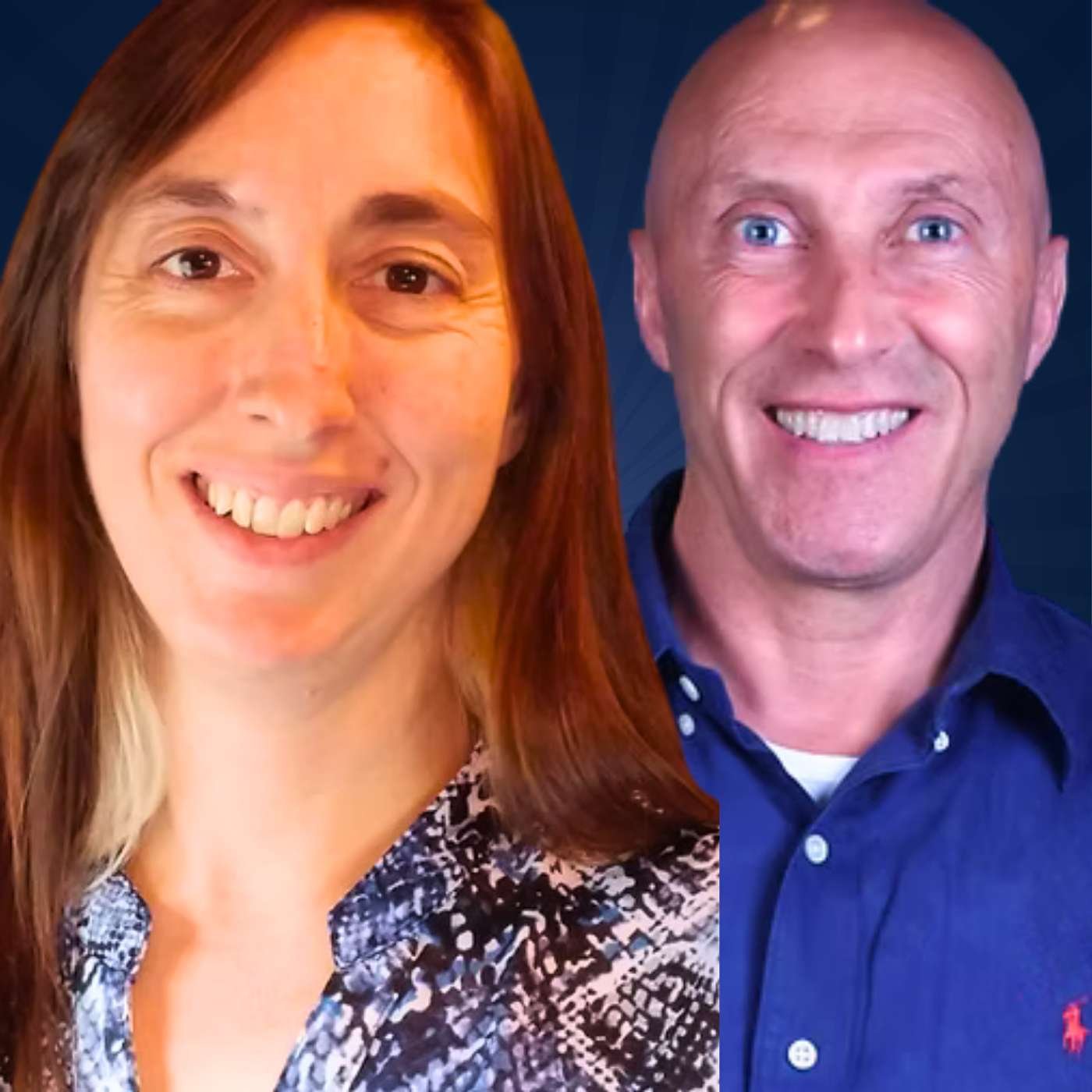
In this episode, Tim Montague sits down with Scott Wyssling, founder and principal at Wyssling Consulting, and Catherine Kelso, Director of Commercial Design and electrical engineer at the firm. Wyssling provides structural and electrical engineering and design for residential and commercial solar and storage projects across the United States. With 75 employees and an engineer-owned, engineer-led structure, the firm has built its reputation on quality control, fast turnaround, and a refusal to treat the PE seal as a formality.
With the ITC safe harbor deadline pushing a construction boom through 2027, the pressure to move fast is real. Scott’s point is direct: speed without engineering integrity creates liability that lands on the EPC and installer, not just the firm that signed the plans.
What you’ll learn in this conversation:
Why a single design error on a commercial project can cost $60,000 to $70,000 to fix, and how $3,000 to $4,000 in better upfront engineering eliminates that risk entirely.
How Wyssling’s QAQC process actually works, including internal peer reviews and a 20% audit of already-delivered projects, and why that sets a different standard than automated or outsourced design.
Why Catherine Kelso says battery integration is simpler than most EPCs expect, whether you’re retrofitting storage onto an existing system or designing it in from day one, and what to watch for when choosing a manufacturer.
Scott Wyssling’s direct case against letting AI replace hands-on engineering review, and why a licensed PE needs eyes on the actual roof, the actual photos, and the actual electrical equipment.
How 15 to 20 year old solar farms are creating a new engineering challenge as 600-volt inverters age out in a market now built around 1,000 and 1,500-volt equipment, and why this only grows from here.
Quality control gets treated as optional right up until a six-figure correction lands on your desk. This episode gives you concrete criteria for telling a serious engineering partner from a shortcut operation before you sign anything.
Connect with Guests
Website: https://www.wysslingconsulting.com/
Scott LinkedIn: https://www.linkedin.com/in/scott-wyssling-5b2aa77/
Catherine LinkedIn: https://www.linkedin.com/in/catherine-kelso-pe-997b014a/
Connect with Tim
Clean Power Hour
Clean Power Hour on YouTube
Tim on Twitter
Tim on LinkedIn
Email tim@cleanpowerhour.com
Review Clean Power Hour on Apple Podcasts
The Clean Power Hour is produced by the Clean Power Consulting Group and created by Tim Montague. Contact us by email: CleanPowerHour@gmail.com
Corporate sponsors who share our mission to speed the energy transition are invited to check out https://www.cleanpowerhour.com/support/
The Clean Power Hour is brought to you by CPS America, maker of North America’s number one 3-phase string inverter, with over 6GW shipped in the US. With a focus on commercial and utility-scale solar and energy storage, the company partners with customers to provide unparalleled performance and service. The CPS America product lineup includes 3-phase string inverters from 25kW to 275kW, exceptional data communication and controls, and energy storage solutions designed for seamless integration with CPS America systems. Learn more at http://www.chintpowersystems.com
0:51
And frankly, when you're out installing something and there's a problem on a design, it could cost you 60 $70,000 so paying an extra three or $4,000 on engineering and design upfront and saving something like 50 or $60,000 is huge for these, especially in this in the commercial realm, so So
Tim Montague:
1:45
today on the Clean Power Hour, structural and electrical engineering for residential and commercial solar. It's my great pleasure to welcome Scott Whistling and his colleague Katherine Kelso to the show today. And real quick, I had a great time at Gig a week, where I met Scott and Catherine, where Giga Week is a CPS America event, so it pays to go to networking events. You get to meet interesting people, and you'll find out why. I'm excited to have Scott and Catherine here. But welcome to the show, Scott and Catherine.
Scott Wyssling:
2:24
Well, thank you, Tim. It's a pleasure to be here, and appreciate you having us on your podcast. We're excited to be here,
Tim Montague:
2:32
so Scott Scott, what is it about what is it about CPS America that drew you to that event? Anyway,
Scott Wyssling:
2:40
well, CPS America, they had a depreciation week, the giga week, and they really, it was really, they invited individuals to the show that have been working with them, and since we have been doing electrical and structural designs for the solar business, we specify their products, so we've had several meetings with people from their organization to be able to understand their products and specify them on our plan, so you know that's where one of their supplier and we're an engineer that that specs their plans, their products on our plans,
Tim Montague:
3:20
and give us the Cliff Notes version on Whistling Consulting. How did you get into the solar industry?
Scott Wyssling:
3:28
So I started my own business back in 2010 and is primarily site planning, land development, that was really my forte up until that point, and when I went out on my own, I picked up a solar company that that was aggressively growing in the industry, and I started repositioning my business to work on solar, adding that in as a service that I provided, and then it got so large working on solar that I actually took a two year period of time where I left my business and worked in house to build out an engineering company or engineering department for a solar company in the industry, and and then I did that for about two years and realized that I kind of wanted to be back out on my own and so I, I went back out on my own and primarily only worked on solar at that point. Initially we were doing residential designs, we didn't offer electrical engineering services, it was just structural, we didn't offer design, and then the company just continued to grow. Started out with just myself and my nephew, and then you know shortly after that we started bringing in more people, and so now we have 75 employees, and we do full design in house, full service design and engineering, offer electrical engineering services, we have an engineering department that has two PES in it, and, and, and technicians, as well as master electricians and journeymen electricians, and then we, in 2023 we added design, commercial design, and commercial, commercial design, and residential design into our offering, and that's why we have so many people now, and it's, it's just was a no-brainer to start doing design and engineering to gather, because we were reviewing other people's plans, and we were identifying problems with plans, and we helped a lot of different design companies, you know, become better at what they do, and then in 2023 we just decided that this is something we should do, and it's been very well received because of the fact that we have all of these resources in house and professionals in house who can be resources to our customers when they have questions, which is very different than most of the other companies just doing design, who may be over. Seas or don't have engineer, don't have engineering in house or electrical in house, so
Tim Montague:
5:56
and Catherine, why don't you introduce yourself for our audience?
Catherine Kelso:
6:00
My name is Katherine Kelso. I've been in solar for over 20 years now, started in 2005 met Scott through a mutual client, I was freelancing at the time, and he and I were both working for a client, and started doing some work for Scott, and eventually he hired me a couple of years ago to run the design department for commercial,
Tim Montague:
6:23
and when Scott learned that I was keen on batteries, he said, Well, Catherine has to be here, so we're going to lean on you for some hard battery questions. Yeah, I have
Scott Wyssling:
6:32
structural questions, I can, I can answer them, but batteries, not so much. That's better for Catherine's purview.
Tim Montague:
6:39
Paint us a picture, though. You know, you mentioned design firms, but who are your customers? Give us a pie chart, just, you know, rough estimates. I assume you work with EPCs, developers, asset owner, but yeah. Who are your customers?
Scott Wyssling:
6:56
Most of our primary customers are EPCs or solar companies who are doing mostly sales and need to have plans prepared for approval from the HJS or authority having jurisdiction. We do work for some developers, actually quite a bit of developers from the commercial standpoint as well, and we actually have been approached by a lot of finance companies. Soul Wright is one of those companies who have asked us to kind of, we really want to be all in with whistling, and we like your product, and a lot of people who they recommend people who are trying to get financing through their companies to come to Whistling, because they really don't even review our plans, because they're so happy with our product, and they like the quality of what we do. We meet with them weekly to be able to go through issues or changes that they may be having, so, so it's a little bit of everybody, and we do a little bit outside of solar as well, like we've provided, you know, EV chargers designs, we have provided those which are really, you know, just connected to the grid for electric busses, and then we also have done designs for foundation repair companies that are just doing foundation repair and they need an engineer to review and and provide input on the designs and certify them,
Tim Montague:
8:18
so I'm curious, you know, what both of your takes on the energy transition is, you obviously have succeeded in growing a sizable solar services consulting firm, and that says something right. We are, we are a fast-growing industry here in the United States, not without its ups and downs. We call it the solar coaster. We're in a mini boom right now in 2026 which will be followed by a pretty significant bust sometime in 27 or 28 for sure, and but in the greater scheme of things, it's a growth curve, right? We are going to grow, and we're going to perhaps 10x the amount of solar on the US grid between now and 2050 so it's a great opportunity. But what is your take on the ups and downs of solar, Scott? And then we'll, we'll, we'll hear Catherine's take too
Scott Wyssling:
9:14
well. From what we've seen, and why we kind of focused on doing designs as well, is that it's getting it. It is. It was a huge boom back in 2022 into 2023 You really couldn't throw enough solar up on roofs at that point, and there was a huge demand for residential, a lot of the processes that we have in place now weren't in place back then, so finance companies were having difficulty maintaining the process flow, and so we've seen certainly a reduction in the demand for residential, and then obviously have the credits that are going away, who that went away at the end of the year, and now there's really only PPAs that are you can get credit for, and that that's got a limited time as well, and even with commercial, there's still credits available going through, but I think I think they start to taper off in 2027 so there's there's a lot of things that are impacting the demand, but I agree with you that the solar, the solar coaster is going to continue to go, and it's going to be peaks and valleys on when that coaster reaches the high point and the low point, and we're hoping to capitalize on that as a company, position ourselves so that we are there and provide the services that all of these solar companies and EPCs are going to be looking for when this does eventually take off, and as you said, goes tenfold. At least that's my take on it. Catherine, something you want to add to that?
Catherine Kelso:
10:49
Pretty much the same, it's. Is a lot of peaks and valleys, but overall the trend is up, you know, just like anything else. If you look at the stock market, it does the same thing. Been through a lot of the peaks and valleys in the 21 years I've been doing this. I don't see that we're going to go bust in two years. There's going to be a lot of things continuing it, including the raising rising cost of energy, that there's no getting around that, and that makes solar more achievable and pencil better. So, not that I like rising prices, but it does help our industries and make it more feasible, even without a tax credit. If they don't renew the tax credit, I've seen the tax credit almost end many times and continually get renewed over the years as well. So, there's no guarantee that it's going to be done, and then there's a lot of people say harboring equipment as well, so they're going to be installing after that tax credit deadline, but still getting the credit. So,
Tim Montague:
11:40
yeah, I think there are three mega trends that that every solar professional should be aware of, the growing importance of C&I, commercial industrial solar, as as residential has waned with the loss of the ITC for residential, meaning meaning for residents to leverage the ITC. There's still third-party ownership that can leverage the ITC for residential, but but the importance of C&I, the importance of batteries. We've reached a point in the cost adoption curve where batteries are now going mainstream, and in 10 years, 50% of Americans will have a battery in their home or their business, and it's just another, another utility, another contraption that adds value to your life, in this case, reducing your power bill, ultimately, and providing some resilience, if you, if you're so lucky to have the, the solar and battery, and the hardware, and I think the growing importance of being multifaceted, like you can't just be a solar company, you are battery first in many markets now. You're a battery company that does solar, or you're a solar and roofing company, or a solar and HVAC, and I don't know if you, if you, if you're, if Whistling sees this trend, but, but being multifaceted, I think, is is ultimately very important. I had a question, though, and that
Scott Wyssling:
13:16
is Tim. Just go ahead on that point. We have seen a huge transition and consolidation in the industry. Either businesses need to step into these other facets of the industry, like you talk about, like solar companies or roofing companies are now doing solar, and vice versa. Solar companies are starting to do roofing, and then you have solar companies that are doing residential, need to add into their portfolio commercial, right? So that they now offer more, and it can be more, more available to the industry, even going out and doing service calls, maybe some companies weren't doing service calls before, and now they need to step in and do that, and you've seen that there's a lot of companies who aren't able to reposition what their portfolio is, are actually either getting bought or they're going out of business, frankly, and you've seen a lot of that happen over the past year, year and a half, and I think you're going to see a lot more of that happening as people move forward. Tough thing is, with commercial, is that you really need to know a lot more than you do about residential. So, you see some of these residential companies, like, hey, I've been doing residential for five years, and there's a market for commercial, I'm just going to tap right into that market, and then they struggle because they don't know the products, they don't understand the technology, and, and it hurts them, and so we've seen that happen as well. But the great thing about what we do is, we'll meet with customers, we'll, we'll go over the electrical demands and the evaluation of the system, so that they have an electrical engineer's perspective on what they're looking to try and do, and I think that really helps a lot in the industry, and will help people be better at what they do. So I agree with you 100% about people taking on more responsibility in the industry and providing more services,
Tim Montague:
15:10
and if I, if I asked a good customer of Whistling Consulting, what is it that keeps them coming back? What do you think it is about Whistling that differentiates you from the many other engineering firms out there?
Scott Wyssling:
15:25
That's a good question, and, and we try really hard to make sure we have interior internal core values that help all of us understand what, what is it that makes whistling different. Our mission statement is to set the standard for design and engineering, not to capitalize on it, but to set the standard, and the way we do that is we, we have superior customer service, we have, we respond back to customers with an okay. Couple hours of when they reach out to us, we have a QA QC department internally that is built out to make sure that the quality of what we do is there. We meet with our customers on a regular basis, some are weekly, some are biweekly, some are monthly, depending on what they desire, but we have meetings with our team, so that if there's anything we need to understand about something we're doing incorrectly, or any specific projects we need to talk about, we can go over those. I mean, we're certainly not perfect. I mean, there's there's customers that sometimes aren't happy with what we do, but for the most part, with 75 people, it's sometimes a little like herding cats, but for the most part they all understand the significance and the importance of customer service and quick return times on emails and projects, and I think that's what's made us very successful at what we do, and that's the reputation we have in the industry, and we try to stand by that, and we try to continue to again set that standard for design and engineering in the solar industry,
Tim Montague:
16:56
you could be the best engineer in the world, but if you're not giving good customer service, people are going to find a different engineer to work with. But Catherine, how about you? You, you have a slightly different perspective, and you're an electrical engineer, so what do you think is it is that differentiates whistling?
Catherine Kelso:
17:20
I think the things that Scott said are ultraviolet, the fast response time, and that sort of thing. I think another thing that our customers come to us after having worked with another company that they appreciate is the consultancy actually being able to pick up the phone and get a person on the phone who knows what they're talking about, and during regular American business hours, instead of getting emails at 2am from someone they've never talked to, there's a lot of outsourcing that goes on in the business, and not all of it is bad, but getting a hold of someone who you could talk to is is huge for our customers, and you know, being able to get answers, and you know, highly technical answers as well, not just, you know, any answer, or we'll get back to you, but you know, getting an actual engineer on the phone when you need to is is huge,
Tim Montague:
19:01
and Catherine paint us a picture of a typical commercial solar or solar and battery project that you would be working on.
Catherine Kelso:
19:14
There is no typical, and that's the fun part. Everyone keeps saying, oh, these will be cookie cutter, and even the things that are supposed to be cookie cutter, cookie cutter, for example, a chain of stores that are all built similarly. They're still every project is unique and different, and they're really.. there is no cookie cutter. There is no saying. So, we've done projects with just batteries, we've done projects with just solar, we've done projects with both. We've done a lot of really interesting stuff, like one of the things that's coming up now, a lot that we're seeing is older systems that are 15 to 20 years old that are large solar farms that at the time when they were built they were amazing, and now their inverters are dying, and we have to find inverters that will work with these old solar panels that can only go up to 600 volts, and most of the commercial inverters are now built for 1000 volts or 1500 volts, and trying to match up old equipment with new equipment has been a really interesting challenge that we're seeing, and there's going to be more and more of that as these systems age, and that's something that you know people are just doing standard cookie cutter designs, you know, there's there's no automated program for this, it's each each system is unique and has unique challenges. So,
Tim Montague:
20:29
and in the greater scheme of things, How hard is it to integrate batteries into commercial solar design?
Catherine Kelso:
20:37
Very easily, batteries are people seem to see them as complicated, and they're not. There's two ways to do it. You either you're connecting them with the AC output of your equipment, or you have them on the DC side. And it's fun, because when I first started in solar, I was dealing with battery-based off-grid systems. So batteries is what I learned first, solar was what I learned second. So the batteries make perfect sense to me, and they're not really that complicated. I think people a lot of times over complicate it, but it also depends too on the manufacturer, because because every piece of equipment is different. Some manufacturers are very responsive when you try to ask them questions, and others aren't anywhere to be found because they're being engineered in another country somewhere, and they don't have any customer service people that you can talk to, but you know most of the good brands that are out there, the documentation is there to understand them, and it's it's pretty easy to add them to a system that's already existing or as you're building. Of the PV system, and getting the batteries in it at the beginning. Either one is very simple to do, really. The
Tim Montague:
21:50
Clean Power Hour is brought to you by CPS America, maker of North America's number one three-phase string inverter, with over 10 gigawatts shipped in the US. The CPS product lineup includes string inverters ranging from 25 kw to 350 kw. Their flagship inverter, the CPS 350 kw, is designed to work with solar plants ranging from two megawatts to two gigawatts. CPS is the world's most bankable inverter brand and is America's number one choice for solar plants. Now offering solutions for commercial utility ESS and balance of system requirements. Go to Chintpowersystems.com or call 855-584-7168 to find out more. And Scott, what, what do you think about quality control and raising the bar? I guess you know one of the things I like to really harp on in our industry is we need to produce a better work product, and obviously some of that starts with the design and the engineering and the selection of products, but give us some perspective on how whistling approaches quality control.
Scott Wyssling:
23:15
So we have basically peer review, and just to start off with, quality is super important, and I think that a lot of the customers that we have who've switched over to work with us are doing it because they're just uncomfortable with the issues that they're seeing from a quality of perspective when they go out and install things from people who are overseas or who aren't as knowledgeable or don't have engineering or don't have engineering in house or don't have electrical engineering in house, so the quality is super important, and frankly, we are not the cheapest firm in the industry. We are very competitive as far as our pricing, and I've always, always been of the opinion that I want to be a partner, and if that means I need to look at numbers to adjust them to make people feel comfortable, I would do that, but at the end of the day, they're not really looking to try and get us to be the lowest engineering or design firm in the industry. They just want us to be responsive and also have better quality than what they're talking, what they're, what they're experiencing now. And frankly, when you're out installing something and there's a problem on a design, it could cost you 60 $70,000 so paying an extra three or $4,000 on engineering and design upfront, and saving something like 50 or$60,000 is huge for these, especially in this in the commercial realm. I mean, so you know, residential, there's not as big costs when there's maybe a problem on a plan, or maybe you need to adjust one panel here, one panel there, so there's not as big of a cost in those situations, but with commercial projects you're talking big numbers, running wiring, if the wire sizes are wrong and you're in your buying rolls of wire, you could be talking 1000s of 10s of 1000s of dollars to fix that, so spending a little bit extra to make sure that the quality of what you're getting is better is certainly a prudent thing for these EPCs and installers to do, but at Whistling we actually implement a process where when someone is completed with a design, it goes to our QA QC department, they review the project, they do peer reviews as well for projects that are completed, and then we also take a sample of all the projects that we do. Usually, it's around 20% of ones that that already have been delivered. We'll, we'll, we'll review those as well, so that we can provide feedback to our internal teams. If there's something that we see, may never be an issue on an outset to our customer, but it may be something that, hey, that's not the design we want to see, or maybe you need to tweak this, or maybe that wasn't as clear on the plan. So we're constantly scrutinizing our own designs and our own plans, and we also have a database where we keep track of utility information, HJ information, and I would like to think, because we're one of the largest engineering solar design and engineering companies in the industry, our HJ database is probably the most up to date and most complete, because it's dynamic. We update it every day that we learn something from an HJ or something from a utility company, so having that information, which is available to all of our customers through our platform, they can access that is huge to be able to make sure that we have good quality of the products that we do, and then it's frankly just hiring good people, we're not looking to hire people who don't have any experience and just throw them into doing design. Designs, we're looking for people who have electrical background. We're looking for master electricians, journeymen who are doing most of our designs because they have that experience and background and can provide it to that experience to our customers.
Tim Montague:
26:59
I think of there being pressure from the top to get the work done faster, like I said at the top of the show. There is a boom happening. There is a rush to capture the ITC before the end of 2027 and I mean, right now there's a rush to safe harbor before July 4. It's, it's, it's a both and, and so there's, there's a push on get stuff done fast, and but then you also have to maintain very high quality standards, because if it's not done right, there's going to be problems that percolate into the construction work, and that's going to be very costly. How do you moderate that that tension?
Scott Wyssling:
27:50
Well, we have to be adequately staffed, right? So, Catherine's group has 22 people in her group, and so we try to deliver things within five days, you know, four to five days. We try to turn a project around, and we can only do that when we have efficient individuals where we have a leadership in place to be able to make sure that when they have questions while they're doing design they can ask people, so we've successfully done that with the amount of with the staffing that we have with the experience that they have with the leadership that we have in place and I think that really helps a lot when people are looking for fast designs and in good quality, so you know a lot of times you say you can't, you can't have, you want good pricing, you want fast turnaround, and you want good customer service, and a lot of people say pick two of those three because you can't have all three of those, but I frankly can say that we do provide all three of those, right, and maybe not, maybe we have pricing is a little bit higher, but I guess that you would probably expect to pay a little more for a better product and a better customer service, right, and that, and people do expect to do that, and they, and they have been doing that, but the one thing that's important when you look at these firms that are out there now, even engineering firms, we're an engineering firm that is owned by an engineer, we're not an engineering firm that's owned by a sales rep or by a marketing individual, and a lot of our competitors, they may have engineering, but the engineer that they're using isn't involved in the day to day operations, they're operating the company as if it's a marketing company, and they don't understand the seriousness of making sure that your designs are correct, and how that affects people, and how it affects the public if things aren't done correctly. So, even a company I work for, where I built out the engineering department, they were owned by sales salesmen, and they would say, hey, we need to prove, approve this project, and I'm like, this is not a safe situation, and they were like, I don't care, we need to get our quarterly numbers, and we need to push it forward, and that, that's very different here, because all of the engineers who work here, they respect the fact that it's that the company is owned by an engineer, and that I, and I take serious the oath that I've made at an engineer, as an engineer, to safeguard the health and public safety, and make sure that our designs are going to do that. So, I think that's important to note as well, too.
Tim Montague:
30:15
Yeah, and when it comes to batteries, you know, safety is a big consideration. I, you know, just had a conversation with a former fire chief from Kern County in California, where they have a lot of batteries, and he's been involved in some very big battery projects. The NEC and the NFPA compliance issues are constantly changing. Catherine, I'm curious, when it comes to battery safety and meeting code requirements, what – what are your thoughts about that?
Catherine Kelso:
30:56
Yeah, IFC is a lot of fun. It's fun that it changes every year, and it's fun that some states have their own particular set of rules that's a little bit stricter than the international fire code, and keeping track of all that is a fun juggling act, but yeah, battery safety is super serious, and the fires that have happened, but let's see, engineers don't like to say fire thermal events happen, I happen, you know, they're scary, and so far there hasn't been loss of life or anything like that, but it's still even if the batteries are out in a field in the middle of nowhere, having a fire that burns for days is not a good situation on the larger scale, a lot of it ends up falling on the man. Manufacturers, because they're they're making these containers that have all the explosion control and fire control, you know, internal to the container, so you're trusting that manufacturer to have everything in place when you're talking about smaller systems, small scale commercial or residential. Now we're the ones in charge of that, you know, making sure that the building, if we're going to put it inside the building, which I, I always recommend to my, to my customers not to put the batteries inside the building, but when they insist on doing it, you got to make sure you've got your fire sprinklers and the fire detection systems, and all of that is in place and in line, and you know, the firewalls around the room that has the batteries, that it's separated, should a fire break out, there's more time to get the people out of the building before it spreads, you know, especially the lithium battery battery technology that's out there. It's, it's not like super unsafe, but it's not super safe either. It's, you know, the thermal runaway is real.
Tim Montague:
32:36
I'm curious, if you could both of you could comment on how much freedom of choice do you have when it comes to equipment selection, because like anything, there's good, bad, ugly, and you obviously are putting your name on these designs and the quality of the individual products. This is the racking, the modules, the inverters, the switch gear. What level of control do you have?
Catherine Kelso:
33:07
It depends on the customer, you know. We run into situations where we say, okay, this probably isn't the best brand to be using, you know. Or are you sure this is UL listed, even if it's a really off-name foreign brand? And okay, so you've already bought it. Well, okay, maybe we're kind of stuck with it. If we can get the right documentation that it's at least, you know, been tested by a nationally recognized laboratory, we can kind of feel somewhat safe that it's got all the correct things it needs for safety. But there are some products where we'll actually just say no to. We will not design with that. We will not certify anything that uses that product, because we don't feel that it's safe for whatever reason.
Scott Wyssling:
33:52
Our customers will either, okay, then they'll either go someplace else to maybe another firm that maybe doesn't have the same standards that we do, or they'll take our advice, because that's really what they hire us for, and they'll say, okay, well, what product would you recommend, and then we would, we would give them products that we would recommend, and that we're comfortable certifying. At the end of the day, when I put my seal on the plan, when Catherine puts her seal on the plan, we're ultimately responsible, legally responsible. That's what our seals do. We take on that liability, that this is that there's not going to be an issue, and that the public is going to be safe from this situation. So, we take that, like I said, we take that very seriously. So, there's lots of times where we'll walk away from a project, and it's not about the money, it's not about how much money we're getting paid to do it. They offer us more money, we don't, it doesn't matter, it's about the ethical responsibility that we have as as an engineering company and as professional engineers,
Tim Montague:
34:49
and just to drill a little deeper on, on, on the product side, you know, there's as an engineering firm, I see you kind of in the in the middle, you've got your end user customers, the EPCs or developers, and then you've got the companies that are making the products that you're specifying into your designs or proving you want, as we've touched on, you want products that are high quality, reasonably priced, and that give you good service, and manufacturers are famous for not giving very good service,
Unknown:
35:25
right?
Tim Montague:
35:27
If they have a fantastic product, sometimes that's good enough to just ride through the bad service. I think sometimes Tesla even falls in this category. I have no bones to pick with Tesla, but they can be difficult to communicate with, and you know they don't want to deal with small projects, they want to deal with very large portfolios of projects, but from your perspectives, what is what is a good partner, whether that's an OEM or an EPC, what are the characteristics that you're looking for in the people and the companies that you're working with?
Scott Wyssling:
36:09
Probably gonna let Katherine answer that.
Catherine Kelso:
36:12
Well, I'll go with my favorite customer. We have a favorite customer, and we tell them, 'They're our favorite customer. And sometimes I wonder if they think we're just saying that because you say that to all your customers, and it's like,'No, you're really our favorite customer, and the biggest reason they're our favorite customer is they communicate well. They communicate often. They're always telling us what they want, what they need, what they're expecting, what their standards are. And we're talking to people who know their stuff, they're there, they're not PES, but they're they're engineers, and they know things, and they understand. On the concepts of design, they're not just saying,"Oh, can I put these two things together? And we say, "No, and they say, "Why not? You know, they understand what they're doing, they understand, and they understand the equipment, and they know how it works and how it doesn't work. And so we're not always trying to fight with them, where they're saying, "Oh, we want to do this, and we're saying, "No, it doesn't work like that. They just, they already get it. So that's, you know, the ideal customer, but we have plenty of customers who don't have that knowledge on board, and that's why they're coming to us. And as long as they don't argue with us when we say this works or doesn't work, we'll call them good customers as well. So
Scott Wyssling:
37:19
we're open-minded too, like if there's a technology that we're not familiar with, we'll research it, and a lot of times, if we come across a battery manufacturer or product manufacturer that we're not, that we're not familiar with, we will reach out to them, and we'll vet it out, and we'll make sure that we ask all the right questions, that we understand the product, what the demands are on it, and if there's safety issues, we'll identify that, and that's what we do. That's really what bringing on an engineer will do, because we have to be comfortable for our customer, number one, and then also comfortable if we're taking on not liability. So, I'm not.. we probably could tell who that customer is. I think I think that his, his podcast, Tim's podcast, would probably appreciate knowing a customer that is really good at what they do. So, go ahead and let us know who that is.
Catherine Kelso:
38:05
Wonder, wonder, power. Oh, wonder you, wonder.
Tim Montague:
38:10
Oh, okay. Got it. Got it. Out of Colorado. Oh, where are they out of? Wonder, yeah,
Scott Wyssling:
38:16
I think they are in Colorado. Yeah, I think they are. Yeah,
Catherine Kelso:
38:19
I don't know where they are. Yeah, older Colorado,
Tim Montague:
38:21
I think.
Catherine Kelso:
38:22
Yeah, they do projects all over the country, so all
Tim Montague:
38:25
right. Well, in our final minute together, what else should our listeners know about either whistling or going to work at Whistling? Like, it's a very dynamic industry, you're growing a firm, curious, what you, you know, want others to know about whistling.
Scott Wyssling:
38:49
Well, I mean, Whistling Consulting has been an industry leader from day one. We were first to market when we started doing in engineering and for the residential market, and we really, it is like the there's a lot of companies out there who have tried to capture a small portion of the market, almost like look at it as the.com era, where there were a lot of companies who didn't have any processes built out, weren't around very long, but they just made a name, and then they wound up trying to capitalize on it, and basically, you know, just capture some of the market share. We're not like that. We're like we're like the tortoise in the race between the tortoise and the hare. We're the slow with steady. We continue to be working on processes, we continue to work on quality, and there may be other companies that pop in, take some of our market share, but they're just not going to be around very long. Again, they either aren't- they aren't owned or managed by an engineer, they're owned or managed by a sales rep. They're trying to implement AI into an engineering market that shouldn't be using AI. We need to be looking at roofs. We can't rely on artificial intelligence to make choices related to safety of people, we just can't do that. Maybe the technology be there at some point in the future, but until the boards change those requirements, it needs to be hands on. You need to be looking at photos, you need to be reviewing roofs, you need to be looking at electrical equipment to make sure what we're designing will work, and and a lot of companies are just trying to take a shortcut, and they maybe don't have as many people as we do. They don't have QA QC. They're using automated software to generate their letters, or their reviews, or even their, even their cats. Even that is a struggle. We struggle with people who are trying to make automatic cats, and they're just equality is just not there, and they're just trying to capitalize on saving a little bit of time, and frankly, you know what, what we do is hard work, and it's important what we do. We're not going to cut corners on it, and that's why I said we're going to continue to be that the tortoise in the race. We're going to slow and steady, and we're going to win the race. We're going to continue to be an industry leader. We're going to continue to set the standard for design and engineering. We're going to continue to have a reputation in the industry that makes other people try and do a better job at what they do, because they know that we're right on their coattails, and we're going to be here, and we're not going anywhere. But coming to work for Whistling Consulting, you have the best in the industry, the leaders in the industry. We hire only professional qualified individuals who have experience in solar, and we capitalize on that experience by providing that service to all of our customers.
Tim Montague:
41:35
Hey guys, are you a residential solar installer doing light commercial, but wanting to scale into large C&I? Solar, I'm Tim Montague. I've developed over 150 megawatts of commercial solar, and I've solved the problem that you're having. You don't know what tools and technologies you need in order to successfully close 100 kw to megawatt scale projects. I've developed a commercial solar accelerator to help installers exactly like you. Just go to Cleanpowerhour.com click on strategy, and book a call today. It's totally free with no obligation. Thanks for being a listener. I really appreciate you listening to the pod. And I'm Tim Montague. Let's grow solar and storage. Go to Clean Power Hour and click strategy today. Thanks so much. Check out all of our content at Cleanpowerhour.com Please tell a friend about the show, that's the best thing you can do to help others find this content, and reach out to me on LinkedIn. I love hearing from my listeners. I also love meeting people at trade shows. I go to all the regional RE events, ACP Inner Solar. I'll be in Chicago twice this year for Inter Solar at RA Plus Midwest. So, please reach out to me and connect with me, Scott and Catherine. How can our listeners find you?
Scott Wyssling:
42:58
Best way to get a hold of us, you can go online and search for Whistling Consulting, it's W Y S S L I N G Consulting, and our emails are S W Wistling at Whistlingconsulting.com and C Kelso, K E L S O C K E L S O at Whistlingconsulting.com and you can find a number, but it's a, it's a, it's a number that goes into a voicemail system, so better to email us, best way to get a hold of us.
Tim Montague:
43:30
I want to thank Scott Whistling and Catherine Kelso for coming on the show today, and I look forward to seeing you at Gig a week next year.
Scott Wyssling:
43:38
Sounds good. Thank you, Tim. It's a pleasure to be on your show, and it's been a pleasure to get to know you and your company,
Tim Montague:
43:44
I'm Tim Montague. Let's grow solar and storage. Thank you so much.