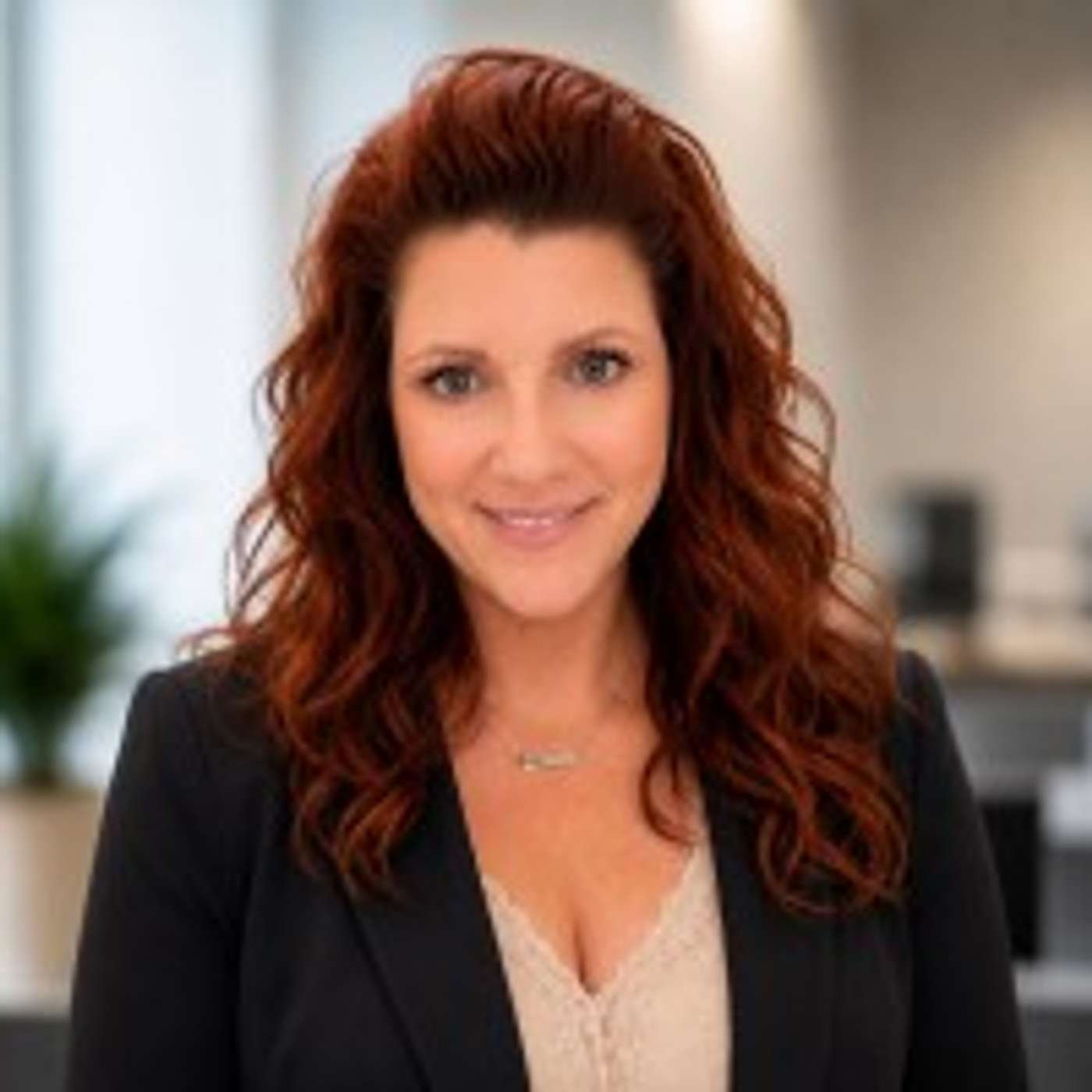
Energy resilience for homeowners is the mission behind Energy Access Innovations, a multi-brand clean energy company building an end-to-end ecosystem for solar and battery storage. Nicole Tomasin, Chief Commercial Officer at EAI, joins Tim Montague to explain how the company serves the consumers the rest of the industry ignores, including DIYers and rural markets.
Battery storage and solar access for homeowners is moving beyond coastal markets and high-income consumers. Energy Access Innovations has built a multi-brand portfolio covering distribution, DIY support, installation, and financing under one mission: making energy resilience affordable for every American. Nicole walks Tim through how the company’s sister brands, including EG4, Signature Solar, Outback Power, Solar 76, Sun Atlas Power, and EA365, work together to serve customers that most distributors and installers turn away.
The company’s new XR60 battery, 60 kWh with a 16 kW inverter for under $20,000, and its EA365 prepaid lease, which returns a 30% rebate directly to homeowners, are proof that affordability and transparency are not competing goals.
Here is what you will learn in this conversation about residential battery storage affordability and energy resilience:
- You will find out how the XR60 delivers 60 kWh of storage and a 16 kW inverter for under $20,000, why it ships as a single freestanding unit weighing 1,600 pounds, and when it arrives in market.
- Learn how the EA365 prepaid lease returns a 30% rebate directly to homeowners, making the residential ITC phase-out less damaging for consumers who no longer qualify for the tax credit.
- Understand why Energy Access Innovations built Sun Atlas Power, its own EPC company, to capture DIY customers who need installation help, and how it taps a network of 2,000 to 3,000 regional contractors already buying through Signature Solar.
- Find out why Tim pushed back on a California developer’s claim that consumer-owned residential batteries are done, and what EAI’s experience with DIY customers suggests about that prediction.
- You will hear why Texas surpassed California in storage deployment, how PJM grid services programs are generating returns that recover a battery investment in two to three years, and why Illinois is a priority market for EAI.
The residential ITC phase-out is compressing margins across the solar industry and pushing more customers toward third-party ownership models. Illinois is incentivizing 1.8 gigawatts of distributed batteries through its clean energy incentive program, and Texas has already surpassed California in storage deployment. Contractors who are not yet offering storage are running out of time to get positioned.
Connect with Nicole Tomasin, Energy Access Innovations
Nicole Tomasi: https://www.linkedin.com/in/nicole-santos-tomasin/
Sun Atlas Power: https://www.sunatlaspower.com/
Episode 325, James Showalter: https://youtu.be/7CoJQ_lTLkU
Connect with Tim
Clean Power Hour
Clean Power Hour on YouTube
Tim on Twitter
Tim on LinkedIn
Email tim@cleanpowerhour.com
Review Clean Power Hour on Apple Podcasts
The Clean Power Hour is produced by the Clean Power Consulting Group and created by Tim Montague. Contact us by email: CleanPowerHour@gmail.com
Corporate sponsors who share our mission to speed the energy transition are invited to check out https://www.cleanpowerhour.com/support/
The Clean Power Hour is brought to you by CPS America, maker of North America’s number one 3-phase string inverter, with over 6GW shipped in the US. With a focus on commercial and utility-scale solar and energy storage, the company partners with customers to provide unparalleled performance and service. The CPS America product lineup includes 3-phase string inverters from 25kW to 275kW, exceptional data communication and controls, and energy storage solutions designed for seamless integration with CPS America systems. Learn more at http://www.chintpowersystems.com
0:50
Now the utility companies are producing tariffs and rate structures that are trying to control the consumer's behavior. We want to put a product on the home where the consumer can control their behavior, and it doesn't matter what the rate schedule says, and it doesn't matter what the utility is charging them at any time, because they have the accessibility of the storage at any time they want it, and they can use it when they want. We don't want to discourage them from doing things at 5pm if that's when they're home and that's when they want to do laundry.
intro:
1:22
The clean energy industry is moving fast. The deals are getting bigger, the technology is evolving, and the stakes have never been higher. Welcome to the Clean Power Hour, the podcast for solar storage and microgrid professionals who want to stay ahead of it all. Each week, your host, Tim Montague, industry advisor and president of Clean Power Consulting Group, brings you unfiltered conversations with the leaders actually building the energy transition. Now, here's your host, Tim Montague.
Tim Montague:
1:57
Today on the Clean Power Hour, bringing true resilience and access to batteries to consumers. My guest today is Nicole Tomasin. She is the Chief Commercial Officer at Energy Access Innovations, a company that you may not have heard of, but you've heard of several of their sister companies, which include EG Four, Signature Solar, Outback Power, Solar 76 Sun Atlas Power, and EA 365 That is a mouthful. Welcome to the show, Nicole. I'm so excited to have this conversation with you,
Nicole Tomasin:
2:32
I am so glad to be here, and you're right, it is a mouthful. So, thank you for articulating for me.
Tim Montague:
2:39
So, for my listeners, you can check out episode 325 with James Showalter. He is the founder and CEO of Energy Access Innovations, and several.. he's the head of all of these sister companies, not necessarily the founder, but the founder of most of them, they did acquire Outback Power, which was an existing inverter manufacturer. But check out episode 325 with James, and you can also catch James often on the Solar Surge YouTube channel, so check that out. So, Nicole always like to start with just a little backstory on yourself. How did you come to the solar industry, and what is it that you do for Energy Access Innovations?
Nicole Tomasin:
3:21
Yeah, so I started in the solar industry 21 years ago, and it was by marriage, to be honest with you. So I was married to a solar electrician and started at a very small company in our hometown and transitioned quickly into really liking the industry and working for larger companies like NRG and Sonova, I worked for a company called Conner G, which dissipated out and now those those original folks that I worked with there work for Baywa, and Baywa bought that company, and I've, I've transitioned my career all the way through operations to sales, and now I'm the Chief Commercial Officer for Energy Access Innovations, where, like you said, it's a multi-brand clean energy portfolio company.
Tim Montague:
4:10
Yeah, and I experienced James as a mission-driven entrepreneur. He really is all about bringing energy independence to consumers, and we're at – we're at a perfect time. We're at an inflection point. I like to say in American society, this may have been – this inflection point was reached earlier in other geographies, but now in the US we're reaching a point where prices are going up enough, so the average, the everyday consumers talking about the cost of energy at the kitchen table, consumers and business owners, and we have the cost adoption curve right is bringing down dramatically the cost of batteries. It's already brought down the cost of solar. We have a ways to go still on solar, but it's batteries that have really now been unlocked for mass consumption, and so we're going to see a huge, huge wave of batteries coming into the United States now for the foreseeable future, and if you're not a battery installer yet, and you work in solar, you want to get on that train, because it is a wonderful thing. It's, it's really an amazing service that you can provide to your constituents, whether you're a developer, an asset owner, an EPC installer, whatever role you're playing, get in the solar and battery game, because it's good for the grid operator, and it's good for business owners and consumers. So, Nicole, give us a high level. What are your priorities with Energy Access Innovations? That's a lot of stuff you guys have going on, and I would love to hear a little bit about what. You get your fingers in, and what you don't get your fingers in.
Nicole Tomasin:
5:54
Yeah, so my focus now is making sure that homeowners and contractors have real accessible options for energy resilience, which is somewhere that I love to sit, and just so honored to be able to have this position for a founder like James, who every day, every decision is about driving costs down. We're building, you know, accessible high-performance solar and storage solutions for homes and businesses, and we feel that every decision we make every day is driving the cost of energy down, and we'd like to see it, and you know, in rural areas, in coastal areas, and anywhere in America be sitting at a point where it's affordable for every homeowner, solar and storage should not be the most expensive option for them, and that's our focus, and it's something that I'm passionate about. It's why I joined James at this company, and I get to, I get to live and breathe this every day with every interaction that I make with strategic partners, our sister companies, and in our products.
Tim Montague:
6:57
Well, what? How is Energy Access Innovations different than Signature Solar and EG Four and the other sister companies? Just clarify that for
Nicole Tomasin:
7:08
us. Sure, yeah. Energy Access Innovations is the parent company. It holds all the shared services, like HR, IT, learning and development, technical support, and all of the, the, the sister companies, as you called them, function independently, but also with each other, in, in a sense that we're all focused on the end product and the end consumer, so Signature Solar is the distribution arm of our products, but Signature Social Solar also distributes other products in the market, and that's how James got started. And you know, they get to live and breathe, bringing in quality products at really good prices and providing excellent service to homeowners. They are the number one place to go if you are a DIY customer and want to learn and know what you can do on your own for your own home has a very large division of technical support and customer support that helps and teaches customers to do their own solar and they get the benefit of having, you know, two sister companies that create products that are, you know, focused on energy resilience and driving costs to the, to the point, like I said, we want everything that we do to be about the end users' affordability of our products.
Tim Montague:
8:24
What put Signature on my radar was my consulting clients, who are EPCs, saying, you know, hey Tim, I've had such an amazing experience with Signature. When you call them, you reach somebody who's technically savvy, understands the products, knows what they're talking about, and is you have very, very good customer service. And I laud you guys for creating that system and hiring and training the employees the way you do that is super cool and great to hear. We need more good companies in the solar industry. We need better service. It's not that we don't need really good products and affordable products, of course. We want those things too, and it's, it's that's the perfect storm. You have to have good products at a reasonable price, and really good service, and very few companies can give you all three of those things.
Nicole Tomasin:
9:20
Well, to be honest with you, Tim, very, you know, there's very few companies that want those customers. Most of the distributors in the market, they don't want to talk to individual homeowners, they're not staffed for it, and they're not focused on it, and it's something that you know we take very seriously. Signature Solar has quite a few employees that are NAPSAT trained, they're trained on every product that's on the line card before it can even be sold. The whole company has to get trained in what's there, so we can service those customers that nobody else wants, and we love them, and it's our, you know, bread and butter that we do all day,
Tim Montague:
9:51
and it makes sense, right? If you're going to sell to consumers, if you're going to be a consumer-facing company, you really have to know your stuff, and, but, so you know, one of the interesting journeys that I, that, that I want to talk about early in this, in this discussion is that you're you're serving the DIY community, like that's the, that's the, the raison d'etre of signature solar to work with DIY customers who want to go solar and battery and do it potentially all soup to nuts themselves, or you know, design, order, install the system, and then it is somewhat of a continuum, right, because some of those customers are going to get into it and realize, oh, this is a little more complicated than I anticipated, I want to work with an installer, and Signature has a well, I'm not sure exactly how that works, but you. Find an installer, and now Signature is also well. Sorry, the EAI Energy Access Innovations has has established an EPC of its own. I don't know what the status of that is. Maybe you can address that, but that is also going to help customers install their systems, but so fundamentally we're talking about a company that has a very holistic mission in the industry. It's quite unique. There aren't really, to my knowledge, any other companies that are trying to bite off this entire scope, and that is a double edge. I am quite certain, because you, there are other companies that have tried to do some similar things with mixed results, but when, when you think about this, this, this, let's just call it a spaceship, now we're on spaceship earth, and you've got these different tools in your box with this mission, mission is let's give consumers energy independence and resilience in the face of whatever it is they're facing, they might be concerned about storms, hurricanes, fires, floods, whatever the, you know, ice storms, and but you're also, you're also doing some innovative things on the third party ownership side. So, how do we unpack this? I got out a little over my skis here. There's a lot to chew on.
Nicole Tomasin:
12:25
Sure, so you said it correctly. Signature Solar does provide all of those services, and the one thing that they were missing was to be able to service a customer that you know got to the end of this of the line and was like oh I might need a little bit of extra help here, maybe this is too much for me and I need to go find an installer, so now Signature Solar, by by starting the sister company Sun Atlas Power, which is the EPC, Signature Solar has a way to capture those homeowners that really did want to do at least some of it themselves, or you know, realize that they want a full installation, but they don't want to go the traditional installer route. We can transfer those, which is a warm transfer, to our own team and help them out if it's just electrical services, because they're a little, you know, concerned about getting into their main service panel. We can do that if they need a full install, we can do that as well. So we were losing those customers, and we felt like there wasn't another place in the market for them to go to get the same transparency and support, and they get that now with our own installer, and then you let it right into exactly what we're doing with the finance product. Is now those consumers that we've been servicing for a very long time, they've lost out on the privilege of getting a 20 5d credit, and we've created a prepaid lease through our company, EA 365 that those customers now can realize some rebate and some, you know, some action towards their cost and driving it down with the prepaid lease. We believe that transparency still can be had in a finance product, which I know a lot of the industry probably doesn't believe me that that can be that can be true, but we believe it to be true, and we're very upfront with our customers that their prepayment is going to get when the, when the system is placed in service, we'll get a 30% rebate back to them. It's not going to go to a sales rep, and it's not going to go to a contractor that hides it in something else, and we think that this ecosystem in the spaceship, like you said, can service these customers, and they don't get lost, because, like, I told you before, most of the distributors in places where you can go to buy solar and solar parts and storage, they don't want to deal with a customer, which is our bread and butter, and stuff that we do all day long, and we're highly focused on it, so we feel like we can offer them a very good product that is vetted by, you know, Signature Solar or as created by EG Four or Outback, and we can help them along in their own install. And by the way, I, what I didn't mention was EA 365 Outback and EG Four Advantage programs allows DIYers to participate as well, so it's the first of its kind on the market that a DIY er can participate in a program like this, place a system in service, and we will give them a, you know, a rebate of 30% off of their prepayment.
Tim Montague:
15:24
I don't see how you can possibly do that. How can you allow for for hundreds or 1000s of different homeowners to install solar and batteries, and then take responsibility for that installation, and be a long-term asset owner.
Nicole Tomasin:
15:43
Well, it's the how we do it is exactly what I just would, what I just, you know, laid out for you in our. Are on our ladders of support, so we know these customers, we've dealt with them all day, we support them every day of the week, and we have all of the support needed for them to do this, and us take responsibility for the product, we have the contractor on on staff, we have the, you know, the finance product to give them, and we know the product that they're buying and installing, so we've worked very hard to get this to the endpoint where we can offer it to the consumer. We actually just recently launched this in the last two months, and we're having success with it already.
Tim Montague:
16:28
And so, talk to me about geography, you're based in the Texas market.
Nicole Tomasin:
16:35
Yeah,
Tim Montague:
16:36
how many states are you actively working in? Is it, is it different for all the different sister companies, or are you like, no, we're just all in on 50 states? Or how does that work?
Nicole Tomasin:
16:47
Yeah, so Signature Solar provides product to all of the US states, Canada, Latin American countries, Caribbean, and some stuff in, in Africa as well. Eg four is doing the same thing with their products. Signature is selling their products, and EG four is selling to others outside of Signature Solar in, in the US, in Canada, in the Caribbean, and Alpac, as well, and Alpac has a European product that is being sold that we, that we have from our acquisition with them. So, yeah, multinational, and you're right, it all centers around Central Texas, and our headquarters are out in a community called Sulfur Springs, and our manufacturing plant is not very far away from that in Commerce, Texas.
Tim Montague:
17:39
And as far as third-party ownership, the EA 365 product, how many geographies is that available in?
Nicole Tomasin:
17:47
Currently, we're open in Texas and California, and we're working very closely with Sun Atlas Power, EPC, of where we're going to open next. It is also offered to EPC contractors and other distributors to sell as well. It's not just for DIYers, so our EPC sells it, and we have other contractors that want to, you know, that participate in the program as well.
Tim Montague:
18:11
Well, surely you're coming to Illinois.
Nicole Tomasin:
18:14
Yes, we will be.
Tim Montague:
18:18
I mean, Illinois is a top five DG market now. Some people, some people say Illinois is the number one DG market in America now. You know, it depends on exactly how surgery plays out. Surger is incentivizing the installation of 1.8 gigawatts of DG batteries, residential scale or light commercial scale batteries, and then three gigawatts of utility scale, so a lot of batteries, a lot of batteries for Midwestern market. Anyway, it's not necessarily a lot by California standards, or necessarily Texas standards, even by
Nicole Tomasin:
18:53
Texas. Yeah, Texas just surpassed California in storage deployment, right? Illinois is going to be Illinois, is you're right, Illinois is a definite focus for us as well.
Tim Montague:
19:03
Yeah, one of the trends I'm really keen on is the storage alone trend. We see companies like Base Power pursuing third-party ownership in Texas, they've now come to Illinois to ComEd territory, initially in northern Illinois. Illinois is divided by three IOUs, northern Illinois is ComEd, central and southern is Ameren, and then over by Iowa there's Mid American in the Quad Cities area, but
Nicole Tomasin:
19:34
right,
Tim Montague:
19:34
and then we have a bunch of co-ops and munis as well, and I'm a huge fan of public power, that's co-ops and munis, but it's a mixed bag, because sometimes they don't necessarily play ball with the programs, it's a mix, yeah, it's, it's, it, there are some incentive programs in Illinois that the public, that the cops and munis participate in, and some that they don't, but so let's talk about affordability, and how we define affordability, and how you see that unfolding. One of the, one of the things I say is that about well, less than a percent of consumers have a battery in their garage today? In 10 years, it could be 50% it could be a huge number. The battery is the, is the, the asset that consumers largely don't know, don't know really what it does, and but soon will, because they're concerned about their energy prices, the cost of energy, and they're concerned about resilience, and and the need for resilience is growing because climate weirding is growing, but How do you see, how do you frame a four. Affordability, and how do you solve for affordability?
Nicole Tomasin:
20:55
I think you know we, we, we have two different battery brands and product companies, and EG four has been focused, highly focused on this for quite a while, since its inception, of getting batteries to the point where they're affordable for every American, and you know the it's the key to their energy independence and resilience, we are creating, which we've already put out into the market. We showed it at Inner Solar, and you can see, like you said, you can see James and some others on some YouTube videos about the new product that we have, which is the XR 60. It's a 60 kilowatt hour battery, which will be retailing probably under $20,000 for 60,000 or 60 kilowatt hours. Sorry, that's including the inverter. Yes, so yeah, yeah, a 16 kilowatt inverter is included in that retail of around 20,000 or a little less, so we're going to see that product in market, probably in Q, and we're very, very excited about it. It solves problems for lots of different people in the, in the market, it solves problems for consumers, it solves problems for EPC contractors, and it solves problems for programs that are accessing and you know monetizing grid services and VPPs, so it will provide true energy independence to consumers at a price point that we, the industry, hasn't seen yet.
Tim Montague:
22:28
Yeah, that is, that is pretty cool. I mean, a 60 kilowatt hour battery is plenty for most American homes to have a couple of days of resilience, and of course, if you have solar also, then the solar can give you indefinite resilience with a battery that large
Nicole Tomasin:
22:54
at a price,
Tim Montague:
22:55
especially, especially if you're in Texas.
Nicole Tomasin:
22:57
Yeah,
Tim Montague:
22:58
where you have very sunny skies,
Nicole Tomasin:
23:00
very true. And you know, there's been a focus on the coastal areas, I think, heavily for battery companies, because that's where generator businesses, because of storms and weather events, we see the middle of America being, you know, a prime customer of ours, and rural America, we don't want those customers to feel left out. We want to focus on them as well, and this product can be in both places. It does provide resiliency in places that do have massive weather events, and we, you know, we're seeing them high fire danger zones, where I live in Northern California, hurricanes and tornadoes, and you know, all those power outages, ice storms, like we talked about before. This product services all of that, but it also services homeowners and consumers in areas where even their electricity is still at 12 or 13 cents a kilowatt hour, and they can have a product like this be as off-grid, grid-tied as they want to be, and if they pair solar with it, we could probably see, you know, energy prices coming down with product like this close to 10 cents a kilowatt hour for every American, and that's a goal, that's a goal is to continue to keep driving towards that, and we see the XR 60 is our first step there.
Tim Montague:
24:17
The SR 60x X, yeah, XR 60 sounds like a military aircraft.
Nicole Tomasin:
24:29
Maybe the military will want it to the nice thing is, is you deploy it on the side of the home or on property, and if you need to move it, you can, so it's not, you know, permanently mounted to a wall.
Tim Montague:
24:44
Oh, interesting. So it's standalone,
Nicole Tomasin:
24:47
it is. Yes, it's it's going to stand on property like a, like a generator or an air conditioner, and provide you know as much, as much resilience and independence as a homeowner wants,
Tim Montague:
24:58
so it sits on it sits on a pad.
Nicole Tomasin:
25:01
Yes, yeah,
Tim Montague:
25:02
yeah, yeah. I mean, it makes sense, right? A 60 kilowatt hours is, is pretty heavy. I don't know how much, how much that unit weighs. Do you know offhand how much that unit weighs
Nicole Tomasin:
25:11
1600 pounds.
Tim Montague:
25:13
Wow, yeah. And is it modular?
Nicole Tomasin:
25:18
No, it's all one unit.
Tim Montague:
25:20
It's a unibody.
Nicole Tomasin:
25:21
Yeah, and it is fiat compliant and domestic content eligible.
Tim Montague:
25:26
Yeah, let's talk about that. How do you achieve those often sought after qualifications.
Nicole Tomasin:
25:35
Well, we announced a very large partnership with LG, and we house the LG battery packs inside of the XR 60, and we are manufacturing this in Commerce, Texas. We are an American company and based out of Texas. Like I said, headquarters in Sulfur Springs, and the manufacturing of this product is happening in Commerce, Texas, in our own manufacturing plant,
Tim Montague:
25:59
and the LG. Yeah, we reported recently that LG now has five battery factories in the US, and in various stages of ramping up, but they are, they do have batteries rolling off the line now, don't they?
Nicole Tomasin:
26:17
They do, yep, they have American cells, they have Canadian cells as well, and then they have pack companies in, in America as well.
Tim Montague:
26:27
Yeah, so that's that's cool, so that, but you think that you think that$20,000 price tag. Well, when is when is the official availability of the XR 60?
Nicole Tomasin:
26:40
I believe we're going to see it into the market in September. We already have test units now, and so we've, you know, worked through our certifications, we're working through our production builds on them, and we'll see production go into market. I believe September or early October.
Tim Montague:
26:56
The Clean Power Hour is brought to you by CPS America, maker of North America's number one three-phase string inverter, with over 10 gigawatts shipped in the US. The CPS product lineup includes string inverters ranging from 25 kw to 350 kw. Their flagship inverter, the CPS 350 kw, is designed to work with solar plants ranging from two megawatts to two gigawatts. CPS is the world's most bankable inverter brand and is America's number one choice for solar plants. Now offering solutions for commercial utility ESS and balance of system requirements. Go to Chintpowersystems.com or call 855-584-7168 to find out more. Yeah, I mean, the number that that stuck in my head historically was you for off-grid capability, for you know, a 1500 or 2000 square foot home, you want a 30 kilowatt hour battery and approximately a 10 kwh solar array, and but it totally depends on your geography, right? How hot and extreme the weather is. So, how much you're running your HVAC, and how much sunlight you get for your solar array? Is it cloudy, rainy, whatever? And obviously, in a, in a harsher, more northern climate, you're going to need a little more solar and perhaps a little more battery, but that, and the inverse is true down south, I mean, you'll need a lot of battery, but less solar in a hot, humid environment where you have a lot of HVAC load,
Nicole Tomasin:
28:42
correct? This product allows homeowners to do what they want with their energy, right, and we've seen in the history of battery storage becoming more popular, we've seen the, oh, let's sell one Powerwall, and it will be, you know, partial home backup, two Powerwalls will be whole home backup, and then now the utility companies are, you know, producing tariffs and rate structures that are trying to control the consumer's behavior. We want to put a product on the home where the consumer can control their behavior, and it doesn't matter what their, the rate schedule says, and it doesn't matter what the utility is charging them at any time, because they have the accessibility of the, of the storage at any time they want it, and they can use it when they want. We don't want to discourage them from doing things at 5pm if that's when they're home, and that's when they want to do laundry, we were going to put, give them a product on their, on their home that they can do that with, and being as off-grid, grid-tied is is a thing, and we haven't been able to see that unless you're putting quite a few wall mounts on the side of a house or inside of a garage, now we can put this on the side of a home, sit it like an AC unit or a generator, and homeowner has complete control of how they want to use their power and how they want to, you know, run their home.
Tim Montague:
30:54
Yeah, now the fact that you're entering Texas and California with the with the third party ownership program signals a little bit to me that you are focused on places where the battery has some guaranteed value stack. Is are the VPP programs in those states important?
Nicole Tomasin:
31:16
Yeah, so California, I think, is struggling with their program and refunding, and how that's working out. Texas definitely has opportunity. You stayed at Illinois. We know that has opportunity anywhere in PGM territory has great opportunity for grid services. I mean, some of those programs are highly profitable, and we could see returns of those with the XR 60, you know, fully paid back in two to three years, just. From a grid services program using the battery, so we think it solves a lot of problems that consumers have currently, and it's the solution to many different ones, many different of those problems.
Tim Montague:
31:56
Yeah, it's funny because we're all excited about Surja, and it bringing official VPP to Illinois, but we, for all intents and purposes, we've already had VPP in at the commercial scale with software as a service customers like Intelligent Generation, who are using the battery for grid services. It's a behind the meter solution, but they can provide front of the meter services in PJM,
Nicole Tomasin:
32:25
right,
Tim Montague:
32:25
like frequency regulation, they're attacking capacity charges. We have relatively low demand charges in Illinois. If it was California, you would attack demand charges. I'm not sure about Texas.
Nicole Tomasin:
32:36
Yeah, yeah, all over the country it's different, but you're right. Demand charges is, is definitely a target,
Tim Montague:
32:41
and, and what Resi resi installers don't realize is that in commercial capacity and demand charges are extremely important, they could be 30 to 50% of a customer's bill,
Nicole Tomasin:
32:53
correct,
Tim Montague:
32:54
and batteries are the perfect technology to attack those charges, and and all right, so what else should I mean, I do want to talk a little bit about skating to where the puck is going. One of the things that bothers me about the energy transition, as it's going so far, is that while we're somewhat struggling as a nation to really lean into the clean energy transition, it's happening, and and the cost of the technology is one of the major driving forces, you know, the phase out of the residential ITC, though it hurts, and it is squeezing the residential solar industry,
Nicole Tomasin:
33:55
right,
Tim Montague:
33:56
and the reaction is two fold right now, migration to commercial and the importance of third-party ownership in the residential space. A developer slash EPC in California, yet just yesterday told me, Tim, the days of consumers owning batteries in residential batteries in the California market are done, and I think Signature Solar is probably proving him wrong.
Nicole Tomasin:
34:25
Yes,
Tim Montague:
34:26
but and he sees things through a through colored glasses because he is a third party owner provider ownership provider. But anyway, because of the phase out of the ITC for residential, and that includes residential storage, right, for the consumer, now you're able to bring that back to the consumer as a commercial entity that's going to own residential batteries on mass, and then you're going to feed that back, and that's fascinating. You're the, you're the only company I've heard of that's doing that, of giving that incentive, that 30% tax credit, back to the consumer when they do a prepaid lease. Tell me a little bit about the thought process behind that, and how does that, because that that impacts your bottom line as well. Why can't, why can't all third-party providers do that?
Nicole Tomasin:
35:18
Well, they, they do provide some type of payment for the homeowners' tax credits, right. So, basically, if you look at it as they're buying the tax credits from the homeowner and they're paying the EPC contractor for that, homeowner doesn't see that, and I think a lot of homeowners don't even understand how that works, and what percentage they are getting, and what percentage should be coming off of their total price, where we're showing that up front, and we're going to give them, you know, that rebate to them directly, so they know exactly what that is, and if they were going to realize 30% on their own taxes, you know, in a prior year to now, then they can still achieve 30% in a rebate back from the manufacturer. We just don't see that the other third-party finance companies, especially the prepaids, are showing transparency because they're not forefront to the customer either, right. So it's usually a sales rep of an ABC contractor that's selling a product, and we see a lot of these wrapped with loans, so contractors finding some kind of financing for the prepayment, and then they're getting paid directly from the third party finance company. So we have relationships with EPC contractors. We will be paying them for the install, but the benefit of the tax credit we want to see as a rebate back to the homeowner. It's, it's in our, it's in our blood, it's what we do, and we didn't find a product that was on the market that could service this, so we created our own.
Tim Montague:
36:55
So, let's talk about the evolution of how you're going to market and where your gut, where you're taking, where you're taking the company right now, you're very focused on residential solar and storage, and but you also have some ideas about commercial. What are your thoughts about commercial?
Nicole Tomasin:
37:23
Yeah, so thank you for asking. Eg, for will be launching their first commercial battery product at the end of this year. I don't have the exact date, but I know it'll be by Q4, and that is called the XLR 240 so a 240 kilowatt hour battery with a 60 kilowatt inverter attached to it, a small container. I don't know what that one weighs yet, so I apologize for that, but that we believe is a very good step into small commercial, where we see a lot of residential contractors, like you've spoken to, you know, you spoke about before, are moving to, and this will be something that they can recognize with our regular products, it will have similarities on the inverter side, the installation of it, the commissioning of it, all of that. We will, you know, continue on from our product line that they're used to, and they can dabble in some small commercial with, you know, a fully contained product at 200 Phillip 40 kilowatt hours.
Tim Montague:
38:22
Very cool, and presumably Signature Solar is going to have to start to mix up its product portfolio as well, that's, you know, because commercial commercial solar is apples and oranges from residential solar. The solar modules are larger.
Nicole Tomasin:
38:48
Yep,
Tim Montague:
38:49
the racking is mostly flat roof, as opposed to slope roof, and you know, in residential it's almost all flush mount, and in commercial it's almost all flat roof ballasted, for example,
Nicole Tomasin:
39:03
or ground mount, right,
Tim Montague:
39:04
or ground mount, or carport,
Nicole Tomasin:
39:08
which, thank you for bringing, thank you for bringing that up, because Signature Solar already services commercial customers, and it's just not highlighted a lot, so half of the module portfolio on the line card is large commercial modules, and Signature Solar services and moves quite a bit of the larger format modules, and they do have commercial mounting, commercial carports, like you said, and and rooftop flat rooftop solutions as well. So the 240 kilowatt hour battery product will, you know, align with what they are already doing in the commercial space, Signature Solar doesn't just service homeowners, they have a whole other side of the business that's called the strategic sales side, and they service to, I think, it's between two and 3000 active contractors across the country.
Tim Montague:
40:02
Very cool, very cool, I Well, I want to talk about resilience, but before we do that, are there other aspects of the company? Oh, we should talk a little bit about the EPC strategy.
Nicole Tomasin:
40:18
Yeah,
Tim Montague:
40:18
with Atlas, it's Atlas Solar
Nicole Tomasin:
40:21
Sun, Apple,
Tim Montague:
40:22
EPC, Sun Atlas. Sorry, so you know there's there's been a litany of bad news coming out of the national installation segment of the solar industry, so that's appears to be a challenging segment, and then you have some OGs in the industry, like Barry Cinnamon, who we talked about in the pre-show a little bit, you know, who's kind of famous for having pivoted away from having a national EPC, he's hunkered down in Northern California, in the Bay Area, and he's a regional installer, and he's diversified into heat pumps and EV charging, like many installers, but he won't touch going national with a 10 foot pole. So, how do you solve, solve for that, so to speak? It's, it's a very – I would say a brazen move, but I support it if it works. But tell us about the thought process in, in rolling out Sun Atlas.
Nicole Tomasin:
41:29
Right, so let's, let's re-discuss the strategic sales side of the business, and the two to 3000 EPC contractors already buying through Signature Solar. Sun Atlas Power will use that network. Of installers that have the regional knowledge and expertise for installations, so they will be a national installer network, tapping into our current customers that we already have and know and have intimate relationships with in their business. We are licensed in a very large aspect of the United States, and will continue to be licensed in other areas that we're not in yet, but we will be tapping into our current customer base in those areas for their regional expertise and providing our customers that want installation a path to that with a very controlled and transparent fashion,
Tim Montague:
42:26
so you're not, you're not necessarily propping up a construction company,
Nicole Tomasin:
42:30
correct,
Tim Montague:
42:30
from from the ground up, you're going to work with an, with a network of installers, many of whom are already in business.
Nicole Tomasin:
42:38
Yes, yes, that is a requirement that they've been in business and we understand what their business is, and they fit into, you know, this, the recommend the requirements that we have to be doing business with. So,
Tim Montague:
42:52
so let's, let's talk about that. What is the ideal customer profile of an installer that would meet your criteria for Sun Atlas?
Nicole Tomasin:
43:00
I think if you talk about regional expertise, that's definitely the top priority, that they know their market, they know what they're doing in those markets, they understand the HJs, they understand any interconnection complexity, insurance complexity, whatever it is for those areas, we want to see complete, you know, expertise in that, in those things that we know could bog down a very large national installer that doesn't understand each region. We're going to lean on those things. We want to see successful installations. We've been working with these customers, a lot of them, for many years now, and we already understand what they're doing, because they're buying from us, and we have a, I don't have the full criteria of everything that is required, but you could understand that the business that we do with our customers means something to us, just like it does with our homeowners, and we've, you know, we've vetted and paid attention to what our installers and our customers on the install side are doing, and we've targeted the ones that we wanted to work with the most. So, there is opportunity. There's opportunity for others too. And you know, if there's contractors that do want to work with Sun Atlas Power, they can contact them. That's very easy to get a hold of them, or contact Signature Solar as well, and we'll be providing the equipment for them, and, and then they can, you know, do what they do best, and install for us, and, like I said, if the homeowner only wants electrical work and they want to do the rest, then we work that out with the, with the contractor, or if they want to complete turnkey and install, we can do that as well.
Tim Montague:
44:43
Okay, and Sun Atlas Power is just like it sounds, Sunatlaspower.com
Nicole Tomasin:
44:47
Yes, it is. And if you scroll to the bottom of the website, it tells you all of the states that they're operating in currently, and more to come. Yeah,
Tim Montague:
44:58
and yeah, so right there on the landing page. Well, then there's a link to locations, and then there's a nice map, and you're in well over half of the states in the US now, which is super impressive, and I'm happy to say that big parts of the Midwest are in your, in your jurisdiction already, Texas, Louisiana Mississippi, Alabama, Florida, Arkansas, Tennessee, Kentucky, Illinois.
Nicole Tomasin:
45:33
We've seen a lot of these states, you know, a lot of them haven't had a true focus from the solar industry, because it's just literally too far to walk from one house to another, to you know, door to door, so we've seen large concentrations in highly populated, you know, densely populated areas for door to door sales, and these states don't get that, because it takes sometimes 1015, minutes to walk from one house to the other, and that, you know, that's a difficult way to to administer door to door sales, so we don't think that we haven't forgotten them, and this is, you know, these are customers that live and breathe everything that we live and breathe every day, and we want to continue to make sure they're a focus of ours.
Tim Montague:
46:20
I love that mission, bringing, bringing solar and batteries to rural consumers. It's not just rural consumers, obviously. The, there's no reason you won't service,
Nicole Tomasin:
46:33
oh, for sure,
Tim Montague:
46:34
urban consumers as well. But you're, you're absolutely right that the industry has a. Has left the more rural parts behind to some extent, and you know, to those states' credit, where you do have community solar, that's at least unlocking solar for many other consumers who may not consider going solar, but this is a, I think this is a very important innovation that that EAI is making, and I like your mission of, you know, bringing solar and battery down to 10 cents a kwh, like that's that's a, that's a worthy goal and I just got, I just got an email from Ameren. I live in Ameren territory here in Central Illinois, saying that my supply charge for KWH is going up 25% the first week in June of 2026 literally 25% Now I still only gonna be paying 11 and 11 cents and change
Nicole Tomasin:
47:49
per
Tim Montague:
47:49
kwh. So my colleagues and listeners in California are gonna go, 'Hey, Tim, you got nothing to worry about, bro. I
Nicole Tomasin:
48:00
am, yes, and from five to nine, I think I'm at 54 cents a kilowatt hour, so yes, yeah, you have nothing to worry about, but we still think that you're a customer, right? And you can be, you can be energy independent as much as you want with a very affordable product,
Tim Montague:
48:17
yeah, and that's one of the barriers. Historically, cheap power has been a barrier to entry for solar and batteries, and, but we like, like I said earlier in this conversation, we have achieved a, an inflection point in the pricing of batteries, and, and that's only going to accelerate, because as adoption increases, I think, as we – I think the statistic is, as we double the amount of consumption or adoption of a technology, we reduce the price by at least 25% something like
Nicole Tomasin:
48:54
that.
Tim Montague:
48:55
And so it is – there is a flywheel, and more is better, and more is even more better, and away we go,
Nicole Tomasin:
49:04
and we want, we want everybody in the market to do the same. We don't see a lot of competition. What we see is that we need to, you know, band arms and provide more solar and storage. There's not enough companies to do it currently, and we want more to do it, and we want more to bring their costs down and meet us at the bottom instead of driving cost up and increasing margin. We want to see everyone in the market do the same thing. We just think we're going to be the first ones to it, because nobody's really focused on
Tim Montague:
49:40
it. Hey guys, are you a residential solar installer doing light commercial, but wanting to scale into large C&I solar. I'm Tim Montague. I've developed over 150 megawatts of commercial solar, and I've solved the problem that you're having. You don't know what tools and technologies you need in order to successfully close 100 kw to megawatt scale projects. I've developed a commercial solar accelerator to help installers exactly like you. Just go to Cleanpowerhour.com click on strategy, and book a call today. It's totally free with no obligation. Thanks for being a listener. I really appreciate you listening to the pod. And I'm Tim Montague. Let's grow solar and storage. Go to Clean Power Hour and click strategy today. Thanks so much. All right, well, we're almost out of time, Nicole. I could talk to you all day, but what else? What else would you like our listeners to know before we say sayonara,
Nicole Tomasin:
50:44
I mean, I think we covered so much today, and I appreciate the candid discussion about the industry and where we think it's going. We just, you know, really want to focus on driving costs down, like I said, and providing really good products to any consumer that wants that wants to be using them, and they have multiple uses, like we talked about, the 60 kilowatt hour battery is going to service lots of different grid services programs and VPPs. It will service off-grid customers in a way that they haven't had before, and we want to continue to innovate, and then just keep looking out, because you'll see some other interesting things from us this year that we haven't announced, so we're, we're pretty excited about the direction that we're headed.
Tim Montague:
51:30
Very cool. right. Well, I want to thank Nicole Tomasin, Tomas
Nicole Tomasin:
51:31
All Tomasin. I appreciate you trying.
Tim Montague:
51:46
Chief Commercial Officer at Energy Access Innovations, the parent company of EG4, Signature Solar, Outback Power, Solar 76 manufacturing, Sun Atlas Power, and EA 365 And if you want to learn more about the Clean Power Hour, you can check us out at Cleanpowerhour.com Tell a friend about the show, that's the best thing you can do to help others find our content, and connect with me on LinkedIn. I love hearing from my listeners, and I use LinkedIn actively. Nicole, how can our listeners find you?
Nicole Tomasin:
52:19
Same way, you can find me on LinkedIn, I'm very active on LinkedIn, and love to have interaction, so please come and find me if you have any questions.
Tim Montague:
52:27
Fantastic, I want to say thank you. And let's grow solar and storage. I'm Tim Montague. Have a great weekend.