Clean energy company culture is what separates good solar EPCs from great ones, and Mynt Systems CEO Derek Hansen has a name for how he builds it: inspire, empower, support.
Company culture in the solar and storage industry gets talked about far less than it should, and this episode makes the case for why that needs to change.
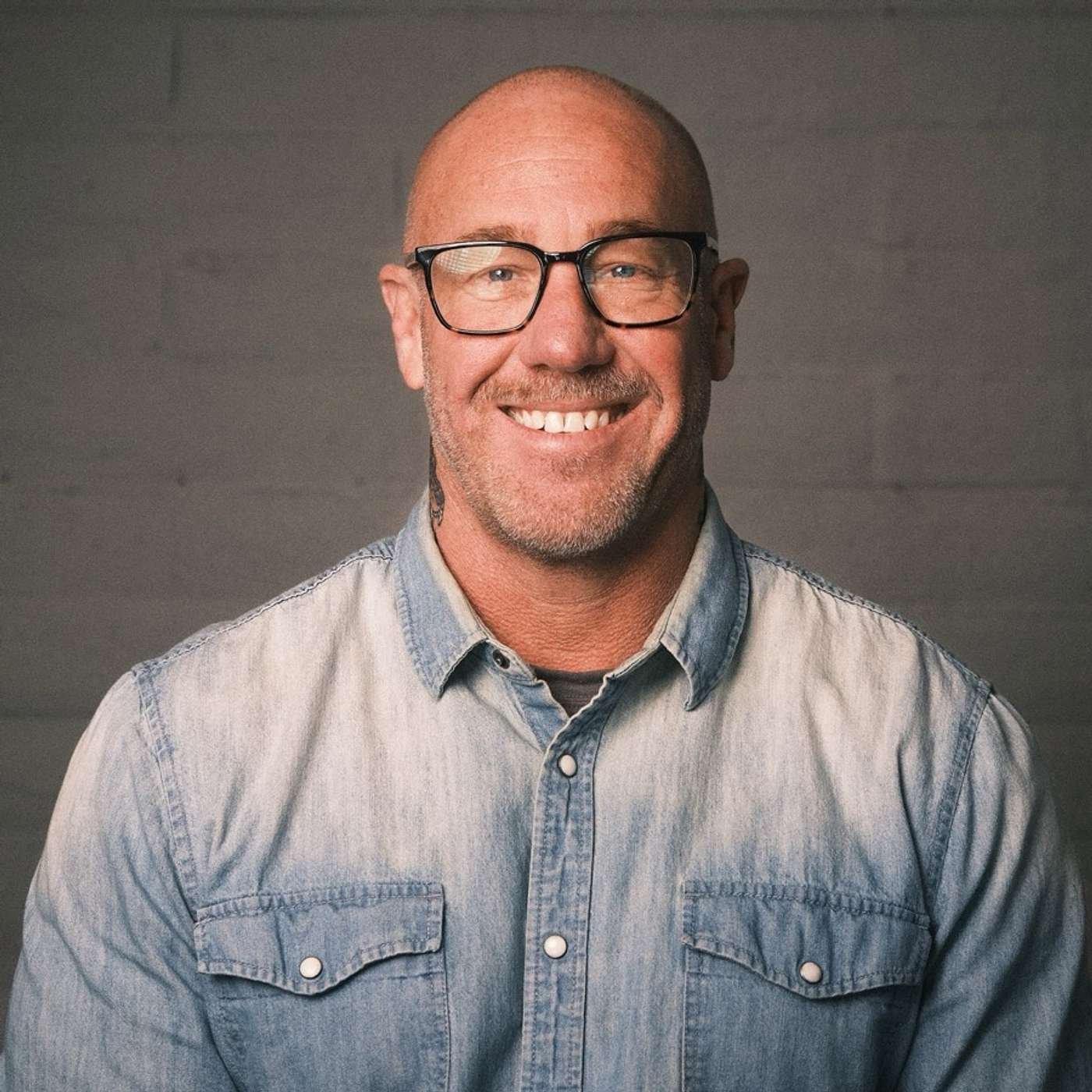
Derek Hansen is CEO and co-founder of Mynt Systems, a vertically integrated development, engineering, and construction firm that builds solar and battery storage projects for commercial real estate owners and other solar developers. Tim Montague hosts this conversation, framing it around a question that gets skipped in the industry: what actually separates a good company from a great one.
In this episode, you’ll learn:
- Why Mynt Systems is shifting its project mix from mostly solar toward majority battery storage
- How Derek Hansen’s inspire, empower, support philosophy drives EPC leadership
- What personality assessments and one-on-one conversations reveal about a team member’s strongest work
- How Mynt Systems built a buddy system to pair complementary skill sets on project teams
- Why Mynt Systems chose to unionize its install crews under IBEW after California’s new prevailing wage mandate
- The reason Hansen ties personal significance and legacy to day-to-day work at a growing EPC
If you work in solar, storage, microgrids, or the broader energy transition, this conversation offers practical insights into building stronger teams, creating meaningful company cultures, and preparing for the next phase of distributed energy.
Connect with Derek
Connect with Tim
Clean Power Hour
Clean Power Hour on YouTube
Tim on Twitter
Tim on LinkedIn
Email tim@cleanpowerhour.com
Review Clean Power Hour on Apple Podcasts
The Clean Power Hour is produced by the Clean Power Consulting Group and created by Tim Montague. Contact us by email: CleanPowerHour@gmail.com
Corporate sponsors who share our mission to speed the energy transition are invited to check out https://www.cleanpowerhour.com/support/
The Clean Power Hour is brought to you by CPS America, maker of North America’s number one 3-phase string inverter, with over 6GW shipped in the US. With a focus on commercial and utility-scale solar and energy storage, the company partners with customers to provide unparalleled performance and service. The CPS America product lineup includes 3-phase string inverters from 25kW to 275kW, exceptional data communication and controls, and energy storage solutions designed for seamless integration with CPS America systems. Learn more at http://www.chintpowersystems.com
0:50
People want to know that what they spend their life doing has has real meaning in the world, and so what I think inspiration is is attaching your some of your own need for significance or impact to what it is the company is doing and why.
intro:
1:09
The clean energy industry is moving fast. The deals are getting bigger. The technology is evolving, and the stakes have never been higher. Welcome to the Clean Power Hour, the podcast for solar, storage, and microgrid professionals who want to stay ahead of it all. Each week, your host Tim Montague, industry advisor and president of Clean Power Consulting Group brings you unfiltered conversations with the leaders actually building the energy transition. Now, here's your host, Tim Montague.
Tim Montague:
1:44
Today on the Clean Power Hour, the difference between a good company and a great company. I bring many solar companies onto the show, but we seldom talk about what are the key differentiators between good companies and great companies. So we're going to do a deep dive today with Derek Hanson. He is the CEO and founder of a company in Santa Cruz, California, called Mynt Systems. Welcome to the show.
Derek Hansen:
2:10
Hey, thanks so much, Tim, for having me. I appreciate it,
Tim Montague:
2:12
Derek. Why don't you set the table a little bit, though? What's your background? How did you get interested in energy and clean energy specifically? I
Derek Hansen:
2:21
grew up around a company that my parents started, got bit by the entrepreneurial bug, moved from Southern California up to Northern California, and decided to start a company. It was in the glazing industry, so it was aftermarket coatings and and glazing technology for inhabited comfort level improvement and and energy efficiency. I studied architecture in school and quickly realized that it was not as creative and dynamic as I thought it would be. It was very driven by code and customer wants and wishes, and you know I had lofty ideas of the Frank Lloyd Wright kind of idea of architecture, and and so I quickly pivoted into construction and wanted to actually go build the things that I had been studying and learning about, and and spent some time in the construction industry learning different trades. Meanwhile, Dad talked me into coming back and joining him at at his company. My dad, being kind of old school, started me at the very very bottom and and gave me the opportunity to to do all the the the worst jobs and work my way up and prove myself. And so, over many many years, I think I was with the company for almost 18 years, and eventually held the seat of CEO there for for quite a while, where we went into a phase of of kind of rapid growth. The intention for me was to grow the company to a much larger scale, so that someday my parents would have something to retire with, and we successfully did that and sold the company. Company's still up and running, over 50 years old now. What space is that
Tim Montague:
3:52
company in? That just
Derek Hansen:
3:54
the glazing. It's in the glazing industry. Okay. Glass. Yeah. It's it's window films and aftermarket coatings, high high tech glass glazing, secondary glazing systems, things like that. And so while working there, I had gotten a very clear viewpoint on where the industry was headed around energy efficiency had pushed that company into being a strong player in in the components of energy efficiency, glazing being building envelope being a huge one, having a massive effect on energy consumption at the you know large scale commercial properties, and I ended up consulting and working for a lot of the large ESCO companies in in specifically California, but nationally, and got to see a little bit more about the complete full wrap approach to kind of a holistic approach to building science, and so I got to see a little bit more clearly what was coming down the pike, you know, for smaller mid tier companies, which was where that market space was evolving to where it wasn't just a technology here or there. It was what happens when you combine all of them. So when we launched this company, the intention was to be a vertically integrated, technology-agnostic approach to building improvement, high-performing buildings. In the early days of this company, we did a lot of work around energy efficiency, and then looked at the new base load, and then went to offset that with the remaining load with with solar. At the time, batteries were a little nascent technologically, and have now become more ubiquitous. And so, over the arc of this company, founded in 2014, we a few years in realized that the low-hanging fruit, quote unquote, of energy efficiency was being handled in a lot of cases by, you know, highly educated facilities managers and you know in-house, let's say, and so we had. Adjusted to say, okay, let's really double down and focus on bringing solar and eventually battery storage and other some other generation technologies to to bear, but in in a specific niche, which was that mid market industrial space, where it was we felt that it was a broad market, a broad addressable addressable market, but it was also very underserved and very fragmented. People who owned or operated businesses and buildings didn't necessarily know who to turn to at the time. Was it the consultants? Was it the engineers? Was it the contractors? Who do we talk to? How do we get something going with solar? And we chose to take on the approach of being vertically integrated again, which was you know development consulting, you know the engineering, the construction, and then ultimately the asset management of these systems we were building. So that was early, and it was a tough climb, and it was it was a lot of you know banging our head against the the wall to to keep revenue flowing and build the relationships and kind of approaching it in a slightly different way than maybe others in the market and yet over time it played out to be a good bet and so the company has has grown significantly and now we're we're we're in this kind of a second phase of rapid growth here. The
Tim Montague:
7:14
Clean Power Hour is brought to you by SDE Sinclair Designs and Engineering, fixed tilt and carport racking, design, engineering, permitting, and manufacturing all under one roof in Michigan. No outside vendors, no waiting in someone else's queue, just fast turn around and steal that ships when you need it. Ask Ag Energy Co. in Illinois or Sunrise Solar in the Mid-Atlantic; they'll tell you what it's like to work with the Sinclair team. SDE everything in house. Visit Sinclair-Designs.com. Now let's talk about where Mynt System stands today and why storage is about to flip the business.
Derek Hansen:
7:57
Over the last, let's just use the last, let's say, three years, a big chunk of our business has been as a EPC for for other solar developers that have carved their own niche. While in the background, we have a core focus in real estate, commercial real estate owners, investors, brokers, and helping them wrap their arms around solar for their tenants and how to utilize a split incentive and how to make that make sense, unique finance kind of structures and so on. Recent times, we have accessed some much bigger players in the market that are some of the largest real estate commercial real estate owners in the in the in the world, and and some of the biggest owner operators out there, and and I'd say the mix between solar and battery historically has been something that would probably be you know last handful of years it's probably something like 90-10, maybe 85-15 solar to battery. However, as we look forward into next year, that's becoming much more of like likely 50-50. Years beyond that, we're perceiving or projecting that it'll be a flip to where it's 80% battery, 20% solar. A simple statement could be made that you know distributed energy has been resources have been incredible with solar in California. We have more than enough solar being pushed onto the grid in the middle of the day. It's the shoulders of morning and evening that are the challenge, both on cost of energy from from your utility as well as just demand across across utility and utility generation, and so the need for flexible, dispatchable energy has become greater to kind of normalize and balance the grid, and that's where storage comes into play. So, we've been bullish on storage for a long time. We've just been waiting for the technology and the software to manage it to catch up to what our thinking was, and and we're there, and so is so is the marketplace. It's ready for it.
Tim Montague:
9:58
So, how big is the company employee wise?
Derek Hansen:
10:03
Exact head count is probably between I'm gonna guess it's 52 to 55 somewhere in there right now. We have a full engineering team. I think there's six, seven, at least engineers, and then we have our APC team, which is a handful of project managers, construction managers, the obvious with superintendents and foremen and so on, and then our own crews that we self perform all of our projects with. We also decided last year to switch our our crews into becoming Union, which is the Electrical Union I B E W. California here had had new mandates that said that all commercial solar projects would be deemed public works, therefore requiring. Requiring prevailing wage, and so for us, we looked at that and said,"Okay, great. What is that really telling us? It's telling us that, you know, we need to pay, you know, the union equivalent, but without, you know, going union, our guys aren't going to get all the benefits that come along with that. And so we decided to do the very, very hard task of switching into joining the union with our teams, but it has played out to be a good thing for everybody.
Tim Montague:
11:15
With the business context set, I wanted to know what exactly drives good leadership at an EPC.
Derek Hansen:
11:22
My leadership philosophy, I've you know have I can boil down to three simple things and then extrapolate from there. But it's you know first to inspire, then to empower, and then to support. If I can be doing those three things simultaneously all the time, it tends to work well. Behind that, I'd say that culture, company culture, is paramount. It's a strange thing, you know, if you're young in business to wrap your head around. And I spent a lot of years really thinking about this when we started the company, the idea for me that was important. And by the way, I'm a co-founder, not the only founder. My wife, Karina, was was in in all in with me day one, and we have a couple other partners that were that that that were integral in starting the company. The idea that I held, which was kind of a weird idea, but looking back, it actually played out to be really, really wise. Was the that could you have a company that, while being transformative in the marketplace, being my my intention was maybe not to be the biggest company. That wasn't the goal. It was to inspire really positive change, to be the spark that could ignite, you know, the the flame of change, a positive change. But while doing that, could you also have the same thing happening internally? Could this company be a vehicle for transformation and personal growth for everybody that joined the company for those that wanted it, for those that were were inspired, for those that wanted to see what their fullest potential might look like. Could we be that that kind of place for them? And really, what that led to was having a deep and unique culture that, over time, both maintains that inspiration. that inspiration and that empowered kind of belief, but it also attracts brilliant people who want to be a part of it. It retains brilliant people, and done right, it rejects those that aren't a good fit by on its own accord. It just is-it's just a place where you've got to really be in it to to want to be in it. And so I'd say culture is huge for for and maintaining culture and focusing on culture is huge for leadership. I think leadership also requires that you have courage where others might be fearful, right? You've got to you've got to lead from the front. I think where culture gets wobbly is when you've got those offering directives that maybe they don't have to live into themselves, or something they haven't done or wouldn't be willing to do is what they're asking their team to do. So I believe very strongly in in having that kind of courageous approach to if we're going to go do it, I want to be I want to be willing to I want to be willing to do it first or show that it's possible first, and I think it's having a tremendous amount of empathy both for your customer, for the world in general, the marketplace that you're serving, and then I think having empathy for your people, like truly understanding what's going on for them, and so as that gets trained into the layers of leadership, that we have this empathetic approach, that we are human centric in our in the way that we approach things. Really, what you do is you end up getting the most out of people, and they find a new gear. They find a new thing to be inspired about their own personal growth, their own attachment to the outcomes that we're creating in the marketplace or for the world, and that synergy creates just a dynamic. It's a really exciting thing, you know. It it makes you feel like those big hairy goals that scare everybody aren't so scary because you've got this really tight team that says, "Hey, if it can be done, let's go do it. You know, and if if people think it can't be done, let's go prove them wrong. So, those that's kind of my leadership approach in a nutshell.
Tim Montague:
15:07
Derek's philosophy comes down to three words: inspire, empower, support. I wanted to know what that looks like day to day, starting with personal growth inside a company.
Derek Hansen:
15:19
You're talking about the six basic human needs. It's been, you know, some version of the same six words have been used many times, or maybe it's five for some or seven for others. But essentially, there's some real basic human needs. What you're talking about is the the most basic grouping of those having been met here in America. Certainly, you know we are not often not looking for food and shelter. To your point, some are, and our heart goes out to those that are. That said, what we focus on are some of the other things that are less. I think they're less clearly established in in most companies, which are are we helping people find their significance, meaning you know, can they attach what it is? I have this kind of old belief that from when I was a kid, that's like we go spend most of our waking hours at work, and the the paradigm that I grew up around, not necessarily for my my parents' company, but what I had heard was, you know, you go trade your time for money, and you know, you're going to go do something you don't love, just to pay for something that you only get to spend a little bit of time doing, your life, as you call it, right? And I was like, that doesn't make sense to me. So what does it look like if that doesn't make sense? What's the alternative? And the alternative is to be so inspired by the work you do that you're actually excited to go to work. You're, you you love what you do. You feel like it gives you meaning. You are having impact in the world. You are, you are inspired by changing lives or creating positive change in general. I I had to do the work at one point where I asked myself, you know, what is my personal mission statement? What is that? I'll share that it's just to inspire positive change. That's it. It's that simple for me. I think business is people, and if if you're in business and you don't think that it's about people, you're probably missing something. I think that the benefits of of business, you know, the income or the good things you might do as a company or the the changes you may make in the world are all a derivative effect of first putting putting people first, and so that's really a huge thing for me. Is like you know it's it's that's why I said human centric. It's very much about people, and inspired people just do amazing things. Groups of inspired people together do even more amazing things, and so yeah, the personal transformation and growth-it's although we don't push it on people and we don't shovel it down your throat in some kind of cultish way-it is just built into the into the fabric of the culture here. And so, it's just a part of what happens. And so, some some grab a hold of it more than others, but yet it is a generally kind of understood theme here that we are all about helping people become the best version of themselves as they want it. You know, we can't want it more for them than they want it for themselves, but we're here to support that. So what that leads to is people that I have had. I can't tell you how many people, and it sounds crazy, but I can't tell you how many people have come to me and said, "I look forward to coming to work on Monday. Like I wake up Monday morning excited, or I'm thinking about Monday on a Sunday. We provide plenty of work-life balance, but when we're here, we grind, we go hard. It's a ton of fun, and we play a lot, but we but we work hard as well. This is a very fast-moving company. We are always focused on efficiency, how to do more with less. It's built into what we do here, and so that means that people have to be performing at a pretty high level. How do you get there? People being excited, you know. People being inspired.
Tim Montague:
18:38
I wanted to dig deeper into inspiration itself. How do you inspire 50 people without losing the thread?
Derek Hansen:
18:45
I think that I would answer first and foremost that I don't necessarily inspire 50 people. I mean, I may, and certainly we do all hands, where I do get to you know kind of broadcast some of the thinking, you know, to the whole organization at one time. But for those part, I'm I'm seeking to inspire a handful, who then go inspire a handful, who then go inspire a handful, right? That that layered leadership is really important to me. I don't think that anybody, one person, should hold the keys to to you know the the true success of an organization. I also think of this less of an organization and more of an organism, you know, with interdependency. You know, cells or nodes or you know functions that are all interconnected and interdependent. And you know, the health of the organization is really the health of the organism and how it's functioning. So, how do I inspire? I tend to lean into some of the things that are maybe less less of the business metrics that we're used to, like you know annual revenue or sales numbers or historical you know completed projects or number of kilowatts put you know put online whatever it is, and focus a little bit more on impact. You know I think people want to know that what they spend their life doing has has real meaning in the world, and so what I think inspiration is is attaching your some of your own need for significance or impact to what it is the company is doing and why, and so inspiration for me comes from, or is is kind of shared from a standpoint of what's possible that benefits as many at once, right? So the positive sum outcome mindset that is like good for everyone all at once. Nobody has to give up anything to for somebody else to to prosper. You know the idea of the triple bottom line. You know people, planet, prosperity or profit. You know it can all. It's not that none of them are are are mutually exclusive. They can all have. At once, and I think inspiration for me comes from showing people a vision of the future that they may not have the capacity or the insight to conceive of for themselves, and then showing them that it is a plausible opportunity to be there. Right? What would it look like if, or hey, it's been said that doing a microgrid for a you know 24/7 manufacturing facility is essentially impossible while meeting you know good economic yield on invested capital? Let's go see it. Let's go prove that wrong. And so when you when you challenge people to say if we can do this, all of a sudden we've shifted the entire paradigm around what's possible out in the marketplace and therefore for the world. And so I think people want to be a part of something that has legacy, that has meaning, that they can attach their personal life you know significance too, and so I think it's really about discussing what's possible that hasn't been done yet. What's what would have what does that mean for for for people for the world? I think we all have an innate desire to leave a legacy of impact in one way or another, and some greater than others. But I think that that inspiration comes from simply just challenging the status quo. I think that that's a core function of of inspiration for me is to always say, what happens if what we think is true isn't necessarily true? What would that look like? And and so I think people tend to to want to be a part of something where they they feel like their time and effort is for for a purpose greater than themselves. The
Tim Montague:
23:35
Clean Power Hour is brought to you by CPS America, maker of North America's number one three phase string inverter, with over 10 gigawatts shipped in the U.S. The CPS product lineup includes string inverters ranging from 25 kW to 350 kW. Their flagship inverter, the CPS 350 kW, is designed to work with solar plants ranging from 2 megawatts to 2 gigawatts. CPS is the world's most bankable inverter brand and is America's number one choice for solar plants. Now offering solutions for commercial, utility, ESS, and balance of system requirements. Go to ChintPowersSystems.com or call 855-584-7168 to find out more. Yeah, I think there's an analogy to athletics here. You know, I'm a pickleball player, a competitive pickleball player, and one of the ways to get better at pickleball is to drill, to practice, to not just play but to practice and to do drills that are very repetitive, and some people find that very tedious, but I find it very gratifying and meditative, and it's especially gratifying when I see my game improving over the long run in ways that it wouldn't if I was just playing, and I enjoy playing too, and so in business, you know, when we're in our work a day, there are aspects of our work that can be tedious and repetitive. I really enjoy having meetings like this, right? I get to meet so many interesting people, which really motivates me and keeps me doing the podcast. It's very hard to make a living as a podcaster, but when you think about this phenomenon of work and how it is made up of a of a variety of activities, some which are more interesting than others, inevitably that is just the way life is. How do you help people and yourself, I guess, work through those aspects of work and life that are less interesting or exciting, but ultimately are critical to being successful in the long run,
Derek Hansen:
26:06
I love this one. This is like you know the 8020 rule, right? You have to accept that some ratio of of your your work experience is going to be stuff that just isn't. It's just not as fun as as the rest, right? Yeah. I think some companies probably err to where you know 80% of what you do is is just sucks, and 20% is super exciting, and people find it in them to to spend, you know, to spend the 80% of their time you know getting to where they get to do the the 20% We try to keep that at an inverse, you know, where it's 80% of the time you're you're really inspired. 20% of the time is just. Some of the grind you got to get through, right? Just it's taking out the garbage on you know Tuesday evening, you know you got to do it, and and so whether that's email or it's spreadsheets or whatever it may be, what we have done successfully, and I'm trying to figure out how to do it at broader scale now that we have 50 plus people, is that we spend a fair amount of time digging into in through conversation, personality assessment tests that are you know very accurate that we've that we use to find out what people's superpowers are. And what I've found over the years is what you do well, you tend to like doing right. What you do well tends to be somewhere close or adjacent to a superpower that we can identify, meaning a unique thing that you just do really, really well. As an example, I love communicating with people. I love talking to people. I love discussing ideas, concepts, potentials. I can understand a spreadsheet, but it is not where you want me. You know, I am going to go under stress in a short amount of time if the work I have to do is sitting there working a spreadsheet, right? So what we have done over time is found building teams where one man's trash is another man's treasure, or one woman's trash is another woman's treasure. Meaning, you might be in a role where some chunk of your work just puts you under stress, drains you. It's awful. Whereas if I look over here, a counterpart to you up here, they may love that work. I I know a handful of people that I can look right out my window here and and know they love spreadsheets. If they could, they'd spend all day there, right? So I I surround myself with folks like that, right? So, the idea is we build teams that are dynamic in that they all have a synergistic potential, and you can't be perfect with it. But what you do is you adjust roles over time, and so it starts with conceptually a buddy system where two people work closely together, where they offset each other, they balance each other. This is a derivative effect of my wife and I looking very carefully at why we were so successful in business prior to this company and in this company, and it's that we're very different. We're very similar in our our intention for business and the outcomes that we're after, but how we want to get there are slightly different. She's highly analytical, very much risk less risk tolerant. Risk mitigation is you know a big thing for her. She holds the role of CFO, COO, and you know I'm much more big picture, what's possible, super optimistic. You know, let's go try it, kind of thinking. And so together we make a great team. And then as you extrapolate that and and you start building out a broader team, you do the same thing, and it's not always one to one. But you start looking at where I can take something that this was in your job description, Tim, and it was in your role. It's part of your role, but I just notice it's bogging you down. And and meanwhile, I've noticed that you have this incredibly unique talent for something else. I want to get to where you're spending time working within that superpower.
Tim Montague:
29:43
I love
Derek Hansen:
29:43
it. So find ways to kind of spread out your the other stuff to other people who actually that might be their superpower or unique talent.
Tim Montague:
29:51
Many many people have not quite discovered what their superpowers are, or you know where where they're going to best thrive. So to that point, though, what are the instruments that you like to help people find their superpowers.
Derek Hansen:
30:08
So, for a lot of years, it was just-it's just something I-I got. I just was maybe it's a blessing or a curse. I don't know, but I was just kind of born with this ability to to kind of see a little deeper into folks. And so, for for many years, it was just me having lots of conversations with people. I would just go take the time to sit down with people, ask them about their life, ask them about their work. You know what's going on, and and just kind of build a little bit of a mental model of who they are as a person. Since then, we've been able to build that into a little bit more of a systematic and programmatic approach to managers understanding how to do that work with their team. And as I mentioned, some of that is also backstopped by personality assessments that we give each and every candidate before they're hired, and sometimes we'll give a second round after a year or so and just double check. And we've learned how to read these, you know, really dynamic kind of reports that can help elicit or at least confirm what we may already be thinking about a person. It's a lot of extra work. Trust me. You know, being human centric as a company takes a lot of extra time, but the rewards, the ROI on that is strong. It's a very, very high yield on on invested time.
Tim Montague:
31:17
I think that if more people spent more time thinking about their legacy and what their mission in life is, we would all be happier. But what is that for you? I'm just curious because I do. I I would imagine that it's quite important that others look up to you as somebody who is inspired himself.
Derek Hansen:
31:42
That's right. That's right. I think you have to be inspired to be able to inspire, for sure. I think it's hollow. If not, I've seen people attempt it. Doesn't. It's not a good look. What do you know? I think you just mentioned a number of things. You know, for me, it's leaving a legacy of positive change. Right? Did my life have some meaning greater than just the 90 years that I spent here with all of all of you? You know, I do think about my children. I as well have two two young men that that I've been blessed enough to to raise and and and kind of steer hopefully in in good directions that I'm very proud of. I I think about that often. I'm with you. I that that came first and foremost to me. Am I being a father was more important than anything else? A present and supportive father that that my kids could look up to. And some of the best feedback I've ever gotten in my life. In fact, probably the best feedback I've ever gotten in my life is my kids. My wife shared a story that my younger son, who's 16, was interviewing a phone interview for a job, and apparently they the interviewer asked him, you know, who's you know who's who's a hero for you, and he he flat out said, my my father. You know that that's the kind of thing that I think matters more than anything, and so when I when I look at that and I say, okay, what what does he think when he looks at the time that I spend away from him with this company, and what does he think that company does, and what does that you know does he see that as having meaning, right? And so I I think a lot about legacy. What am I? What will my kids someday say? Will they point to something and say,"My parents had a part in doing that right there. That thing, that they had a part in the energy transition. They had a part in helping, you know, sustainable, sustainable, you know, you know, energy. Yeah,
Tim Montague:
33:40
creating a sustainable future. A
Derek Hansen:
33:43
sustainable future with energy, and you know it's, and so that legacy thing is big for sure. I'm inspired very much by the idea that you don't have to. Oftentimes, I think in business we get sold the idea that we have to be very, very big companies to have any real impact, and I think it's true that the big companies doing the right things have massive impact. But I think that the idea, typically, the idea for something comes from a smaller company or maybe a mid-level company that has light enough on its feet to go explore what's possible. That then creates a new paradigm that then can be grabbed a hold of by a large organization, or by policy, or by you know kind of a the zeitgeist that then becomes real change at scale. But that that spark of of revolution comes from I think a smaller nucleus most of the time. That's what
I'm always after:
34:40
is what's the next thing that we can create change around that has massive rollout, long tail effect that may bleed into large organizations or policy or whatever it may be? So that yeah, and then I tend to just be somebody that's excited about life. I think that I've I've I read voraciously. I you know, I test myself. I'm, you know, I've been in martial arts my whole life, and I'm constantly putting myself into, you know, those kind of tough situations with, you know, real live action sparring and things like that. Because I think it's important to always be pushing the personal limits of what's possible, so that when you show up to work, you know, I'm I'm an avid, you know, gym goer as well. Every every morning, six a.m. I'm in the gym working out for at least an hour, and so that when I show up to work and those things pop up, those challenges that you know, those setbacks, whatever they may be, they're not as impactful. They're just part of the game, you know. And remembering that this is all just a deeply meaningful and real experience, but it is also just a game that we get to play. And how do you want to play that game? And if you can contextualize it like that, I think you get the opportunity to say, "Well, I want to play the game at the highest level, like you just mentioned about pickleball, right? And so, to some extent, treating it as such, like I am the master of my own destiny. I get to choose how I show up. I'm not forced to be a certain way. I get to choose how I want to show up in the world, and I think people seeing that bravery, that kind of courage, tends to it's it's by osmosis it rubs off on people. They go, shoot, you know, that's that's that's something I want to be and do too, right? I want to I want to be excited about this experience? That's life, you know. And then again, business attaching, you know, the the outcomes of this company to personal significance for those people. It just it's a it's a flywheel that just kind of keeps cranking.
Tim Montague:
36:39
Last piece of the puzzle, ownership. I asked. Derek, how he actually gives employees a stake in outcomes, not just a paycheck.
Derek Hansen:
36:49
Yeah, I mean it's this is going to be very cliche, but you know you got to be the change that you want to see in the world, right? And I agree with you that we have a broken system, hands down, across the board. You know whether it's the finance system, you know at the the highest level, whether it's the you know governmental kind of structure that we have, it's all broken. We can all acknowledge that at this point. However, that doesn't mean that there's that it's bad necessarily. I mean, it's it's having some deleterious effects, but it doesn't. I think putting it putting in the context of is it communism versus capitalism? I mean that's I think that's the wrong question, right? I think it's more a question of what does what does make sense, and so instead of fighting the current system, just go build a new one, right? And I think that as we in the energy industry are looking very carefully at what you know democratized energy or decentralized energy looks like, and energy being a core resource for human existence, right? There's there's only a handful of things that we absolutely need to really be able to to kind of sustain as humans, energy being one of them. What does it look like to decentralize that? What does that? When I say decentralize, I mean we have a very historically a very centralized energy system, where it's controlled by few and needed by many or everyone. What does it look like to kind of give that back to the people? We have a one of our little catchphrases here is"power to the people. Again, another cliche, but truly important for us, which is how do we put one of the and I would argue coming here shortly the most valuable resource on earth back into the hands of the people, and by thinking that way broadly about the marketplace, we have to also reflect that internally. What does it look like to get to decentralize leadership, to decentralize decision making, to decentralize, like you said, ownership, not just ownership on you know shares on a on a on a certificate, but but literally ownership of of of decision making of process. It's not easy, and it takes humility as leaders. You you fight the fight in the trenches for many years that nobody will ever know what that was like. You leverage your own personal assets to start the company. Your your credit is on the line. Your personal house, my house is on the line. You know for for this company. You know things like that, right? And most will never see that or know that. So you do that hard work. But then, if you care as a leader, you got to give it away. You don't really own it or know it if you can't give it away. And so I've got another little saying that we kind of repeat in here, which is learn it, do it, teach it. Meaning, you got to first understand it, master it. You got to do it, continue that mastery, and then you've got to be able to give it away and teach it. You can't be the thing. You can't get your own importance or self worth or significance from being the the holder of said thing, whether it's the inspiration or it's the subject matter expertise or whatever it is, you have to be willing to give it away and let others shine. And I think that that that comes back to culture. That has to be built into the culture. And so we practice that here a little bit more of a an empowerment when you when you use that word or when I use that word you brought it back up is empowerment is is to empower others to take on the idea that they have ownership in how things go here how their own role is shaped or how their team's function is is established, and by doing that, you start to watch greatness show up. People, when empowered, start to take it on, and it's a feeling that maybe some have never even felt before to be fully like supported in that empowered state of like I can, I can be a part of of making a difference. And so, yeah, it's I think it's a really it's a really important function that I think gets lost. Where you might have people that are filling a role, doing a function, but yet they're sitting there going, "How much meaning do I really have in this thing? And you know, so attaching that inspiration to then moving into empowering them to have ownership in it, to understand their the the interdependency of what their role function does leads to a a really dynamic outcome. I think a simple example is getting buy-in. This sounds really really simplistic, right? But the idea is, I think a lot of business practice is is someone, a manager or a leader, telling someone or a group what needs to be done. In practice, you got to do that one way or another. That has to happen. We have to be able to kind of create a path forward that makes sense. However, asking questions and getting buy-in, or as a leader. Being able to say here's what I you know in in some cases it's not even here's what I think we should do what do you think tell me your thoughts it's here's the problem that I've identified or here's the next challenge around the corner give me some ideas what are what are some thoughts that you have right so you might be surprised sitting there saying well really I'm just um I'm a I'm a sales analyst you know I'm just I'm just here, kind of crunching numbers. Why are you asking me about, you know, this next challenge here? I'll tell you, you get some of the greatest ideas out of the the most surprising people. You know, people that maybe not they have an objective viewpoint on the challenge or the problem, and so you'll get great great answers out of that. But all of a sudden, that person feels like, holy crap! I I just had an impact on the directionality of this thing or the company or whatever it may be. So as we build teams, our managers spend a lot of time not dictating, but identifying a challenge before it's a real problem, and asking for feedback. What do you think the solution is? To maybe three or four people on that team, getting their feedback and saying, "Okay, based on that, here's what I'm hearing you say. The manager may have already had the solution somewhere, you know, ready, but they've now gotten that feedback, and then they present their idea. And now you've got this kind of conversation occurring, where all of a sudden those three or four people historically would have just been manager says,"Here's the problem. Here's what we're going to do about it. You do this, you do this, and you do that. Instead, what we're doing is creating a conversation that allows people to feel like they are a part of the decision or the effort that we're going to take moving forward on something. So that's a simple
example:
43:15
is just asking more questions and involving people in decision-making processes. It's not as it may sound where we go to committee on every decision, you know, like let's let everybody decide, let's take a vote. It's not always that, but it's just getting that buy-in, it's getting that engagement, and I think we forget in business that we're still having this life experience that is human to human, and I think getting into authentic conversations, creating some of that opportunity for people to share a thought that maybe in another business environment they wouldn't feel comfortable sharing, but we open the door for that. That's I feel gives people a sense of power that that is that empowerment seems to work well.
Tim Montague:
44:00
Well said. The Clean Power Hour is brought to you by SDE Sinclair Designs and Engineering, fixed tilt and carport racking, design, engineering, permitting, and manufacturing all under one roof in Michigan. No outside vendors, no waiting in someone else's queue, just fast turnaround and steel that ships when you need it. Ask Ag Energy Co. in Illinois or Sunrise Solar in the Mid-Atlantic. They'll tell you what it's like to work with the Sinclair team. SDE Everything in-house. Visit Sinclair-Designs.com. Unfortunately, we're out of time. I could talk to you all day, Derek, and hopefully this won't be the last time we speak. Check out all of our content at CleanPowerHour.com. Tell a friend about the show. That's the single best thing you can do to help others find this content. Check out our YouTube channel. There's all of the audio podcasts are on YouTube as video podcasts, but we also have other videos there. So check that out and connect with me on LinkedIn. I love hearing from my listeners on LinkedIn. Derek, how can our listeners find you?
Derek Hansen:
45:12
You can find me on LinkedIn. I don't spend a lot of time there. We have a we have a you can go to myntsystems.com. We have a general inbox that you can send messages to. If you direct them to me, they'll they'll they'll get to me, and I'll respond directly either with a phone call back or an email or whatever it might be. Reach out directly through that. It's probably the simplest. Not huge on the socials, so that's probably the simplest way. You can see a lot more of my content on our YouTube channel. Mynt Systems at YouTube is has got a lot of great content from a lot of the folks here at this company. Tim, I got to tell you, it was an honor and a real privilege to be here with you. Thank you so much for your time today.
Tim Montague:
45:53
All right, with that, I'll say let's grow solar and storage. I'm Tim Montague. Take care, everybody.