
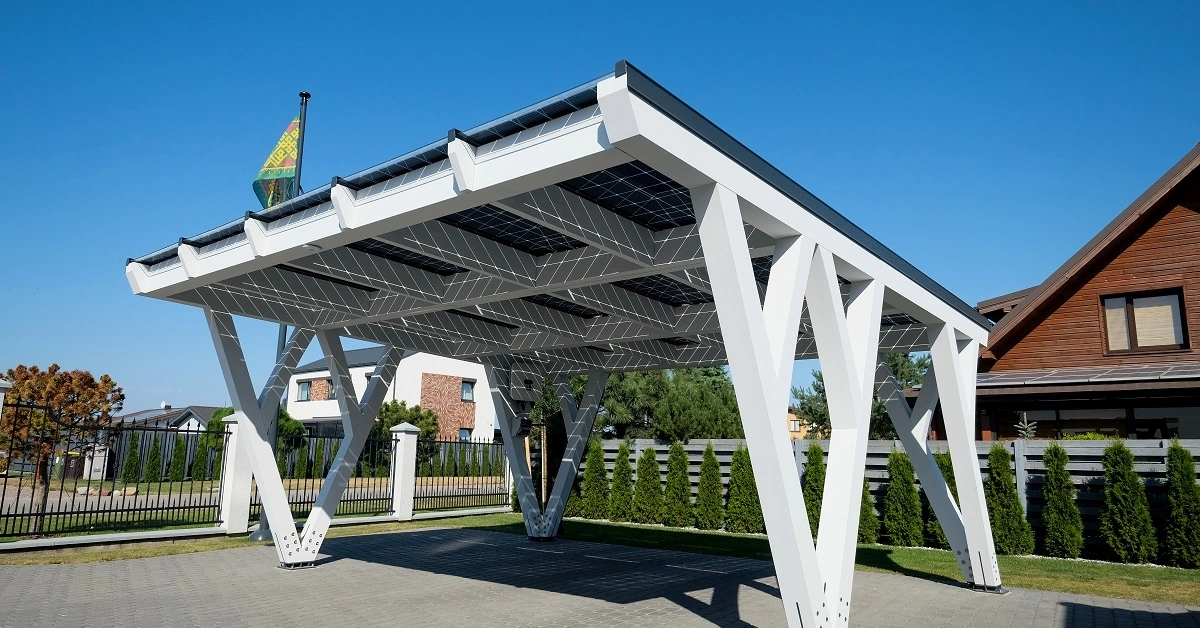
Some projects forgive mistakes. Carports do not. One wrong assumption about soil, one structural detail overlooked, one steel price swing between bid and build, one buried obstruction nobody flagged or knew about, and any one of those can wipe out a project’s margin. Together they can sink a company. Carports are one of the fastest growing and most misunderstood segments of commercial solar. Schools, hospitals, manufacturers, and municipalities all want covered parking that also generates power, and researchers peg the carport segment’s growth in the low double digits, outpacing a commercial market that set records in 2025 and that SEIA and Wood Mackenzie expect to grow about 12% a year from 2027 through 2030. The raw material is everywhere: surface parking covers more than 5% of all US urban land, a footprint larger than Rhode Island and Delaware combined, almost none of it earning its keep beyond storing cars. The opportunity is enormous, but only for EPCs and developers who understand how these projects behave.
That was the through-line of a recent Clean Power Hour panel I hosted with three people who build carports for a living: Kyle Sinclair, CEO of Sinclair Designs and Engineering (SDE); James Strizki of GenMounts; and Matt Boyce, principal engineer at Engineered Solutions and a licensed PE in 27 states. In a live poll, 58% of attendees had completed fewer than two carport projects. Sinclair’s warning: residential and rooftop installers are walking into a segment that is the opposite of high-volume, cookie-cutter work. A typical carport runs about half a megawatt, stands 25 feet tall, and swallows 100 cubic yards of concrete, roughly ten truckloads. This is heavy construction wearing a solar hat.
To read the full article, visit pv-magazine-usa.com.