How do you take a 365 kW commercial solar project from a customer conversation to steel in the ground?
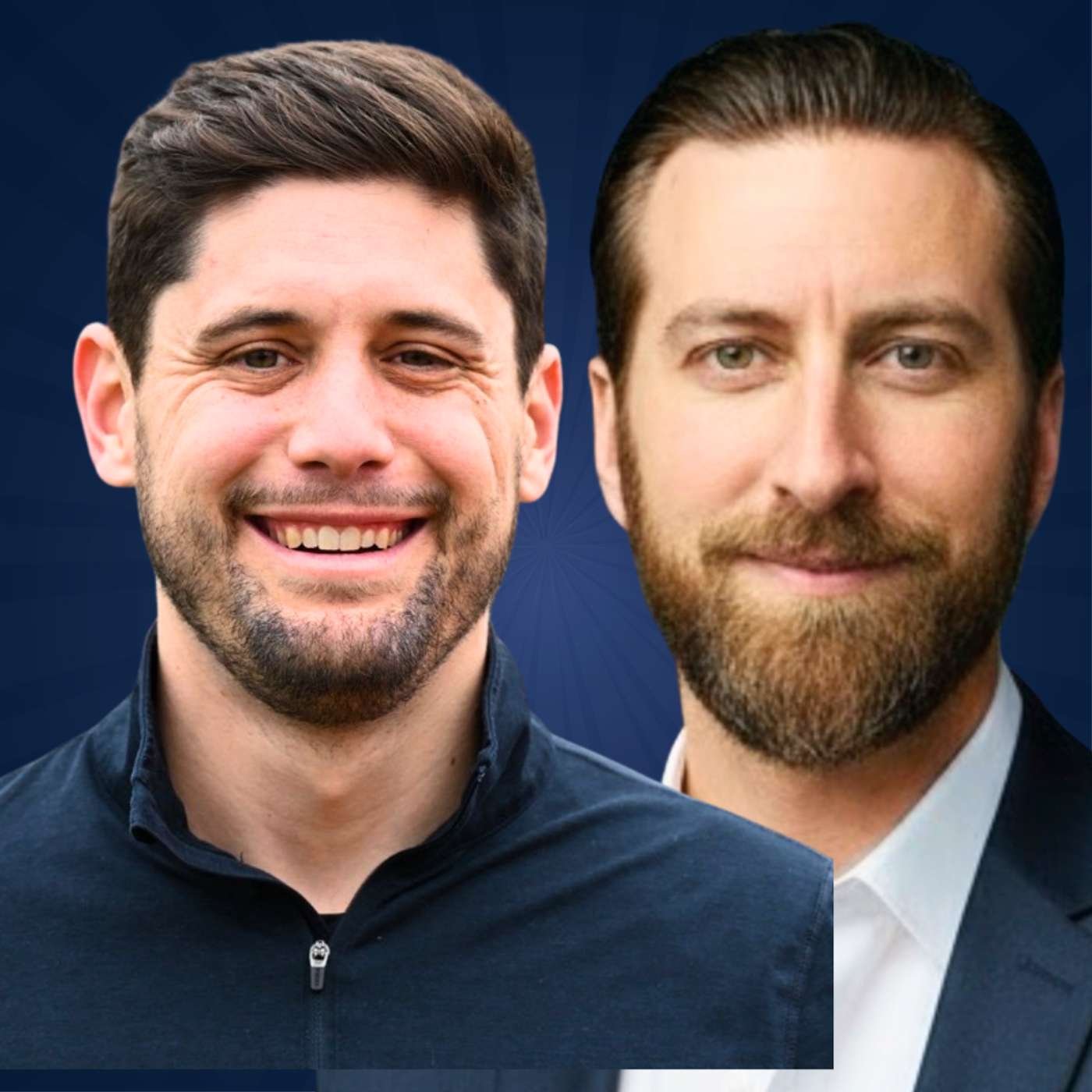
In this episode of the Clean Power Hour, Tim Montague goes behind the scenes of a 365 kW commercial solar project for Griffin Beverage in West Branch, Michigan, with Jordan Rhyne of Countryside Energy and Kyle Sinclair of Sinclair Designs & Engineering.
The project brought together domestic-content solar modules, custom racking engineering, structural analysis, field installation lessons, and a challenging interconnection process with Consumers Energy.
Jordan and Kyle walk through what it took to make the project work, including why the customer wanted a truly domestic solar system, how First Solar Series 7 modules changed the racking design, and what the team learned from taking the system from engineering drawings into the field.
In this episode, you’ll learn:
• How Countryside Energy identified Griffin Beverage as a strong commercial solar customer
• Why the customer prioritized a truly domestically sourced solar array
• How First Solar Series 7 modules created unique racking and engineering challenges
• Why the racking team developed a purpose-built bracket and clip connection
• How structural analysis and FEA helped validate the module-to-racking connection
• What installers need to consider when working with frameless thin-film modules
• Lessons from module handling, breakage, installation speed, and field tolerances
• What EPCs should know before taking on their first First Solar Series 7 project
The 365 kW system was designed to offset 110% of the facility’s load, the maximum allowed by Consumers Energy for the project. The team also had to coordinate an upgrade of the site’s service transformer from 250 kVA to 500 kVA before the system could be energized.
Connect with Guests
Jordan Rhyne | LinkedIn
Kyle Sinclair | LinkedIn
Learn more about Sinclair Designs & Engineering:
https://www.sinclair-designs.com/
Learn more about Countryside Energy:
https://countryside-energy.com/
Connect with Tim
Clean Power Hour
Clean Power Hour on YouTube
Tim on Twitter
Tim on LinkedIn
Email tim@cleanpowerhour.com
Review Clean Power Hour on Apple Podcasts
The Clean Power Hour is produced by the Clean Power Consulting Group and created by Tim Montague. Contact us by email: CleanPowerHour@gmail.com
Corporate sponsors who share our mission to speed the energy transition are invited to check out https://www.cleanpowerhour.com/support/
The Clean Power Hour is brought to you by CPS America, maker of North America’s number one 3-phase string inverter, with over 6GW shipped in the US. With a focus on commercial and utility-scale solar and energy storage, the company partners with customers to provide unparalleled performance and service. The CPS America product lineup includes 3-phase string inverters from 25kW to 275kW, exceptional data communication and controls, and energy storage solutions designed for seamless integration with CPS America systems. Learn more at http://www.chintpowersystems.com
0:50
It wasn't just the cost; it was the fact that it felt like there was nothing you could do, right? Like you know, you're you're dealing with a regulated monopoly, and if they're getting approvals to increase rates, you have very few options as a business owner to address energy costs. He actually wanted every single major component to be domestically sourced, even if it, you know, we we kind of blew the required percentage out of the water,
Kyle Sinclair:
1:11
so there's a lot of layers in between that process that was very challenging, but also fun, you know, for our team to manage.
Tim Montague:
1:20
Join clean energy leaders from across Illinois at the 2026 Illinois Renewable Energy Conference, October 19 and 20, in Bloomington Normal. Explore the policies, technologies, and partnerships shaping Illinois's energy future, with sessions covering solar storage, grid resiliency, workforce development, and more. I'll be there both days and look forward to connecting with you. Register today at IllinoisRenewableEnergyConference.org. The
intro:
1:52
clean energy industry is moving fast. The deals are getting bigger. The technology is evolving, and the stakes have never been higher. Welcome to the Clean Power Hour, the podcast for solar, storage, and microgrid professionals who want to stay ahead of it all. Each week, your host Tim Montague, industry advisor and president of Clean Power Consulting Group, brings you unfiltered conversations with the leaders actually building the energy transition. Now, here's your host, Tim Montague.
Tim Montague:
2:26
This is a solar module built for utility-scale power plants, frameless, two sheets of glass, made to ride on trackers across hundreds of acres or 1000s. On this project, it landed behind a beverage distributor in West Branch, Michigan, 365 kilowatts, fixed tilt ground mount. There was
just one problem:
2:48
almost nobody makes racking to hold it at this size. Welcome to the Clean Power Hour. I'm Tim Montague. Today, how a developer chasing true American-made content and an engineer willing to build something new put First Solar Series Seven on a commercial project most of the industry wouldn't touch. My guests built it. Let's meet them. We have Jordan Rhyne, managing director of Countryside Energy, who is the project developer.
Jordan Rhyne:
3:21
Thanks, Tim. Yeah, I'm Jordan Rhyne. I'm the managing director of Countryside Energy. Helped start this company a little more than two years ago now. Prior to that, worked on Tesla's supercharger team. This was a really cool project for a lot of different reasons. Excited to kind of get into more of
Tim Montague:
3:37
it. And Kyle Sinclair, CEO of Sinclair Designs and Engineering, the racking OEM for the project.
Kyle Sinclair:
3:44
Yep, I'm Kyle Sinclair, CEO and co-founder of Sinclair Designs and Engineering. We are a vertically integrated engineering firm and racking manufacturer located in Albion, Michigan, and now Marshall, Michigan, with a new facility add-on.
Tim Montague:
4:04
The Clean Power Hour is brought to you by SDE Sinclair Designs and Engineering, fixed tilt and carport racking design engineering. permitting, and manufacturing all under one roof in Michigan. No outside vendors, no waiting in someone else's queue, just fast turnaround and steel that ships when you need it. Ask Ag Energy Co. in Illinois or Sunrise Solar in the Mid-Atlantic. They'll tell you what it's like to work with the Sinclair team, SDE everything in house. Visit Sinclair designs.com. Excellent. Well, let's jump into this project. Jordan, how did you end up getting to know Griffin Beverage, and why is West Branch a good area to develop commercial industrial solar in?
Jordan Rhyne:
4:58
Yeah, that's a good question. We learned a lot really fast about Michigan. We have an office in Detroit, and there are a few things that led us to reaching out. The first thing I'll just highlight is like this is a customer we cold called. We actually were driving around in the area, had a meeting with another customer towards the end of the day, and yeah, we'd been kind of thinking about how to get into the market, how to get into solar. It's a technology I'm passionate about. You know, have have panels on the roof, have helped some other friends and family go solar, and I was realizing this could be a good business opportunity. Beverage distributors in general can be a good fit for solar. You know their load profile often includes a lot of refrigeration and HVAC usage, and typically you know peaks in the summer, same time that your solar production rises, and is typically less, especially in Michigan where it's quite cold in the winter. They really don't have as much electrical load going on. So that load profile is ideal, and then if anybody else on the call is familiar with Michigan's utility market, there's two major you know investor-owned utilities, both of which have some of the highest rates anywhere in the Midwest. So, so Michigan's kind of leading the charge, unfortunately, in utility rates, especially for these kind of mid-sized commercial customers. So, in terms of financials, some of these customers, including this one, are paying you know 15 to 20 cents even more with some recent rate increases. So, Solar does pencil well in Michigan, even though it's a fairly you know northern state.
Tim Montague:
6:27
And tell us a little bit more about the project economics. What ends up getting built is what pencils best, and you can have the best solar project in the world, but if it doesn't pencil well, it's not going to happen.
Jordan Rhyne:
6:40
Yeah, that that's certainly true. I mean, the economics mattered a lot to this customer. It's interesting, you know. I encourage anytime somebody talks about selling a product, whether it's solar or anything else, like really ask ask questions of your customers and make sure you listen, because this this customer turns out you know we didn't find this out on our first visit. We found out on our second visit had a solar array on a property he owned, a residential property, didn't have a great experience, but liked the technology and was a believer. Wanted it to pencil, but really the feeling of control, like like you know, there've been rate increases in consumers' energy territory. I think annually for the past seven years, you know, which is unprecedented, and that's happening in a lot of the country. So, like many people, like it wasn't just the cost; it was the fact that it felt like there was nothing you could do, right? Like you know, you're you're dealing with a regulated monopoly, and if they're getting approvals to increase rates, you have very few options as a business owner to address energy costs. So this was a way to take back control. And lastly, like a lot of you know business owners, very proud of the business. You know they they're big source of employment across Michigan. They have five or six locations, and we're really he was very excited about the opportunity to have a domestically sourced array, so that not only obviously had the benefit of a potential tax credit adder, it was also like a talking point in the community. This is a rural area; people are still skeptical of solar. You know, there's a lot of solar development happening at a utility scale that can be contentious. I think everybody's probably heard about giant solar projects coming and going because of you know they can't get local zoning boards to agree. So, and you know he was ready for some of that backlash too, and was anticipating that, and wanted to be able to show that you can have a renewable domestic energy source, like it didn't have to be this politicized, politicized infrastructure.
Tim Montague:
8:25
And you did end up kind of leaning into the domestic content aspect, right, with Sinclair there in Michigan, and you used Series Seven solar modules and Selectria inverters. Tell us a little bit about your procurement strategy.
Jordan Rhyne:
8:44
Yeah, I mean, again, we we're kind of a collaborative developer, so we you know we give a lot of information to our customers and help them understand different price points and different needs, and like it was, it was abundant. It was apparent pretty quickly that the customer was most interested in like having a truly domestic system. Like again, if you dive into the tax code, you know there's a way to meet the domestic content tax credit standards. You know you can meet it by point 1% and get your bonus tax credit, and and do it as affordably as possible with lower cost components, but like he actually wanted every single major component to be domestically sourced, even if it, you know, we we kind of blew the required percentage out of the water. Yeah, so so that was important. It meant the project overall cost a little more, but again, like it aligned with his goals and also means you know I think it's a kind of a rare example of where truly every single major component of this array is domestically sourced.
Tim Montague:
9:35
Here's why that was hard. American solar module factories have scaled fast. Capacity went from around eight gigawatts a few years ago to roughly 70 today, but the supply chain isn't finished. The country still makes only about three gigawatts of solar cells, so made in America is a spectrum. Final assembly is one thing; every major component, truly domestic, is another.
Jordan Rhyne:
10:00
One of the challenges with sourcing a domestic content solar module for solar is a great potential source of that, but they're not commonly distributed or sold for a CNI level project, they're typically used at utility scale. And one of the the biggest issues we found quickly was figuring out engineering and then racking. Actually, because most of the time these are installed on single access trackers, you know, moving trackers, and that didn't really make sense for a project of this scale. And then there are actually very few, if any, options we could find that were both domestic and readily available to meet that need. So that was it. Was really incredible to to start working with Kyle. You know they're based in Michigan. Five has a chance to go visit his facility. It's awesome. He was generous from the first day we reached out and invited us in, and then like engineered a new. You know, a new type of racking, basically, to accommodate this module type, which really unlocked the whole project. Like without without that, I think we would have been stuck probably for a few more months in dealing with partners who mostly only want to look at utility scale projects. And you know, this is a big project for us. It might not be for some of those bigger names in the racking industry. And so Kyle, like being willing to grow and work with us and kind of unlock this new segment was huge. So that that was a really nice piece of the puzzle that fell into place.
Tim Montague:
11:19
Yeah, we're gonna we're gonna take a deep dive on some of the unique aspects of this project with Kyle Sinclair. I will note that we just dropped a factory tour. It's only on YouTube's, but check out our YouTube channel. You can find that at cleanpowerhour.com, or just search Clean Power Hour at YouTube. It's about a 18-minute-long video, but you'll get a very good flavor for what Kyle and company are up to there in Albion, Michigan, making fixed-tilt ground mount racking and carport structures. So, Kyle, welcome to the webinar, and let's start with what was different about engineering a racking solution for the first Solar Series Seven, which is a thin film module made in Ohio.
Kyle Sinclair:
12:06
Yeah, you know, as Jordan mentioned, the Series Seven is mainly designed around trackers, so the racking must adapt to the module rather than the other way around. You know, unlike most modules, this one has no perimeter frame, so the panel has two roll-form steel rails with slots as the only attachment points in the sidewalls, which is very unique. So there's no clamping, there's no direct bolt options to the main structure, there's no compression on the Omco side rails that's allowed, and this panel requires a little more open space that's needed between the glass. So those are those are the main variables that we had to design around.
Tim Montague:
12:58
Was this your first Series Seven project, Kyle? It
Kyle Sinclair:
13:01
was. It was. We've done a lot of Series Six systems with both ground mounts and carports, and you know I was familiar with the FT ones and the TR one frames from First Solar that were hitting the market earlier this year, but we we don't really see them pop up, you know, in the CNI space. But I do believe that there's going to be a big trend where you will see a lot more of these, and we're seeing it with a couple other EPCs that are developing projects in that one to 10 megawatt fixed tilt range, where the availability on the TR ones is good, the price point is good, and First Solar's output and how much of these panels that they can produce at scale over the next one to two year window is likely going to help keep the domestic content panel prices down significantly for them. So, so I believe that we're we're kind of in the early stages of that trend, and it was important to me that when we saw the opportunity from Jordan, that my team you know, designed a solution that would not only work for Jordan but also work for that long-term trend.
Tim Montague:
14:18
So, what had to change from a more conventional framed module design?
Kyle Sinclair:
14:24
Well, the clamp and rail system is replaced by a purpose-built bracket and clip connection, and the rest of the structure has to be designed and follow that format. So, if you, for those who aren't familiar with the first series seven, I highly recommend downloading the TR1 user guide and actually going through that. I think it's page 14 through 18 of that user guide that really calls out all the variables in the racking requirements to meet all the specifications from First Solar, and the user guide calls out you know an additional bracket and an F s7 wedge clip, which isn't offered by First Solar, and in fact, that was one thing we asked the module provider for. You know, is and I remember calling Jordan or at least someone on Jordan's team and just being like, "Hey, I'm just double checking. Do you guys have these FS7 clips? Do those go with the panel to the site? So not working with them, we we weren't sure what to expect, and the answers came back pretty crystal clear and quick. That no, we don't provide those. And so when we asked who does, they said, "Oh, the racking manufacturers do. So like, okay, I guess that's uh that's on my list of things to tool up for that week. So the. Frameless panels, you know, are really designed for trackers, and we we had to come up with a solution that met those requirements from the user guide that hit the deployment timeline that Jordan needed, and within that range, we had to offer new designs to FEA analysis tool up for it, so there's a lot of layers in between that process that was very challenging, but also fun, you know, for our team to manage.
Tim Montague:
16:23
And what is your recollection of how how the project design evolved from concept to final solution?
Kyle Sinclair:
16:31
We had several revisions, you know. So I think what was deployed to the site was revision four or five at that timeline, and and really what it came down to is sometimes there's disconnects between engineering, manufacturing, tooling, and quality control. There's a lot of inner layers there that have to come together to be realistic on outcomes and tolerances, and and so you know our original design with was with long brackets to be able to connect at multiple locations to give the installers more versatility in the field and more tolerances, but what was actually produced and shipped to meet the schedule was based on the installers' feedback. So on this job in particular, the brackets had to be installed to the the modules as they were coming out of the pallet, so the the installers would pull the module out, they would pre-install the brackets, and then they would set and mount to the racking, which took out a lot of steps that the installers didn't like about other design systems with that module frame.
Tim Montague:
18:44
Interesting. What needed to be validated structurally before the team was comfortable moving forward?
Kyle Sinclair:
18:52
You know the module capacity, and not so much on the steel side, but the module capacity sets the limits. So the validation focused on the connection and how load gets transferred to the mounting brackets and Z purlins. So the site loads, you know, versus the module rating has to be validated. And we worked really closely with CPP Wind Engineering and consultants who provided both static and dynamic structural analysis with our designs, you know. And just quick shout out to Alyssa and Fahad because working with them was was a great experience. They were very responsive, and they they brought a lot of extra knowledge to the table that helped us with our preliminary designs that got us to the revision that was approved to go direct to site, the also the bracket and clip connection, you know that's where mainly the FEA is required. So checking that load bearing at the slot locations, the clip retention under uplift and snow load, and any bending from unbalanced loads, those were the critical parts. Plus the what's the purlin behavior with a bracket attachment? What's the deflection, rotation, any movement that that could impact the modules moving and modules, you know, glass to glass contact points. So a lot of that FEA shapes the the design. That way, we know going into the field that we have all the tolerances needed for the installers, and we meet the specs outlined in that guideline.
Tim Montague:
20:38
Let's talk about the installation. What we understand between between the two of you, when you guys think about installing the Series Seven in the field, you already mentioned Kyle adding that bracket as the module comes out of the pallet. What else is unique about working with Series Seven module?
Kyle Sinclair:
20:59
Well, there's one particular piece that when you talk to EPCs who install that module on fixed tilt racking, there is a specific wedge that gets wedged between the Omco rails and the brackets, and that's the biggest negative feedback that you get from the installers is that the guys on the field are having to hammer in wedges, and they're ax. It's so close to the panel frame that they're accidentally hitting the glass with a hammer, and they're shattering the frameless panel. So when you look at you know a job of this size. And how costly that could be, you know, from those mistakes, that adds up quick. And so, you know, it's it's important that I think in the the preliminary side that one we're taking that feedback from groups that have had those bad experiences with other racking manufacturers, and we're implementing that into the design up front to take that out of the equation. Our our biggest goal was to focus on the installers and not so much on the rack and give them options. Well, hey, you know, you can either pre-install the brackets on the racking system and then you have to slide the panels into place, and then install the hardware in those tight spaces. Or our design option two will allow you to pull those modules out of the pallets, pre-install the brackets, and then just drop it into place for the direct bolt and UL requirement hardware. So that was the biggest feedback that we got from the installers that we believe is is going to make future projects better. You
Tim Montague:
22:52
have to take some special precautions, just unpacking the modules. Right, they're just a little more delicate because they don't have a metal frame. That if you do something slightly wrong when you're unpacking that pallet, and the pallet, you know, comes unbundled in an unpredictable way, accidents will happen. So breakage is is a real is a bigger concern with the frameless module. Jordan, what
Kyle Sinclair:
23:24
I will say one more thing, Tim. Though I was super impressed by the palettes and the way First Solar designed them for quick panel releases and all of the foam interior and how they push the mods, you know, face to face with really good concentrated load points. When you think about you know transferring these and moving these, and especially in the bigger volumes, I mean they they did a really good job designing those pallets to reduce breakage during freight and offload.
Tim Montague:
23:58
Yeah, I don't doubt that there's been many lessons over the years for them to learn how to pack them very securely, Jordan, what's on your mind about the installation?
Jordan Rhyne:
24:09
Yeah, I mean, overall, I think it was important that we found a contractor to begin with who had some some members of their team already had worked with you know these thin film modules from First Solar. So this this contractor, Peninsula Solar does residential and commercial mostly, but a couple of their guys cut their teeth in the utility industry. So, like several of the people who were on site and managing material and deliveries had already gone through this process. Maybe not with the the first Series Seven, but with others, you know, glass modules from them. We did have some breakage, but I think you know on roughly 700 700 modules. I think 10 to 12 were broken, which is not so different. I think than a typical installation. So the team did a good job. The only other thing I'll say that was a little
tricky:
24:54
we we switched engineers about halfway through this project, and nothing against our previous group, but they just they weren't able to kind of provide the wiring harness design and some of the other more unique characteristics that these modules require. That the solutions they were putting forward just in terms of constructability weren't ideal, so we ended up finding a new provider who who had more experience. So again, you know, most most people that are experienced in the solar industry, whether they're installers or engineers, probably have come across these projects before, but just making sure you find somebody who really is up to date and understands, you know, some of the other pieces that go, you know, they're much higher voltage modules. Not not every string inverter off the shelf is compatible, so just being able to like speak confidently about that, and also, you know, every site's still unique, so take take this you know somewhat unique module and apply it to this particular site. The
Tim Montague:
25:49
Clean Power Hour is brought to you by CPS America, maker of North America's number one three-phase string inverter, with over 10 gigawatts shipped in the U.S. The CPS product lineup includes string inverters ranging from 25 kW to 350 kW. Their flagship inverter, the CPS 350 kW, is designed to work with solar plants ranging from 2 megawatts to 2 gigawatts. CPS is the world's most bankable inverter brand and is America's number one choice for solar plants. Now offering solutions for commercial, utility, ESS, and balance of system requirements. Go to chintowersystems.com or call 855-584-7168 to find out more. What advice do you have? Or feedback for EPCs who are doing their first Series Seven project.
Jordan Rhyne:
26:48
I think getting familiar with the product as best you can. Like one thing that Kyle did that from the beginning, like set the tone on the right foot, was like he made sure, like he requested for me, and I helped make the connection. Like we got a a pallet of first seven or of series seven modules shipped to his facility, like as soon as our contract was signed, so like get getting your hand on the product. Like if you're serious about using these modules at scale and doing a good job, like I I think having a hands-on approach can help a lot. And again, having somebody like Kyle who's super experienced in the industry and has built all sorts of racking and can tool in house and and design their own equipment was hugely valuable.
Kyle Sinclair:
27:29
Yeah, and and getting those in, you know, really helped us. You know, there's there's a reason there were so many revisions, right? And and a big part of that was actually getting hands on it, getting it installed in the rack, and you know, the first thing we observed internally with the prototype build was I didn't like the original tolerances that we had in the design for topography. So normally we have, you know, plus or minus seven and a half degrees is kind of what we're we're comfortable with with grade variance, and so when we pushed our posts to those maximum limits, and we watched you know what the mods were forced to do when they parallelogram if everything's not square and perfect to the world, I didn't like how close those corners would get to each other. So that was a big first step. Was hey we need to increase the progression of these and design the purlin progression to allow for more open air and space between these panels because the last thing you want is you know a heavy wind load hitting that and things wanting to flex and move and corners catch and all of a sudden you have a ton of broken glass on the field, so you know it's it's one thing to design a system and to look at everything in SolidWorks, but once you actually get your hands on it and you see the real world exposure, it can change that stuff really quick.
Tim Montague:
28:57
Are there other field lessons that you're aware of from Peninsula Solar working with Series Seven or any other unique aspects of the project from the field.
Jordan Rhyne:
29:09
Yeah, I think I think again, just handling a heavier module and making sure they had like a good plan in place. I think they needed maybe one extra person, kind of as they were physically getting the modules up and mounted onto the the racking. But yeah, it's a shame I can't be here because I know they would probably have some other other feedback. But overall, I'd say it maybe added probably an extra working week for them. I think they they went went a little slower with it just being product that their crew was not as familiar with. Didn't change seem to change their pricing a whole lot for installation, but I think they did a good job just kind of being meticulous and you move a little slower when the modules are 1020, pounds heavier each.
Tim Montague:
29:46
Yeah, according to Perplexity, the module is around 85 pounds. Does that sound accurate?
Jordan Rhyne:
29:54
Yeah, I'd have to pull up the spec sheet. I didn't know if they're quite that heavy, but yeah, they're they're certain. You know, two big sheets of glass weighs a lot. Yeah,
Tim Montague:
30:02
I guess Jordan, maybe you could talk about sourcing the Series Seven. You are able to source Series Seven through distribution, right?
Jordan Rhyne:
30:11
Yeah, yeah. There, I think there are a few. I I don't know the official term or what First Solar would call them, but yes, Connect is the one I mentioned. K I N E C T, and then there I think a couple others that now have either an official or semi official direct relationship with them, so yeah, we we we looked at Series Six and Series Seven. I think it was really an availability issue at the time because again, they they don't have quite the same as as full true stocking. I think they're kind of picking up pallets or or picking up modules that maybe were stranded on on projects that didn't go through at the utility scale and making them available. So pricing was really good on the Series Seven at the time. I haven't looked recently to see if that changed, but yeah, compared to sourcing like a you know true domestic silicon-based module, the cost was roughly half when we were able to procure these modules. So that was that was a you know an advantage. Again, the customer's main priority was not necessarily to have the most affordable array, but it was it basically allowed us to scale up the project a little bit within their budget and deliver more power. So that was that was important. And then just one last kind of side thought for anybody who has not designed with these modules before is that they they offer similar power classes to like a lot of traditional commercial modules in the you know four to 600 to 650 watt range. Even now, I think for some of their newer product, they are just physically larger. You know, they're not as energy dense as a silicon module. So when we um we initially put our first site sketch in front of the customer, you know you know a year and a half ago before we had decided on this module, you know we showed kind of our traditional. Layout and that was you know this much area and then when we sent the final construction drawing package you know six months later after we'd made this decision we had to go back to the customer be like oh yeah your the area for the ray is actually 33% larger than we we had initially discussed so that was just something we probably should have worked through sooner with the customer yeah there's plenty of space on site. It did not become an issue, but just a good thing if you're used to mostly designing with kind of traditional modules. It's one other thing you want to make sure you're discussing with your customers.
Tim Montague:
32:14
And so, does this 365 kW rate offset 100 of the facility's load?
Jordan Rhyne:
32:20
It does. It does. Yeah. So it's designed to actually offset 110, which is the max that Consumers Energy allowed. So this didn't have as much to do with the the modules. We did actually have to help the customer upgrade their service transformer. They had a 250 kVA transformer, and Consumers Energy came back and required an upgrade to 500 kVA. So we coordinated an outage and got that work done. And there's a little bit of expense involved in that, but that was important again important to the customers. Like if I'm going to do this project, I'm going for the full amount. You know, they expect their usage to increase over time as their business grows. So this is this is as much as consumers' energy will allow a customer to interconnect.
Tim Montague:
32:59
Yeah, there's kind of a cascading interactions. If you can, if you can zero in on what module you're using, that's going to help solidify a lot of the other aspects of the project. But it's not unusual that the module will change. Kyle, do you have any comments about the, I guess the overall development process? I know it was it was your first series seven, so you had to design a custom clip. But yeah, I'm just curious from a from a design and engineering perspective, what other challenges did you overcome during the process?
Kyle Sinclair:
33:40
You know, the one of the more important parts of the design is for the UL, and it can be very difficult to achieve, you know, a UL listing on a new panel in a quick time frame. Most of the listing agents you can plan on six to nine month windows to get that formally listed and inaccurate, so you know we had to go through a few different revisions with different hardware and and serrated flanged bolts and nuts versus using star washers, and and so it was challenging to work with multiple entities. Where I'm working with CPP Wind on the you know design and FEA, and then I'm also working with the listing agent on the UL, trying to achieve you know one single outcome. So each group kind of has their pros and cons to all the decisions. So it's it's really you know if I could go back and do it over I would have dedicated more engineering power and more resources and I would have focused on streamlining communication between all parties involved things would have happened a lot faster but I would say that the UL listing is is one of the harder challenges to get through as a racking manufacturer,
Tim Montague:
35:05
you actually had to get certification though on this new design for the Series Seven.
Kyle Sinclair:
35:13
As a manufacturer of the assembly, yes, we need that assembly added, and we need to add the brackets and the wedges that we manufacture in house to our listing report,
Tim Montague:
35:26
so it's it's kind of a an addendum in a way. I mean, the Skyrack is not a new product, right? So you've been you've been going through UL testing, and it's it's a permutation of the of the Skyrack.
Kyle Sinclair:
35:40
Well, the big challenge is with the first solar. I mean, adding a standard module is no problem, you know. But the big challenge with first solar is that when you look at that Omco rail, that you're putting side load on with the wedges or with an attachment component at that point, and it clearly outlines in First Solar Seven's user guide that you cannot put any side load on those rails. That can make it difficult for grounding. So they have other attachment points for grounds, but there's no way to get hardware inside that rail. So you know, you I think a lot of the racking groups will see if they're looking at fixed tilt options that there's very minimal grounding components, you know, without having to weed panels and go through all the hard things. So our design, which I won't talk about too much detail, you know. Covers a lot of those solutions all in one one option in one role form component. So what's great about you know our manufacturing capabilities and our processing from the tooling side is that you know we looked at Jordan. If we ever do a new job, you know it will be different than this first one because we've we took some lessons learned from the original design, and we'll actually be producing much longer brackets with multiple panel attachment options and grounding options, just so it's it's much more user friendly to the EPCs who have different subcontracting. So I think what's great about Peninsula, right, is that they're handling the mechanical installation and the electrical. So this job was perfect, you know, scenario for them. But when we go to a different EPC who is just handling the mechanical installation and then high fives the electrical subcontractor who comes in on site at a later time. That's where things can get a little a little challenging because you know who's responsible for putting the brackets on the modules. You know a lot of those electrical guys just want to come in and they want to set the mods and they want to do the wiring and they want to be done with it. So now they're you're adding an extra step and more costly labor to them. So in future jobs, we want everything to be preset. That way, the modules can just be set and and complete in a timely fashion.
Tim Montague:
38:15
I want to talk about partnerships and how you selected the tim Jordan, but tell us a bit more about the timeline and the length of time it took to work with Consumers Energy,
Jordan Rhyne:
38:25
yeah, sure, happy to speak about that. I'd say, I mean, first conversations with the customer were probably almost two two years ago now, and you know, took maybe three to six months of back and forth and meeting and you know, finding times to to really move the project forward and get a contract signed with the customer. From there, we didn't have any specific to consumers any super long lead times. I would say they, you know, say what you will about big utilities, but they're they're pretty pretty heavily regulated, and you know they use a nice consolidated online portal for their interconnection requests, and it's fairly self serviceable. So we got through that process. And every time you submit a new document or whatever, they get five or 10 business days, depending on the submittal. The one the one risk this project had that could have kind of blown up in our face is that we did we did end up needing a transformer upgrade, and we spent a few months looking at active power management solutions that might you know, alleviate that requirement from consumers. And there are there are technical solutions out there that that consumers would accept, but it would have been a lot of review and back and forth. And ultimately, we we just decided the best path forward was to upgrade the transform the service transformer. We shared the cost with the customer. We split it because it was something that we probably should have had a better understanding of when we were proposing the max system size at the scale. And to consumers' credit, you know, everybody talks about transformer availability and how there's kind of a supply chain crunch there. But they, from the time we paid the deposit, I think they were on site within 30 to 45 days swapping out the transformer, so that's about as fast as stuff gets done in my experience with these larger utilities. So that that could have really slowed us down. You know, this the building the project, a lot of work went into it that especially Callis described. But if we didn't have the service transformer that consumers approved, we wouldn't have been able to energize the site, and you know we'd probably be sitting and waiting. So that was that was a little bit of a block, frankly. And would encourage you to yeah get your interconnection docs in super early for any of these projects to make sure you understand if upgrades might be required.
Tim Montague:
40:36
Yeah, and to that point, you know, you really want to know what equipment you're using when you file that interconnection application, if you can. And so that's you know just working backwards. Procurement is is very important. You really want to have a a content a domestic content strategy or whatever your strategy is. You want to have that ironed out and know who you're going to go to for equipment. And then the the transformer upgrade is one of the the few you know uncertainties in a CNI solar project. It's just you just don't know until you go through that interconnection study what upgrades the utility is going to ask for. The transformer is the most common upgrade that happens, and then sometimes they can even request that you upgrade the conductors, you know, on the pole, and that gets very costly. And there are ways around that. Okay, so if if you're dealing with interconnection challenges and you need creative engineering, reach out to me. I have a lot of connections and resources, and just kind of been there, done that. Ways like you can reduce the amount that the array injects to the grid, for example, using Switzer relays, a little known tactic in the U.S. market, really, because it's just so so early days. And then I'm curious, Jordan, did you guys consider specifying a battery on the project, and and where is solar and battery in the CNI space in Michigan?
Jordan Rhyne:
42:08
Yeah, it's a good question. the The tariff structure for this customer, they're just on a flat energy. You know, they're just paying per kilowatt hour. So we we did model storage. You know, it was a longer payback period, and the customer's main concern was basically, you know, having the they wanted a large array at a at a fairly specific budget, so we we showed some preliminary numbers and kind of quickly decided that just you know storage wasn't a priority. It's not an area that has outages very often, and there's no you know peak shaving or or you know demand charge reduction opportunity. So those are kind of the main things that that drive at least as far as I understand it, you know, CNI energy storage economics. So those weren't present. So we we moved on from that fairly quickly. I guess that's another way to maybe potentially reduce your um, yeah, how much you back feed a project. But and then
Tim Montague:
42:57
just just remind us from soup to nuts once you got the contract to when you completed like mechanical completion. What was the that period of time? Was it 12 months or?
Jordan Rhyne:
43:09
Yeah, it was probably a little less than a year. We we signed our subcontractor agreement with Peninsula in February of this year, and you know six seven months later, the the race complete. So and that's including some waiting around for the ground to thaw and the snow to melt in Michigan,
Tim Montague:
43:26
right, Kyle? You mentioned earlier that the communication between the different team members. You know, you've got you've got OEMs, you've got suppliers, you've got the EPC. There's there's you know there's a handful of parties with their fingers on those on these projects, what were some of the lessons learned from your perspective in terms of team communication, collaboration, and and Jordan, feel free to chime in as well.
Kyle Sinclair:
43:55
Yeah, I mean we learned some great things about you know our internal teams' capabilities, and we also identified some gaps in our workflow that have been addressed, you know, to make us better on future opportunities. I was very impressed by how fast our engineers, you know, reacted to a new product design with a quick deployment schedule. On Jordan's side, he has this sales cycle, you know, it's likely between nine and 16 month windows. You know, for all of the interconnection applications and build permit approvals, and on the racking side, oftentimes we don't. You know, we're kind of brought in in the the latter. You know, three week window of that, so our timelines are have to be really efficient and quick from manufacturing to product deployment. So, you know, when we reflected on that as a team, one thing that we realize is one, we really enjoy that part of the business of being innovative, designing tooling, you know, modifying designs for new solutions and new panels. Often, business can just feel routine and turnkey, and we're manufacturing the same stuff. And but you know, the hard part of that is actually executing those changes into our manufacturing and quality control process. So we found some gaps in communication in documentation that needed some updating and needed addressed following this this project. And engineers really like to overdesign parts that are difficult to make. You know, so from bringing all departments in engineering, tooling, manufacturing, quality control, to achieve realistic outcomes and real-world tolerances, you know, fixing those workflow issues will make us way more efficient in future unique opportunities.
Jordan Rhyne:
45:55
Yeah, and just to just add on to that, if it's not clear to anybody listening, like Kyle and team are really passionate about solar at every level. Like they they provide engineering support to people doing four kilowatt, you know, home residential arrays, and they they provide support for larger, you know, CNI projects like this, and then you know, getting more and more, I think, into the utility world. So, yeah, it was fun to see that happen, and like we didn't get full glimpses into what was going on behind the scenes with the design, and I think that's to Kyle's credit. Like, we kind of like we kind of gave it to Kyle. He's like, we want to do this. We'll make this work. And then like we just got slip sheets to put into our drawing sets, and like it wasn't very different from using an off-the-shelf part for us. And it's really cool, actually. You know, I hadn't hadn't heard about some of the other things that go into designing new product that Kyle has shared today. That's that's like really cool to hear about. Real Real America. Engineering with short lead times is exactly the kind of stuff I think everybody gets excited about these days. Yeah, I mean, one thing I'll just say is, if anyone has the chance to visit, you know, reach out to Kyle or I if you're in the area and want to see it. I think the owner would be open to that, and it's it's really an impressive looking array. Like you know, the monoposs racking that Kyle designs, and then the frameless module, like it, it is a visually very attractive look, and it looks different than your kind of traditional silicon-based module with frames, and you know, being able to see see some of the interior active material, it's pretty cool.
Tim Montague:
47:16
Yeah, hopefully we're we're doing a shoot at the project next week, so we will be making a video about this project. The Clean Power Hour is brought to you by SDE Sinclair Designs and Engineering, fixed tilt and carport racking design, engineering, permitting, and manufacturing all under one roof in Michigan. No outside vendors, no waiting in someone else's queue, just fast turn around and steal that ships when you need it. Ask Ag Energy Co. in Illinois or Sunrise Solar in the Mid-Atlantic. They'll tell you what it's like to work with the Sinclair team. SDE Everything in-house. Visit Sinclair-Designs.com. Where can our attendees and listeners find you, Kyle and Jordan?
Kyle Sinclair:
48:08
Yep, they can find us at Sinclair-Designs.com. I also always recommend checking out our YouTube channel. Just search for Sinclair Designs and Engineering or Kyle Sinclair, and you'll easily find our page. We have a lot of good installation overview videos and CAD videos that show you know hardware connection details and and torque specs and all the components and how they go together. So you can learn a lot about our company and our our products and our team with some of the videos that we've got to do with Tim here recently from our our website and our YouTube channel,
Jordan Rhyne:
48:49
you can find us at countryside-energy.com. Active on LinkedIn too. You're welcome to add or send a message there. And yeah, we love supporting solar projects either as consultants or, in this case, as basically the EPC. So if you want to learn more about using any of this, you know what we learned. Basically, we're happy to share and support however we can. So, hope to hear from some of you. One
Tim Montague: project:
49:12
a frameless module off a utility playbook on a commercial site with racking engineered from scratch in Michigan. It took several revisions: a custom clip, a UL listing, and a service transformer upgrade to get there. That's what real domestic content looks like right now. Not a checkbox, a build. If this trend holds, the next one gets easier. That's usually how it goes. You'll find all our content at CleanPowerHour.com. Tell a friend about the show. That's the best thing you can do to help others find this content. I'm Tim Montague. Let's grow solar and storage.